


The hidden emergency: mouth cancer and COVID-19
NewsPosted by: Dental Design 14th August 2020
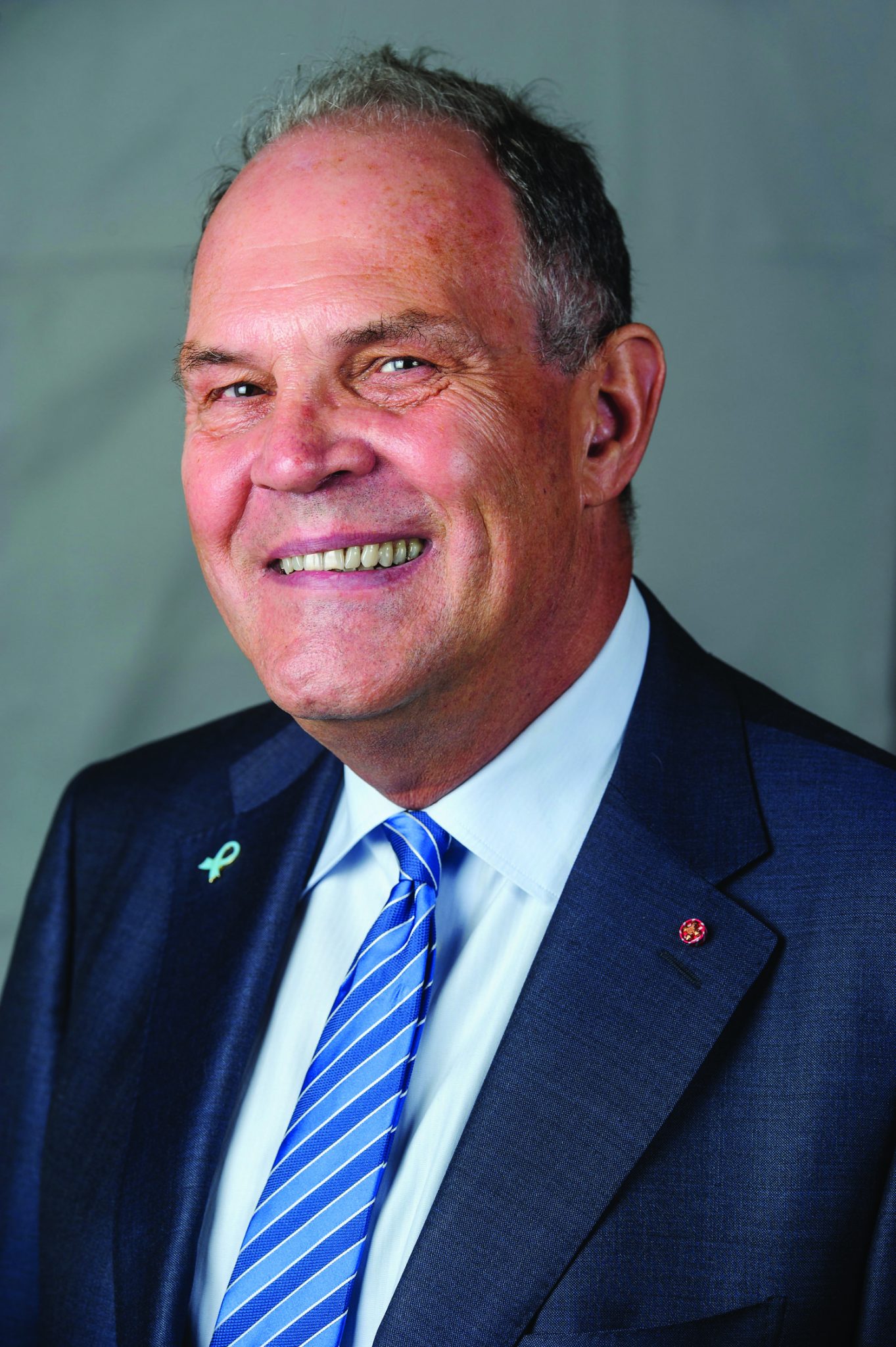
Dr Nigel Carter OBE, Chief Executive of the Oral Health Foundation
The impact of coronavirus on the dental profession and patients has been well documented over the last few months. Temporary practice closures, alongside a cut in routine visits, has left many practices financially unsupported while significantly less patients have been able to access the care they need.
Since given the green light to reopen, the response from dental professionals has been fantastic, with practices across the UK working remarkably hard to adapt and make the changes needed to open their doors. While the commitment to patients sheds a shining light on the industry as a whole, it is clear that normality regarding a complete return to dentistry seems quite far away.
With this in mind, there is one issue that the Oral Health Foundation is extremely concerned about. And that is mouth cancer.
Mouth cancer and falling referrals
Last year in the UK, more than 8,300 people were diagnosed with mouth cancer. This has increased by 49% in the last decade and 135% over the last 20 years. Mouth cancer is one of very few cancers where we are seeing an increase in the number of cases, while survival rates for the disease have barely improved over the last generation.
Most cases of mouth cancer are spotted during dental check-ups, which have severely diminished during the pandemic. In fact, I have spoken to one university whose referrals have fallen by as much as 90%. It is fair to assume this could represent what’s happening throughout the UK.
When we look at the rates of positive cancer verdicts, it means this one university has been unable to diagnose 15-20 patients with mouth cancer since the start of the pandemic. Across the UK, this could translate to up to 2,000 people walking on the streets, unaware that they have cancer.
This is a desperately sad scenario and one that requires an urgent course of action.
The challenges
Visually examining a patient for mouth cancer has become a key part of a routine examination and a successful diagnosis at an early stage not only improves a patient’s chances of survival but also increases their quality of life.
It is essential that those who are more at risk of mouth cancer have some priority on patient lists. Those at higher risk of mouth cancer include the over 40s, men, and those who smoke and drink to excess. As a profession, we must do all we can to address falling referral rates and make sure nobody is living with undiagnosed mouth cancer.
While dental services remain disrupted, patient education must continue. Raising awareness about the risk factors and signs and symptoms of mouth cancer to encourage more people to perform self-examination.
It is important that we continue to reassure patients that dental practices are safe places and they need to take immediate action if they recognise anything unusual in the mouth, head or neck.
Embracing digital
Many practices have adapted tremendously to digital technologies in wake of COVID-19 and these platforms will become even more important in the future. Patients and wider communities are relying more on these channels, especially regarding health updates.
While we cannot see as many patients as usual. mouth cancer messages should be communicated via email, social media, video consultation and telephone triage.
As a profession we should see this as an opportunity, not only to educate patients themselves, but reach out to local groups, nearby residential homes and workplaces – any community of people that are at higher risk of mouth cancer.
The hidden emergency
Spotting mouth cancer can be difficult for patients, especially in its early stages. It might not be as painful as a toothache and facial injury – or have visible signs like bleeding – the things many people would deem serious enough to ask for urgent treatment.
Mouth cancer is the hidden emergency that we all need to be aware of.
By seeing more patients who are considered at high risk, while also using new platforms to educate patients, we can return to referring more cases, have mouth cancer spotted at an early stage and giving patients the best chance of beating the disease and returning to a normal life.







