


Meet your learning objectives the right way
Featured Products Promotional FeaturesPosted by: Dental Design 13th November 2020
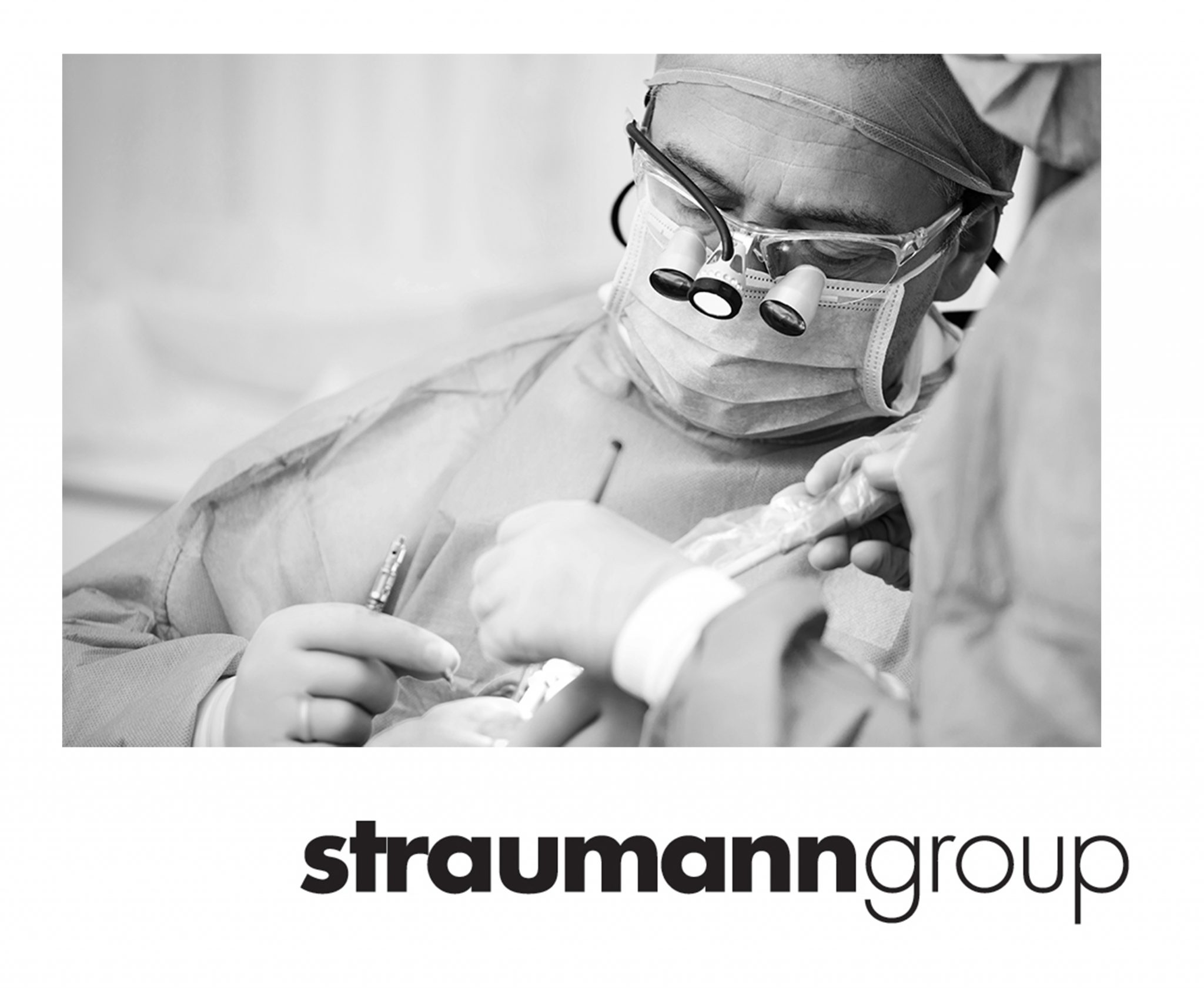
Continuous education is crucial in modern dentistry. It is the means by which all members of the professional team improve their knowledge and skills. It enables professionals to enhance the care they deliver to patients and gives them an opportunity to advance in their careers. Only with on-going development can dental professionals truly reach their full potential.
To get the very most from training, it is essential to plan your education according to your current experience levels, professional interests and career aspirations. It is also important to choose high-quality courses and to work with training providers you can trust to provide all the education and on-going support you need.
This is especially important for professionals operating in or looking to move into the field of dental implantology. Particular considerations should be applied to the format, type and length of the training undertaken in this discipline, as there are so many options out there. Also, the training pathway into implantology is not as well-defined by regulatory bodies as it is in other disciplines. This means that clinicians need to have confidence in the quality of training they undergo and trust that it has provided what they need to ensure their competency in practice.
It starts with an effective PDP
Before jumping into a new course, it’s important to determine your objectives of training – what exactly do you what to achieve? To know this, you need to understand what level your current skills are at and what you need to do to get to the next stage.
That’s where a Personal Development Plan (PDP) comes in. Not only is it a requirement for dental professionals, but it also enables individuals to make the very most of their training. It provides a chance for reflection and assessment of your existing capabilities and enables you to determine your strengths and weaknesses. Form there, you can identify areas in need of improvement and focus your training on these. This might involve refining your clinical techniques, incorporating cutting-edge technologies into your daily routines, or expanding your knowledge and skills into more advanced areas like guided surgery and immediate implant placement protocols.
As part of your PDP, you can not only decide what areas to look into, but also find appropriate courses and schedule the dates into your calendar. It gives you a carefully thought-out pathway to follow – although remaining flexible and adapting to opportunities as they present is still important.
Making the right selection
Choosing the right training courses is important for optimising your professional development. There are many programmes available, with many focusing on different aspects of dental implantology and catering to the needs of professionals with varying levels of previous experience in the field.
Here’s a checklist of sorts to support the decision-making process:
- Topics covered – are they relevant to my learning objectives? Are they presented at an appropriate level for my current experience?
- Course length – is this appropriate for the amount of information and skill development I am hoping to achieve? Can I realistically fit this into my current lifestyle, giving training all the time and attention it requires?
- Instructors – are they sufficiently qualified and experienced to deliver this training? What is their reputation in the industry for teaching?
- Patients – for implant placement training courses, do I have to find my own patients or are they provided? If the former, is this viable in my current practice(s)?
- Products – what implant systems and software will I be learning with? Are they up to industry standards?
- Support – what support and mentorship is available to me beyond the initial training? Are there accessible resources to make use of during or after the course to support me when back in practice?
- Recommendations and reviews – is there anyone I can speak to who has already taken the course to see what their experience was like?
While not exhaustive, this list should provide a guide to ensure you select the most suitable training course(s) for you.
 Trusted training partner
The other important feature to consider is the training provider you work with. Choosing an educational provider you trust to deliver quality training and industry-recognised qualifications (where relevant) is a must. Only then can you have complete confidence that your new skills and certification meet the requirements of the GDC and demonstrate your competency to provide whatever area of dental implant treatment you are offering.
The Straumann Group supports an array of training courses across the UK to help clinicians and their team members to refine and advance their skills in dental implantology. These include the Foundation in Implant Dentistry, presented by the International Team for Implantology (ITI), which provides a comprehensive introduction to the field with copious support and a globally-recognised teaching faculty. Find out more today!
For more information, please visit www.skill.straumann.com/en-GB/Home







