


Broadening treatment options by learning from each other
Featured Products Promotional FeaturesPosted by: Dental Design 15th October 2021
The sharing of information, best practice protocols and innovative ideas is a staple of modern dentistry. It enables teams to learn from each other, gain valuable insight from like-minded colleagues and discover new ways of doing things that could optimise the delivery of patient care. All of this promotes individual skill progression and the development of the profession as a whole.
In a field like dental implantology – where new techniques, products and technologies are constantly being explored – it is crucial that dental teams share their experiences. This communication can help to warn peers of potential complications, enable them to reduce the risks and, ultimately, achieve better treatment outcomes for their patients.
This is what the ADI Team Congress 2021 is all about. Entitled “The Great Debate: Current Dilemmas in Dental Implantology”, the educational programme will cover a diverse range of topics. Lectures will be presented by leading professionals from the UK and abroad, providing an opportunity for all members of the dental team to learn about cutting-edge and emerging treatment concepts. Different perspectives, ideas and experiences will be brought to the fore, altogether helping delegates to make informed decisions about the clinical procedures they utilise in their own practices.
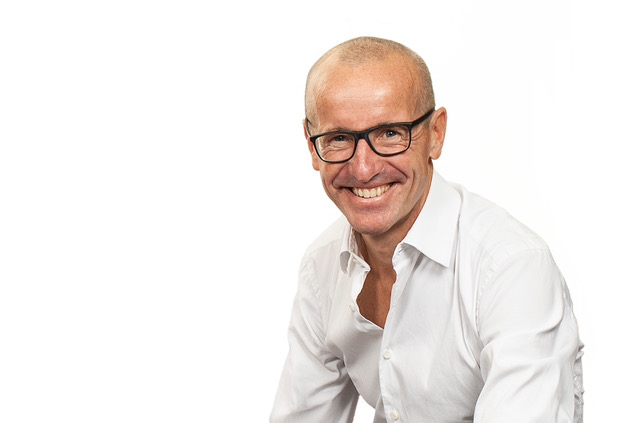
Among the highly anticipated speakers will be Dr Otto Zuhr, a Specialist Periodontist from Germany. He is currently an associate professor in the department of periodontics at Goethe University in Frankfurt, Germany, and has authored several scientific papers in the areas of periodontology and dental implants. Dr Zuhr utilises his more than 25 years of experience to lecture and teach colleagues globally. He will be sharing his expertise at the ADI Team Congress 2021 as part of the Plenary Programme in the session dedicated to “Correct of Soft Tissue Defects Around Dental Implants”.
Dr Zuhr will be presenting the case for a tunnel technique. He is keen to first highlight the differences between defects around natural teeth and dental implants as a way of realising the need for such a wide variety of treatment options. He says:
“When we compare management techniques of soft tissue defects around natural teeth and those around dental implants, the treatment concepts follow the same surgical principles. However, almost everything else is very different.
“Around natural teeth, we are usually dealing with volumetric defect formations like the loss of a papilla. Around a dental implant, problems can be much more complex. Unlike the periodontal soft tissues, the peri-implant mucosa is ‘man-made’, as it only occurs where the oral surgeon has interfered with the natural tissue. Consequently, defects can relate to tissue volume or the development of scar tissue, which is why every situation requires very different treatment. Besides many other structural and biological differences, there is no periodontal ligament attached to a dental implant. This contributes to a lack of vascular supply to the surrounding tissues that can definitely impact the wound healing response after peri-implant defect reconstruction.”
“Due to these differences, clinical techniques that have been proven successful around teeth – for example, those commonly used to treat gingival recession – fail around dental implants. The concepts therefore have to be adapted to treat defects around dental implants, leading to the many different options available today. Clinicians can now use advanced flaps with cuts to the papilla, or tunnelling procedures. They each have specific advantages and disadvantages that mean one may be more appropriate in certain cases than others.”
To demonstrate the potential benefits of a tunnelling technique, Dr Zuhr will discuss the clinical steps involved and share some of his own cases to illustrate the concept. He continues:
“During my presentation, I will try to show why a tunnel technique can be a good option in specific situations. I will explain how the technique can be performed and transferred from teeth to dental implants. Delegates will also see that that are clear indications (and contraindications) for the technique, so they should leave with a better understanding of its advantages and when it is most appropriate. The tunnel technique is still generally under used in dentistry. I hope to provide relevant information and raise awareness of the opportunities it affords.
“In the end, it’s all about controlling and guiding the early wound healing response for enhanced outcomes. If we are successful in controlling the early wound healing pattern, we can be successful in treating peri-implant defects – I will cover this in the lecture as well.”
This will be the first engagement with the ADI for Dr Zhur, who appreciates the inclusive approach of the ADI Team Congress.
“Soft tissue manipulation and management requires an inter-disciplinary approach to be successful,” he adds. “It is therefore important for all team members to understand the clinical procedures and what part they play. This is key for good clinical outcomes.”
Make sure you don’t miss out – register for the ADI Team Congress 2021 online today!
ADI Team Congress 2021
“The Great Debate”
6-8 May 2021, Manchester Central
ADI members can attend the ADI Team Congress for discounted rates. Join today.







