


Good relationships will help the mouth aware message land
Featured Products Promotional FeaturesPosted by: Dental Design 3rd November 2021
“When in doubt, get it checked out” – this is the message used to promote Mouth Cancer Action Month, which has been established for over 20 years so people know the signs of a problem, the risk factors and the importance of being mouth aware. The latter is crucial because, for successful prevention, a patient must be willing to take ownership of their health. Their motivation will depend on them knowing why they should be mouth aware and how they can drastically reduce their odds of oral cancer.
Mouth Cancer Action Month happens every November, so there is currently a lot of content out there, but it needs to land with your patients. Around this time last year, there were warnings about the drop in oral cancer referrals, also the number of people presenting with a more advanced form of the disease.[i] We were at a different stage in the pandemic then, but the picture isn’t much rosier now. Time is something that anyone affected by cancer desperately needs and the impact of millions of lost opportunities for early diagnosis could be felt for years.
We have to give patients the right tools if we are going to improve the figures. This comes down to how well we communicate with them. It cannot be understated how important communication is – fundamental, in fact – to achieving better outcomes. The last two years or so have given us the chance to identify exactly what we need to do to raise standards of oral health in our communities and better engagement with patients is key to progress everywhere.
But the right tone must be set. Are people fed up of being told what to do? Possibly. We have been warned of another tough winter ahead and this ongoing uncertainty is a potent component of message fatigue. But when you are persistent in your efforts to communicate well with patients, this will pay off. Risks for oral cancer include other behaviours that lead to poor health – smoking, excessive alcohol consumption, for example. People know that these things are “bad” for them, but maybe when they’re put in an oral health context you can offer a fresh perspective. Are we less intimidating than a GP? Perhaps! Listen with empathy and offer practical, non-judgmental help and advice about things like accessing smoking cessation. Of course, when referral to the dentist, a GP, other healthcare service or specialist is necessary this must be actioned immediately. But you can do the groundwork and lay the foundation for better outcomes by how well you communicate, to gain your patient’s trust.
When they trust you, the “when in doubt, get it checked out” message gains power. It means they will be more likely to get in touch with the practice, without fear that they are wasting anyone’s time. Early detection and intervention drastically improves prognosis for mouth cancer and making that first call is an important first step.
 A self-check is something you should show them, as it’s part of their mouth cancer prevention toolkit. It is particularly important if they smoke or are in one of the other high-risk groups. The emphasis should be on getting to know their mouth. When they have this awareness, they will know what is unusual for them and notice when a change hasn’t gone away, rather than panic unnecessarily. They will be gaining knowledge that will empower them and allow them to take control of their health in a positive way.
Positivity should be at the heart of everything you do. A positive approach to oral health prevention will encourage engagement, support good relationships and unlock a happier, healthier future. When you share with them your clear, evidence-based knowledge, this will avoid the sense that you’re simply telling your patients what to do; the fact is, you want to collaborate with them for better health. With mouth cancer, the message will continue to be promoted by practices and all professionals, but it has to be acted on and this is why communication is our most effective weapon. To continue the positive theme, teaching patients how to practise elevated oral hygiene every day at home will enable them to experience how a really clean mouth feels. Recommend premium products for daily cleaning, including the premium TANDEX range, which has just launched a new interdental brush called the WOODI, which is available in a range of sizes and has a sustainable birchwood handle.
Mouth cancer is a serious disease, but prognosis improves when it is intercepted early, so patients must know how they can reduce their risk and when to be concerned about a change they can see or feel. Positive communication and better relationships will help you deliver the mouth aware message. This won’t just help in the fight against mouth cancer, but against other oral diseases too.
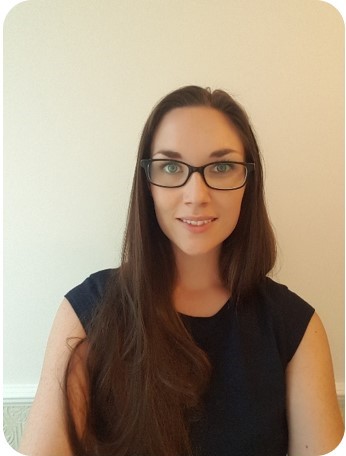
Author Kimberley Lloyd- Rees on behalf of Tandex
Kimberley graduated from the University of Sheffield in 2010, where she now works as a clinical tutor in Dental Hygiene and Therapy as well as working in practice. She has spent her career working across a variety of specialist private and mixed dental practices, for the MOD and volunteering her time to a dental charity in Nepal.
For more information on Tandex’s range of products,
visit https://tandex.dk/ or visit the Facebook page:
https://www.facebook.com/TandexUK
[i] Oral cancer: A ticking time bomb?. BDJ In Pract 33, 14–18 (2020). https://doi.org/10.1038/s41404-020-0561-y (accessed September 2021).







