


Immediate satisfaction
Featured Products Promotional FeaturesPosted by: Dental Design 20th January 2022
Dental implants can offer a new lease of life, but the lengthy treatment time may deter some patients. When appropriate, dentists may consider recommending immediate placement and/or loading. Studies[i] have reported high survival rates for these treatments, as well as demonstrating a patient preference,[ii] no doubt due to the reduced overall treatment time, as well as the immediate aesthetic gratification. However, there may be certain reasons as to why some dental professionals have yet to implement immediate placement and loading into their dental repertoire – where due to a lack of confidence or education, this should not, Dr Hrisith Choksi explains, be discouraging.
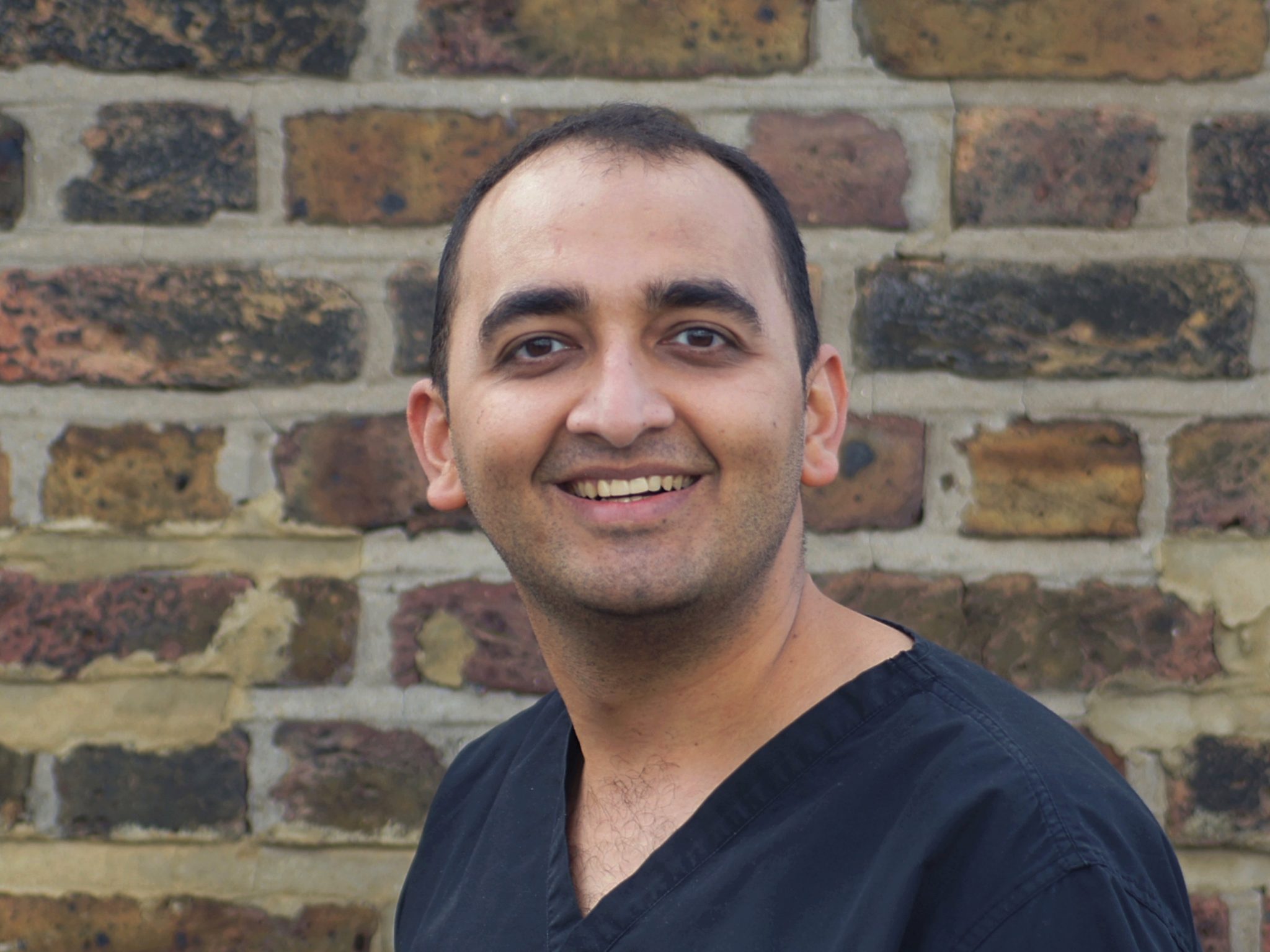
Hrisith’s interest in dental implants began in 2012. He has since gone on to complete dental implant courses in renowned institutes in Germany, Italy and Spain. Hrisith’s ADI webinar – Immediate Placement, Immediate Loading – explores case selection, protocols and procedures regarding immediate placement and immediate loading. Hrisith provides some background for his webinar:
“Case selection is important for many reasons, and there are several key points to consider – including patient expectations, bone volumes, morphology of the alveolar ridge, existing pathology, occlusion and general oral and medical health.
“There are always potential risks and challenges with dental implant treatment, depending on positioning of vital structures, interdental/inter-radicular bone levels, soft tissue defects, etc. Taking all the above factors into consideration and planning accordingly will help you to reduce the risks, and therefore deliver the best, most reliable care for patients.”
Treatment planning and managing patient expectations are critical stages within any dental journey, and there is always opportunity to improve and develop the planning process. If things do happen to go wrong, having all bases covered will ensure the treatment can still go ahead with minimal impact on the patient and their treatment outcomes. Hrisith reiterates:
“Keeping the patient informed will help to not only manage their expectations, but keep them prepared for any potential complications. They need to understand what you’re going to do, the risks involved and, should any issues occur, how you’re going to deal with them.
“Doing this will ensure that there are no surprises for our patients. Communicating and educating patients on the risks and potential outcomes is paramount for their, as well as the clinician’s, peace of mind.”
The ability to provide immediate dental implant placement and loading, like all dental procedures, requires a commitment to training, education and self-development. It is important to be knowledgeable within the dental implantology field before using immediate protocols – a dentist who has sufficient experience can minimise the risk of complications and provide more predictable treatments. Hrisith adds:
“A lack of experience and education would definitely put clinicians off using immediate dental implant placement and loading techniques. Another reason might be that they have tried this treatment before, but it has failed for them – it’s important to understand why it failed in order to move forward and make changes to tackle the problem.
“In addition, clinicians may get into their comfort zone and lack the confidence to try new things, but you can start off with immediate placement without immediate loading, then move onto immediate placement with immediate loading when you’re ready.”


Take your training further
Are you interested in learning more about immediate dental implant placement and loading, or other advanced concepts? There are plenty of learning resources available to members of the ADI, alongside Hrisith’s webinar and many more. The ADI is dedicated to advancing and enhancing professional education, through offering a comprehensive range of resources for all preferences and interests. Hrisith shares his experience as a member:
“The ADI organises a lot of events and courses, as well as providing many webinars that cover various topics within implant dentistry.
“The conferences have been great so far – I’ve been going for the past 4-5 years since becoming an ADI member, and I find them so informative. The community is supportive, and provides so many amazing opportunities for networking.”
Immediate dental implant placement and loading can be deeply beneficial to both dentists and patients. Planning carefully for dental treatments will help reduce potential complications and, if they do occur, plot the appropriate course of action. Confidence, knowledge, communication and an optimal treatment plan are all key facets when delivering exceptional, predictable results for your patients.
For more information about the ADI, or to join, please visit the website
[i] National Library of Medicine. The impact of immediately placed and restored single-tooth implants on hard and soft tissues in the anterior maxilla. Available online. https://pubmed.ncbi.nlm.nih.gov/27314114/. Accessed 11 Oct. 21.
[ii] Nation Library of Medicine. Patients’ perspectives on dental implant and bone graft surgery: a questionnaire-based interview survey. Available online. https://pubmed.ncbi.nlm.nih.gov/23075114//. Accessed 12 Oct. 21.







