


Temporisation, impressioning and cementation – the triangle of success
Featured Products Promotional FeaturesPosted by: Dental Design 17th February 2022
There are a number of factors that can impact the outcomes of indirect restorative workflows. After all, these cases can vary in complexity, and every step along the way has myriad different aspects to consider in order to ensure a predictable, reliable result.
But what are the three key success factors when it comes to indirect restorative workflows, and how can you streamline and perfect these to ensure reliably excellent outcomes?
Temporisation matters
Restorations, even temporary ones, fulfil a number of functions during the indirect restorative process. In fact, temporary restorations are crucial for several reasons, so it’s a wise move for practitioners to look closely at this step of the treatment process.
The basic function of temporisation materials is to protect the underlying tooth structure and retain function and aesthetics. However, they can also condition gingival tissues so that the site is perfectly prepped for final impressioning before fabrication of the permanent restoration. This process can help streamline the rest of the restorative journey, especially as a good impression following this step can assist with cementation and, as a result, effect the final outcome.
Bearing this in mind, it’s necessary to choose a temporisation material that encourages perfect fit and function during this time. Aesthetics are also key – just because a material is temporary doesn’t mean it should impact the confidence of your patient, so assessing the various available options on the market and choosing one that offers function, fit and superior aesthetics is always a good choice.
 Impressioning
An accurate dental impression can make all the difference when it comes to providing accurate, functional solutions. However, with so many different impressioning options available, it may be difficult to select the product that will fulfil your needs best.
The first thing to consider is the nature of the case you’re working on. This should impact the type of impressioning technique you will use as different methods will have benefits in certain scenarios that others won’t.
For example, while generally good across the board and providing many benefits, digital scanners may struggle to capture sub-gingival detail. A physical impression material may also be faster, more accurate and even more pleasant for the patient depending on the method chosen. That being said, a conventional impressioning method may be more time consuming or difficult to achieve a good outcome – it really depends on that patient.
There are areas where every option excels, so it’s a smart idea to assess the type of cases you are most often presented with and choose an impression material or method that best suits your working style and requirements.
Dental cementation
When you consider that dental restorations can be made from such a broad range of materials, it makes sense to assume that you will need an equally diverse supply of dental cements in order to cope with every indication. Ceramics, metals, composites, even dentine – these substances all have unique properties, so a cement that may work well on metals, for instance, may not be able to bond so effectively to ceramics.
However, with the latest advancements in dental cement, this is no longer an issue.
Universal cements can reliably bond with a vast array of modern dental materials. Ultimately, the goal is to select the fewest number of dental cements necessary to meet your needs in order to streamline your armamentarium without compromising results. Once this is achieved, you benefit from more straightforward treatment with less waste, less cost, all without compromise of outcomes.
Learn to simplify your success
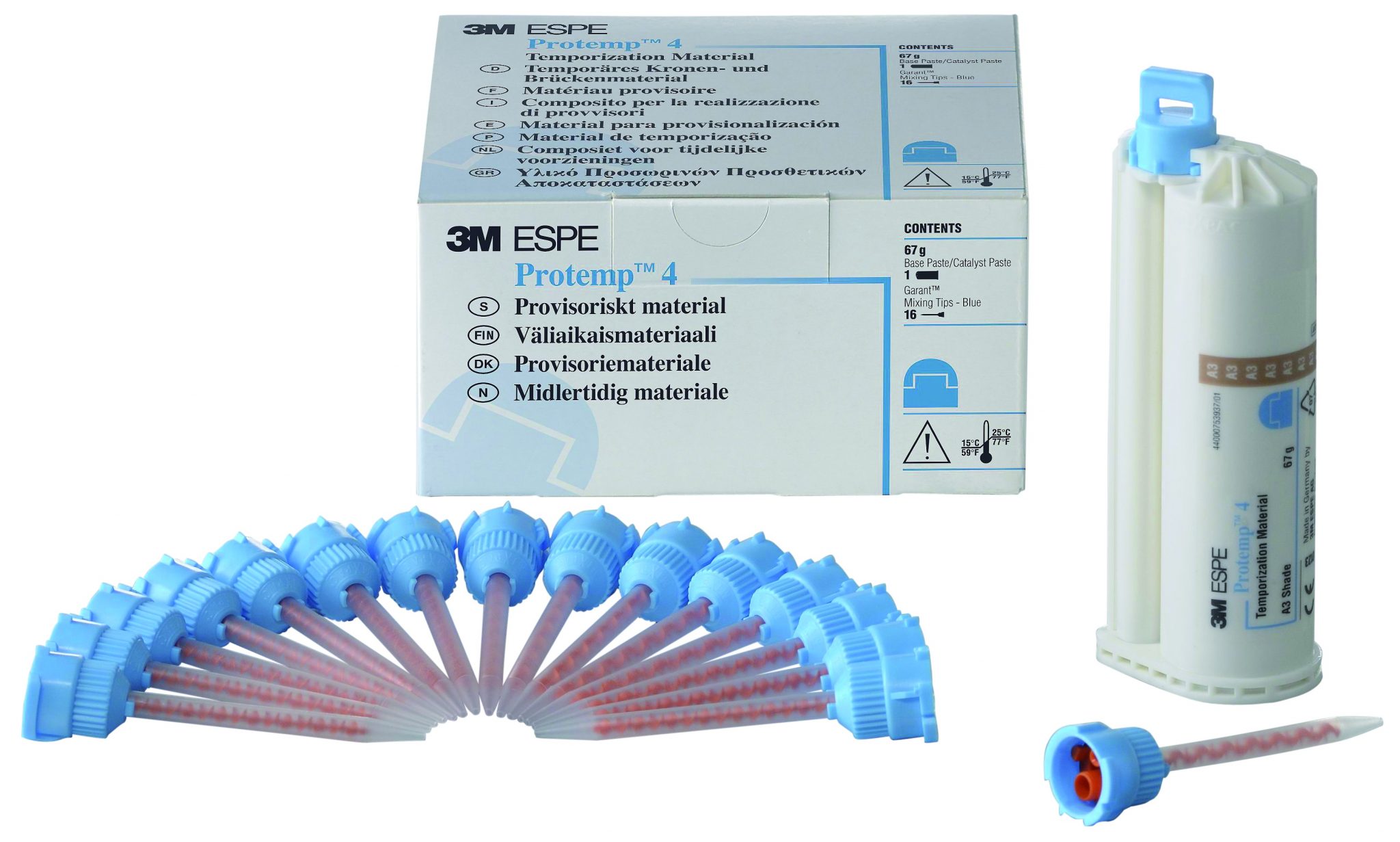
These three steps are part of Success Simplified – an innovative guide to indirect restorative procedures built off the guidance of five industry-leading clinicians. Known as the “Triangle Theorem 180 to 360” these steps explore how solutions such as 3M Protemp 4 Temporisation Material, the 3M Impregum Polyether Impression Material portfolio, 3M Imprint 4 VPS Impression Material and 3M RelyX Universal Resin Cement can streamline and maximise your potential to achieve exceptional outcomes in indirect restorative workflows.
A seven-step procedure in total, Success Simplified takes every stage of the indirect restorative workflow and opens the door to options that are simple, stress-free and can minimise your product selection to just materials that you really need.
All part of your success
Indirect restorative workflows may seem complex, but that doesn’t have to be the case. By concentrating on each stage, finding products that meet your expectations and support the way you work, as well as looking at ways to restructure your product selection, you can enjoy successful outcomes without needing hundreds of products.
For more information, call 0845 873 4066 or visit https://www.3m.co.uk/3M/en_GB/dental-uk/procedures/success-simplified/








