


Align, Bleach and Bond – A minimally intervention approach to managing the worn dentition
Featured Products Promotional FeaturesPosted by: Dental Design 20th April 2022
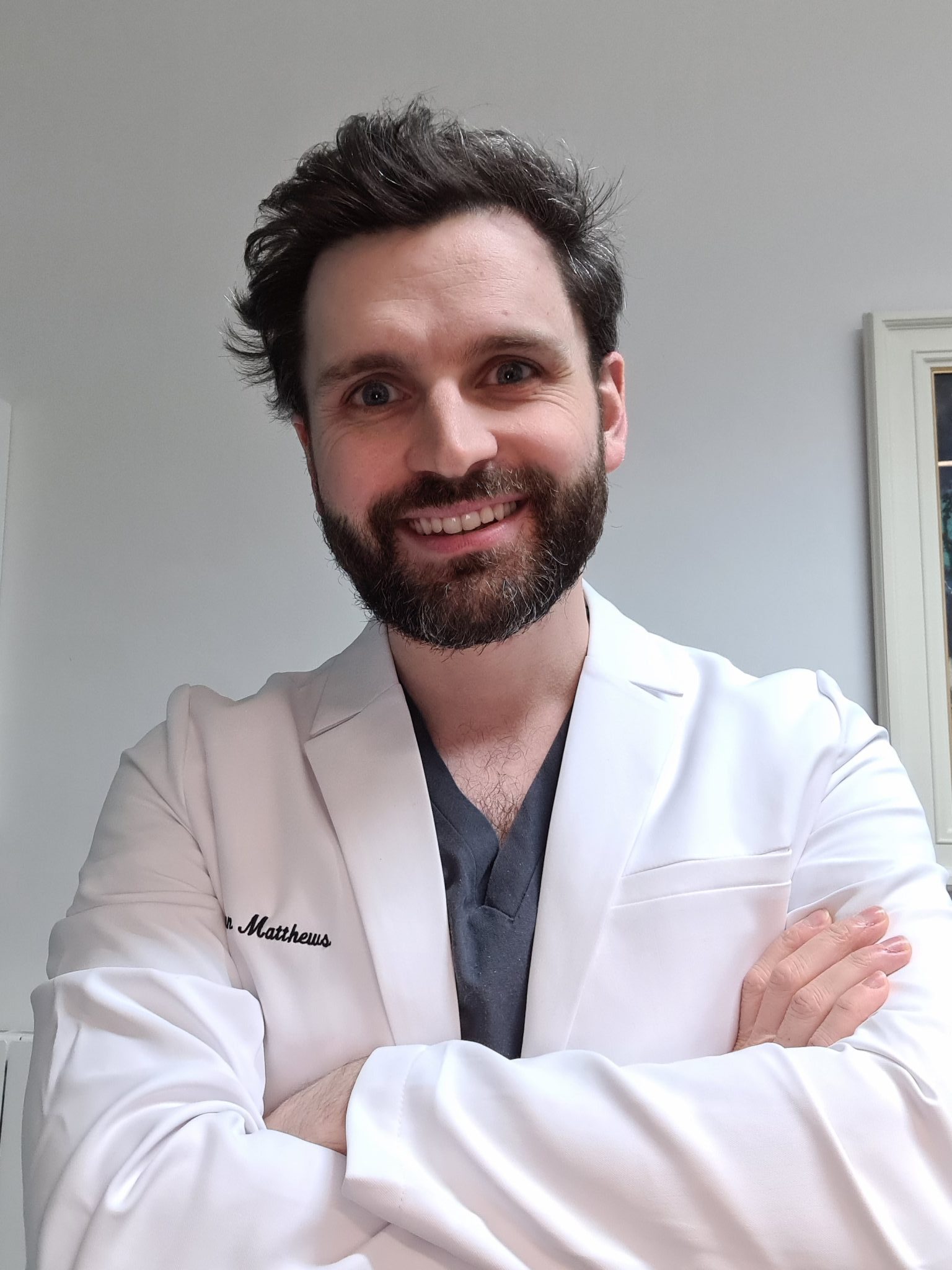
As we explore the aetiology of tooth wear, we increasingly see differential wear patterns related to the interaction between upper and lower teeth, as well as how this may change and develop over time as teeth move throughout our lives. In this case, Dr Allan Matthews demonstrates the Align, Bleach and Bond (ABB) protocol and how it can be used to manage tooth wear to create a functionally stable and aesthetic end result, without removing further structure.
The presenting case
A female patient presented and a full orthodontic assessment was carried out, included clinical photography, a radiograph (Figure 1-7) and measurements. This involves a 5 page orthodontic report and is made very simple by using the IAS Academy online assessment form, which can be completed swiftly and efficiently.
In this case we noted the following:
Class 1 skeletal pattern
Average nasolabial angle
Competent lips
Coincident midlines
Class 1 incisors with wear
Class 1 molars bilateral
Class 1 canines bilateral
Upper spacing and rotation of teeth
Lower crowding
Reduced overjet
Restricted envelope of function
With most relationships being favourable, the main presenting issue that required address was the reduced overjet and resultant restriction to the envelope of function. Addressing this would allow for restorative space to return the incisors to a more natural form. This case was posted on the IAS Academy forum for support and advice was provided by the mentors.
The case was scanned and digitised and the STL files sent to the IAS Laboratory alongside a Spacewize+™ prescription – another online tool that allows calibration of occlusal photos to assess both the space required vs. space available and tooth position to achieve the desired orthodontic result. This simulation, generated by the lab, was shown to the patient who was happy to commit to treatment and the lab work was ordered. Initially this would be an upper Inman Aligner and lower ClearSmile Aligners. Where required, Interproximal Reduction (IPR) was carried out, composite buttons attached and aligners fitted. With reviews every 2 weeks, we were able to guide the teeth into their desired position. Ultimately, the upper aligners were then converted into clear aligners for final tweaks to tooth position. A brief period of tooth whitening was also completed to freshen up the tooth shade, though the patient did not take this far as they did not want their teeth to be “too” white.
This meant for an idealised overjet relationship and a derestriction in the envelope of function, however, we were left with residual spacing and wear in the upper. We may have achieved our functional aim, but the aesthetic goal needed addressing with the restorative work.
A scan was carried out and the case was planned in Meshmixer, using a digital tooth library provided by the IDDA. Upon assessment only the upper 2-2 required attention so these teeth were mocked up to approximately 10mm length and 8.5mm width, planning to reduce the triangular appearance and spacing of the centrals and laterals.
This model was then 3D printed and a putty transfer made for a “try in” to allow the patient to get an idea of what their teeth would look like once restored (Figures 8-11). Photos were taken and sent to the patient to review and decide if any changes were desired.
The patient was delighted and committed to the restorative work very quickly. A fixed lower retainer was ordered and this was fitted during the restorative appointment, when a putty palatal stent was made in order to build palatal shells on the upper 2-2 before freehand composite was placed to establish the facial surfaces. Thorough polishing allowed for a beautiful result (12-15). Scans were carried out once more to allow for removable retainers to be made and the case will be followed up long term with recycling of retainers and resin as indicated.
Conclusion
With the support of my mentors and the resources available on the IAS Academy website, this case was planned and executed with minimal stress and progressed smoothly. As a full IAS Academy member, I make extensive use of this mentorship and plan many cases such as these each day. My confidence has grown with orthodontics and it has rapidly become a very large part of what I do at the clinic. I can wholeheartedly recommend the learning pathways and support if you want to treat ABB cases in a simple, predictable way.
Images


For more information on upcoming IAS Academy training courses, please visit www.iasortho.com or call 01932 336470 (Press 1)







