


A good night’s sleep is the best gift there is
Featured Products Promotional FeaturesPosted by: Dental Design 4th September 2022
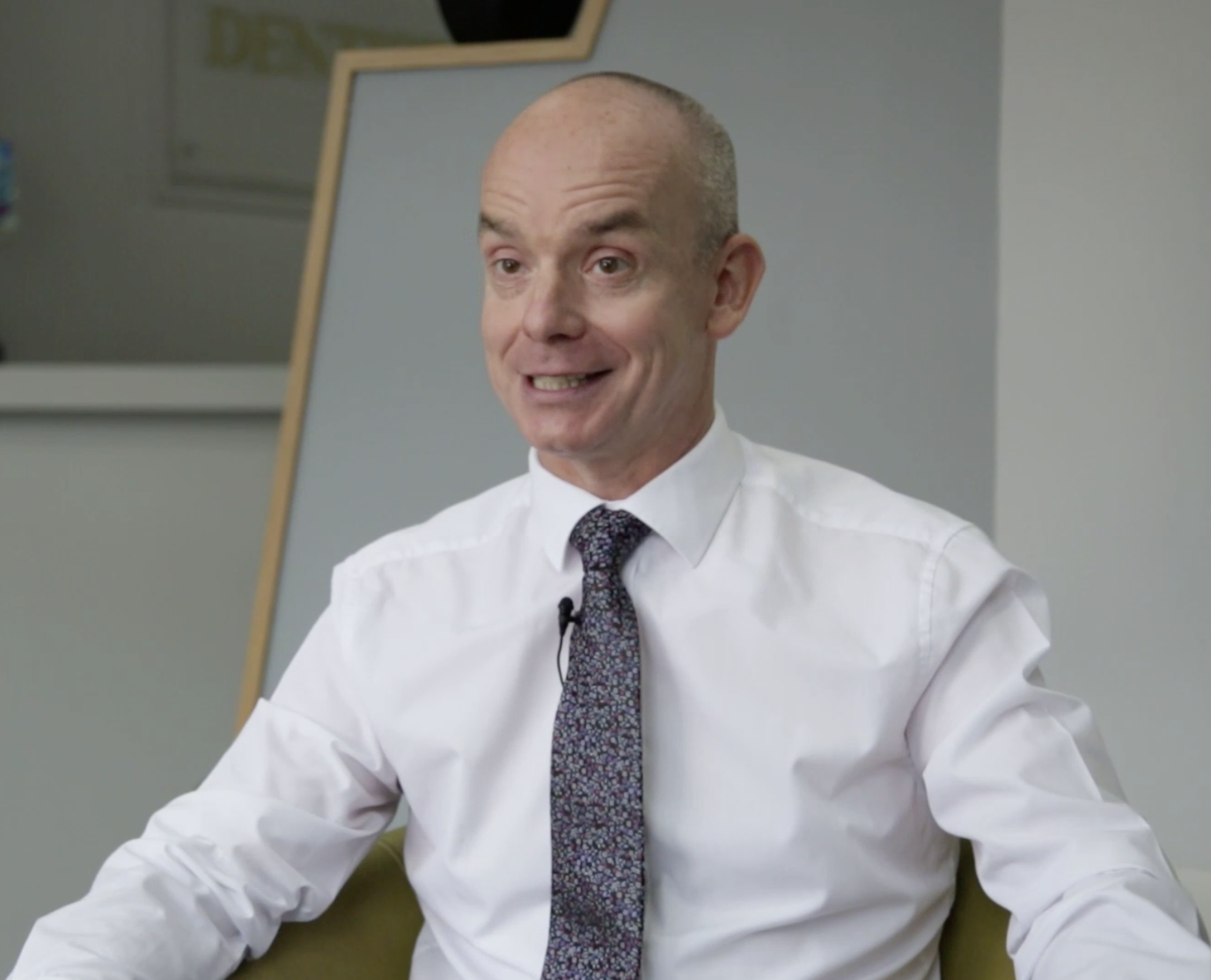
A good night’s sleep can be a balm for a stressful and unpleasant day – it’s also vastly important for our health. However, many individuals find that they cannot switch off when it’s time to go to bed, resulting in sleepless nights that can progress to more severe disorders.
Dentists rely on various tools and equipment to help them deliver optimal care to patients. But the brain is equally as important, if not more so, in this endeavour. If a dentist suffers from poor sleep, how are they able to provide the highest standards of care? Once you’ve established good sleep hygiene, you’ll be better able to recognise complications of sleep deprivation and disordered breathing in patients, and give them the advice and guidance they need to take back control of their wellbeing.
Poor sleep hygiene doesn’t discriminate
It’s important to note that sleep hygiene doesn’t only impact patients. Many dentists may not be aware of how their sleep behaviours can seriously affect their working day. You may feel sluggish and short-fused, but those who experience chronic sleep disruption and/or short sleep duration could suffer from a heightened stress response, depression, and memory or performance deficits.[i]
As many of you will know, dentistry is a stressful field and this can trigger sleep complications. Other causes include lifestyle choices, personal commitments and sleep disorders like obstructive sleep apnoea (OSA).[ii]
Poor sleep affects many areas of the body. One study[iii] found links between short sleep duration and an increased risk of cardiovascular disease in older women. Links to weight gain have also been noted, with researchers finding that poor quality of sleep could be a risk factor for weight gain, due to dysfunctional eating behaviours, reduced physical activity and metabolic changes.[iv]
As such, it’s vital to assess your sleep behaviours, to improve the quality of your personal and professional lives. With the ability to recognise poor sleep behaviours in your patients, you can give them back the control to live healthy and well-rested lives.
Are there links to oral health?
Poor sleep can also be a risk factor for various oral health complications in patients. It is believed that prolonged sleep disturbance and short sleep duration can lead to chronic inflammation, and is associated with various pathologies that are inflammatory in nature, such as periodontal disease.[v] Sleep deficiency can also impair the healing of oral ulcers.[vi]
OSA is thought to affect around 1.5 million[vii] people in the UK – this condition disrupts sleep through obstructing the airway for repeated periods of time, commonly caused by the tongue and soft palate during sleep. OSA has been associated with poorer oral health,[viii] largely due to the fact that patients with OSA breathe through their mouth. This can lead to changes in their oral microbiota and cause greater acidity.[ix]
How can dental professionals help?
Dentists who recognise the signs of OSA and sleep-disordered breathing are in the best position to offer treatment, support and guidance to patients.
 The NICE guidelines on sleep-disordered breathing recommend that, for OSA patients who snore, have mild OSA or who cannot tolerate continuous positive airway pressure (CPAP) therapy, a mandibular advancement splint could be used as a treatment pathway for properly screened patients.[x] This procedure requires the dentist to take an impression or intra-oral scan of the patient’s dentition and record an appropriately protruded bite registration for the lab to make a precision custom-made mandibular advancement splint. Although this option does come with higher initial costs to make and fit, they have better longevity and durability than other devices for sleep-disordered breathing. For patients who are under 18, or have active periodontal disease or caries, or uncontrolled epilepsy, a mandibular advancement splint is not recommended.
In order to treat patients with sleep disordered breathing, dentists should be able to demonstrate to their indemnity provider they’ve had training in the area of dental sleep medicine and gained experience using oral appliance therapy (OAT). They’ll work alongside other experts, such as medical sleep specialists and other healthcare professionals, to ensure that patients receive the best possible care for their individual needs. By undergoing training in dental sleep medicine, you’ll be able to give patients back control over their sleep and better protect their oral, and overall, health.
Help patients to hit the hay with ease
If you’re looking to take on dental sleep medicine in your practice, look no further than the Dental Sleep Medicine course from Dr Paul Reaney, available through IAS Academy. It is hoped to create an environment in the IAS Academy for continuous professional development with follow up webinars. Dr Reaney will also encourage attendees to surround themselves with colleagues in the British and Irish Dental Sleep Medicine Societies and European Academy of Dental Sleep Medicine for additional support.
This one-day programme teaches dentists about the natural sleep pattern and how to manage patients with sleep disordered breathing using his award-winning workflow. Delegates will look at sleep hygiene in the dental practice, the pathophysiology of sleep disordered breathing and discuss case scenarios. Training also includes how to screen and assess patients to select who is managed in practice or referred to medical colleagues. Delegates will not only know how to provide care for sleep issues, but will also have experienced the treatment for themselves, so they can truly appreciate the difference it makes.
Sleep is essential for everyday functioning and for our health. Modern living offers numerous triggers for poor sleep hygiene, but fortunately new efforts have been established to combat this issue and give individuals back their sleep autonomy.
For more information on upcoming IAS Academy training courses, please visit www.iasortho.com or call 01932 336470 (Press 1)
[i] Medic, G., Wille, M. and Hemels, M. (2017). Short- and long-term Health Consequences of Sleep Disruption. Nature and Science of Sleep, [online] Volume 9(9), pp.151–161. Available at: https://www.ncbi.nlm.nih.gov/pmc/articles/PMC5449130/ [Accessed 24 Jun. 2022].
[ii] Suni, E. (2020). Sleep Deprivation: Causes, Symptoms, & Treatment. [online] Sleep Foundation. Available at: https://www.sleepfoundation.org/sleep-deprivation#:~:text=Multiple%20factors%20can%20cause%20or [Accessed 23 Jun. 2022].
[iii] Cabeza de Baca, T., Chayama, K.L., Redline, S., Slopen, N., Matsushita, F., Prather, A.A., Williams, D.R., Buring, J.E., Zaslavsky, A.M. and Albert, M.A. (2019). Sleep debt: the impact of weekday sleep deprivation on cardiovascular health in older women. Sleep. [online] Available at: https://academic.oup.com/sleep/article/42/10/zsz149/5541558?login=true [Accessed 23 Jun. 2022].
[iv] Bonanno, L., Metro, D., Papa, M., Finzi, G., Maviglia, A., Sottile, F., Corallo, F. and Manasseri, L. (2019). Assessment of sleep and obesity in adults and children. Medicine, [online] 98(46), p.e17642. Available at: https://www.ncbi.nlm.nih.gov/pmc/articles/PMC6867771/ [Accessed 23 Jun. 2022].
[v] Besedovsky, L., Lange, T. and Haack, M. (2019). The Sleep-Immune Crosstalk in Health and Disease. Physiological Reviews, [online] 99(3), pp.1325–1380. Available at: https://journals.physiology.org/doi/full/10.1152/physrev.00010.2018?rfr_dat=cr_pub%3D [Accessed 23 Jun. 2022].
[vi] Chen, P., Yao, H., Su, W., He, Y., Cheng, K., Wang, Y., Peng, W. and Li, P. (2019). Sleep deprivation worsened oral ulcers and delayed healing process in an experimental rat model. Life Sciences, [online] 232, p.116594. Available at: https://www.sciencedirect.com/science/article/abs/pii/S002432051930520X [Accessed 23 Jun. 2022].
[vii] Asthma + Lung UK. (2016). OSA UK health economics report – British Lung Foundation. [online] Available at: https://www.blf.org.uk/support-for-you/obstructive-sleep-apnoea-osa/health-care-professionals/health-economics-report [Accessed 23 Jun. 2022].
[viii] Tamasas, B., Nelson, T. and Chen, M. (2019). Oral Health and Oral Health-Related Quality of Life in Children with Obstructive Sleep Apnea. Journal of Clinical Sleep Medicine, [online] 15(03), pp.445–452. Available at: https://jcsm.aasm.org/doi/full/10.5664/jcsm.7672 [Accessed 23 Jun. 2022].
[ix] Davidovich, E., Hevroni, A., Tzur Gadassi, L., Spierer-Weil, A., Yitschaky, O. and Polak, D. (2021). Dental, oral pH, orthodontic and salivary values in children with obstructive sleep apnea. Springer Link. [online] Available at: https://link.springer.com/article/10.1007/s00784-021-04218-7 [Accessed 23 Jun. 2022].
[x] www.nice.org.uk. (n.d.). Overview | Obstructive sleep apnoea/hypopnoea syndrome and obesity hypoventilation syndrome in over 16s | Guidance | NICE. [online] Available at: https://www.nice.org.uk/guidance/ng202 [Accessed 23 Jun. 2022].







