


Managing peri-implant soft tissue dehiscences
Featured Products Promotional FeaturesPosted by: Dental Design 2nd December 2022
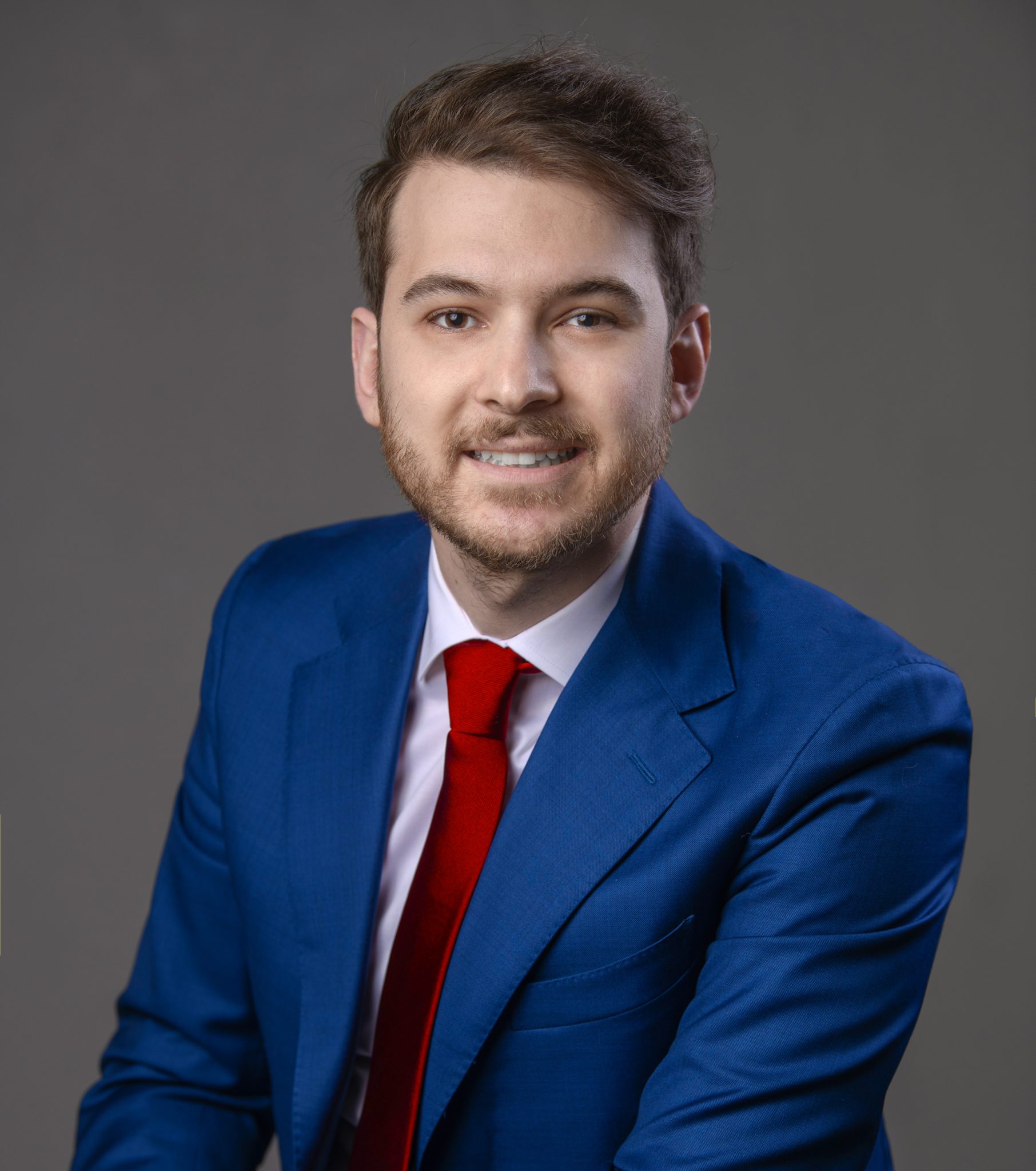
The ADI Team Congress 2023 will be entitled “Dental Implants: Individual Excellence or Team Triumph”. We are looking forward to hearing from speakers who will be advising colleagues on overcoming challenges in dental implantology and sharing their expertise. This event is also an excellent opportunity for clinicians to network with their peers, discuss their experiences and learn from each other. We will be joined by a range of expert speakers, providing insight into the latest products and techniques in implant dentistry around the world. One of which is Dr Lorenzo Tavelli.
Dr Lorenzo Tavelli teaches periodontology, conducts clinical research and treats patients in the Harvard Dental Centre, and is a faculty member in the Division of Periodontology at the Harvard School of Dental Medicine. Dr Tavelli graduated from the University of Milan in 2017 and completed his residency in Periodontics and his MSc in 2020 at the University of Michigan. Dr Tavelli will be presenting a session at the ADI Team Congress focussed on peri-implant phenotype and aesthetic complications of dental implant treatment. He will discuss the new classification of peri-implant soft tissue dehiscences and the various treatment approaches available to predictably address dental implant complications. He tells us more about the challenges faced by colleagues when managing soft-tissue:
“Dental implants are routinely placed in practice. However, there are several cases of aesthetic complications that can negatively affect patient satisfaction and their overall perception of therapy. The main challenges of treating these conditions are related to the diagnosis of this condition and treatment planning. These have to take into account several anatomical and prosthetic factors. Soft tissue aesthetic complications faced with dental implant treatment are different from those of root coverage procedures in natural dentition and therefore clinicians need to be aware of how to properly address these conditions.”
The new classification system for peri-implant soft tissue is an effective tool for communication amongst clinicians. Previously, the lack of classification system for peri-implant soft tissue dehiscence/deficiency could lead to discrepancies during the referral process of patients, as well as in reports of treatment outcomes, leading to misinformation.[i] More accurate and standardised classification can provide clarity about the case complexity. Dr Tavelli continues:
“The new classification of peri-implant soft tissue dehiscences/deficiencies can help communication between professionals by providing a common classification system that can be universally utilised, where the classes identify the bucco-lingual position of the dental implant, and the subclasses describe the dimension of the interproximal soft tissue (papillae). Also, the classification provides information on the complexity of the case, with type IVc peri-implant soft tissue dehiscences being considered the most challenging scenario to address.”
Dr Lorenzo Tavelli hopes delegates will leave his session well informed on the management of peri-implant soft tissue dehiscences, and feel more confident in carrying out effective management techniques:
“The key topics I will discuss during my session will be: the concept of peri-implant phenotype and factors associated with aesthetic complications, the new classification of peri-implant soft tissue dehiscences/deficiencies, the role of soft tissue phenotype modification on the aesthetic and long-term marginal soft tissue stability at dental implant sites, and treatment approaches to predictably address dental implant aesthetic complications.
“Once they’ve attended my session, I’m expecting that colleagues will better understand how to prevent aesthetic complications for their dental implant cases, and that they will have a better rationale for choosing the most appropriate technique when treating peri-implant soft tissue dehiscences.”
For many colleagues, the ADI Team Congress is a fantastic opportunity to learn from others in the community, each helping each other improve through sharing expertise and experiences. Dr Tavelli adds:
“I’m thrilled to be participating in this event organised by the ADI, I’m really looking forward to it. I would like to thank the ADI for their invitation, it is a great opportunity to meet and interact with new colleagues.”
Save the date and join us at the ADI Team Congress on the 4th-6th May next year at the Birmingham ICC to hear more from Dr Lorenzo Tavelli and many other industry leading speakers. It promises to be an exciting show for all delegates offering colleagues the opportunity to expand their knowledge of dental implantology, and gain insight into the latest dental implant developments and techniques.

ADI Team Congress 2023
Dental Implants: Individual Excellence or Team Triumph
Birmingham
4-6 May 2023
ADI members can access the event at a heavily discounted rate, join today
[i] Zucchelli G, Tavelli L, Stefanini M, Barootchi S, Mazzotti C, Gori G, Wang HL. Classification of facial peri-implant soft tissue dehiscence/deficiencies at single implant sites in the esthetic zone. J Periodontol. 2019 Oct;90(10):1116-1124. doi: 10.1002/JPER.18-0616. Epub 2019 Jun 3. PMID: 31087334. https://pubmed.ncbi.nlm.nih.gov/31087334/







