


Utilising immediate implant protocols to overcome patient concerns surrounding denture wear
Featured Products Promotional FeaturesPosted by: Dental Design 7th January 2023
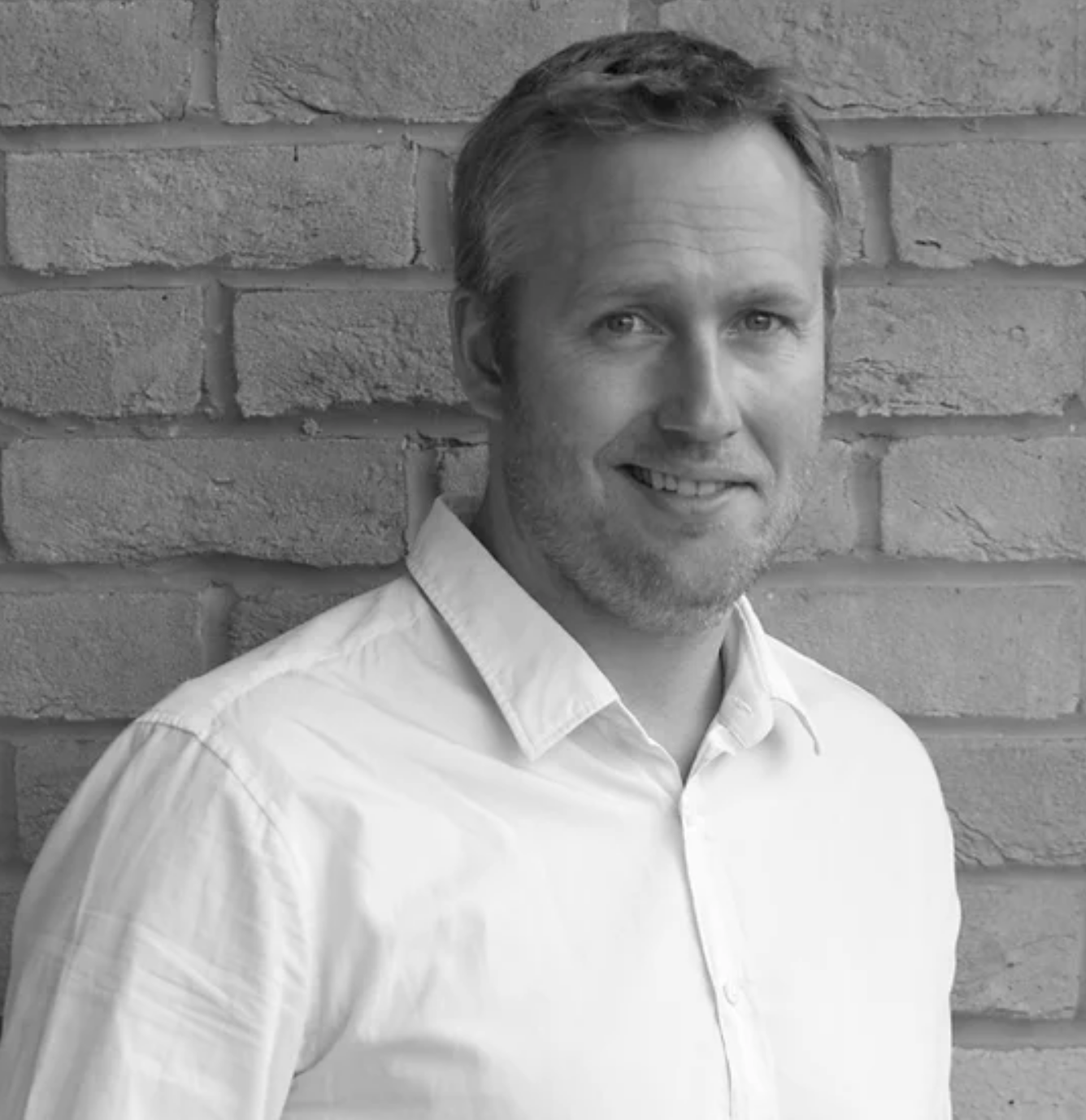
Dr Jacob Taekke presents a comprehensive case that required the placement of several implants in order to restore a patient’s smile and confidence in time for her wedding.
Case presentation
A female in her late forties presented for an implant assessment. She had lost posterior teeth over a number of years and felt her mastication and her smile had become impaired. She also felt discomfort from her mouth, which was harder for her to describe but was not pain. As she was due to get married, she felt it was a good time to consider replacing her missing posterior teeth with dental implants and to have a makeover of her anterior teeth. The patient was accustomed to receiving compliments for her smile, having done some modelling in her youth. It was unclear from the initial consultation exactly under what conditions the teeth had been lost.
Assessment
On inspection it was noticed that the patient had a symmetric face with good smile symmetry and good symmetry of her teeth. There were also good proportions between the white and pink aspects of her smile. What was very noticeable was some incisal tooth wear and some tooth discoloration.
Intraorally, the patient was in good periodontal health. Most of the molars were missing and there were a few small areas of secondary decay in her remaining dentition, which was moderately restored. It could be estimated that some of the missing teeth had been lost due to caries and breakages rather than periodontal disease. A CBCT revealed that tooth 11 had a chronic apical periodontal infection and that the root was shortened.
On discussion with the patient, she said the tooth had been root treated twice. I suggested that the tooth had a hopeless prognosis despite being asymptomatic. I proposed that tooth 11 would require removal and replacement with a dental implant as part of the patient’s smile makeover. The patient was devastated to learn that one of her front teeth may require extraction and this now became the overriding worry for the patient making all other treatment needs secondary. It is a fact that even the loss of one tooth can have a profound effect on an individual and we as professionals need to negotiate our patients’ feelings. The patient was also very quick to refuse wearing a denture, even if it was for a limited period of time as a part of dental implant treatment. It was agreed that the front tooth would be treated before anything else.
Treatment planning
As a dental implant clinician, I have lots of experience with both delayed and immediate dental implants in the aesthetic zone. It was now up to me to decide whether to offer the patient an immediate dental implant with immediate loading or not. If it is not possible to meet a patient’s wishes you are generally limited to referring the patient onwards for an assessment and second opinion with a colleague.
For tooth 11, the overall case characteristics were:
1: High smile line.
2: Intact papilla and good height of midfacial gingival margin. Low scalloped thick gingival phenotype.
3: No occlusal guidance.
4: Low and relatively narrow alveolar ridge.
It was decided that the conditions were favourable for an immediate implant with an immediately loaded crown. The technique used was described by (J. Chu et al., 2012) in an article named “The dual-zone therapeutic concept for managing immediate placement and provisional restoration in anterior extraction sockets”.
Before the surgery we built anterior guidance on the maxillary canine and incisor teeth using direct composite bonding. This was done prior to implant placement as guidance would protect the immediate implant post-placement. The composite bonding gave the patient some immediate relief. The non-descript discomfort the patient had mentioned on the initial presentation was greatly reduced. Impressions were also taken so that an acrylic denture would be available on the day of surgery in the unlikely case that immediate loading could not be carried out. This was explained to and accepted by the patient as part of the consent process. Finally, a laboratory PMMA “Maryland” bridge was made, which could be picked up in the mouth using a titanium cylinder.
Surgical procedure
On the day of the surgery the patient was pre-medicated with 5mg of Diazepam and 3gram of amoxicillin. The patient was emotional and to keep her stress levels down, no photography was carried out during the surgery.
Immediately before the procedure, we drew 40ml of blood for PRF. The blood was spun for 12 minutes at 2700RPM and from it we made PRF membranes and sticky bone using allograft Maxgraft Cortico-Cancellous by Botiss/Straumann. PRF derived graft materials are recognised to have inbuilt antibiotic properties and growth factors which will speed up and improve graft healing (Quirynen & Pinto, 2022).
The surgery was carried out with local anaesthetic. A full gown and drape approach was used ensuring the surgery was aseptic, thus limiting any bacterial load. Tooth 11 was removed atraumatically with a scalpel cutting the PDL fibres before a luxator and finally forceps were applied. The labial socket wall was left intact, creating it a class 1 extraction socket that was favourable for immediate implantation. A thorough degranulation was carried out with a spoon curette and saline rinse.
An osteotomy was prepared in the palatal wall of the socket. An Anthogyr Axiom BL PX implant 3.4 by 10mm was placed using an Anthogyr hand driver to a level 3mm below the gingival zenith of the socket. The Anthogyr hand driver gives excellent directional control when placing implants and, in this case, ensured that screw retention was easily achieved. The hand driver also gives good torque. For this case, in excess of 50NCM of torque was achieved with a small diameter implant. This is achievable due to the implant thread design. A 3mm jump graft was placed with the previously prepared sticky bone.
Finally, the temporary PMMA crown was picked up intraorally with a titanium cylinder and flow composite. The emergence of the crown was polished and we made sure the temporary was out of direct dynamic and static occlusion. This particular type of immediate loading is termed “immediate non-functional loading” (Misch et al., 2004) and the crown constitutes a prosthetic socket shield which contains the graft and maintains the tissue morphology.
After the surgery patient took amoxicillin for 5 days and rinsed 7 days, morning and evening, with chlorhexidine.
Surgical review and final restoration
12 weeks of uneventful healing was allowed before the temporary crown was removed. Impressions were taken with a customised impression coping to copy the exact original emergence profile that the temporary crown had maintained. The final restoration is a screw retained stained zirconia crown made by Vision Ceramics Dental Laboratory in Torquay.
The patient is very pleased with the result and tissue volume has been maintained. The final radiograph confirms the maintenance of tissue with bone levels which have not changed since the day of implant placement. During the healing period, the patient had whitening treatment, a few fillings and posterior Anthogyr Axiom implants placed to replace her missing molars. In the upper jaw the implants are Anthogyr Axiom TL PX and in the lower jaw the implants are Anthogyr Axiom TL REG implants.
Discussion
The author of this article choses to work with Anthogyr because it is a well thought-out and engineered implant system. The high manufacturing standards and interesting prosthetic solutions, including the proprietary InLink and Axin solutions, make Anthogyr ideally suited for any situation. Having worked with many systems in the past, it is evident that Anthogyr does not have any of the little snags and faults that other systems typically have.
The advantages of immediately placed and loaded dental implants when planned and carried out correctly are tremendous. These are evident in this case where the patient had no post-operative pain or swelling. No flap was raised, the patient did not undergo significant soft or hard tissue grafting and no sutures were placed. The marginal tissues remained unchanged throughout the treatment as did the sulcus height and muco-gingival junction. It is unlikely that this will change anytime soon. This type of treatment requires reduced appointments and chair time, and this has a positive impact not only on the individual patient but also on the patient’s wider community. Fewer appointments will mean that the implant dentist will be able to service more patients. This has never been more relevant than now, when we have an increasingly ageing population and a lack of dentists in the UK.
Images


For more information, please visit www.straumann.com
Author:
Dr Jacob Taekke graduated from Aarhus University, Denmark, in 2001. In 2017 he completed a diploma in implantology and oral surgery from the Universite Paul Sabatier, Toulouse, France. He is currently enrolled on a Master’s course in Implant Dentistry at Unicamillus in Rome under the instruction of professor Hugo Cavani. Unicamillus is a school dedicated to postgraduate medical qualifications.
Jacob has experience in private practice in his native Denmark and Portugal, as well as experience in private and NHS practice within the UK. He has been placing dental implants since 2007 and is currently based in Somerset and Devon, where he limits his work to the provision and restoration of dental implants and advanced prosthetics.







