


Optimising the patient experience
Featured Products Promotional FeaturesPosted by: Dental Design 14th May 2023
Modern dentistry is about much more than simply fixing problems in the mouth and sending patients on their way. Today’s profession takes a far more holistic approach, bringing prevention and education to the fore and empowering patients to take charge of their own dental and general health. As part of this philosophy, the dental team is looking to create a positive treatment journey for every patient, enhancing their experience in the practice at every opportunity. This is only achievable with the whole dental team on board, and with access to cutting-edge technologies.
The environment
The physical environment has been found to promote patient feelings of well-being in a healthcare setting. The design and accessibility of the premises can also impact the quality of care delivered by improving the professional workflow and boosting teamwork.[1] There is evidence to suggest that features such as the brightness, noise, colour scheme, privacy and potential crowding of a physical space could impact patients’ stress and anxiety levels too.[2]
Ultimately, dental practices today are looking to create an environment that represents cleanliness and professionalism, while staying away from the cold and clinical appearance that healthcare establishments have traditionally been associated with. There is a greater focus on providing a spa-like experience and promoting patient comfort from the moment they step through the door. The look and feel of the practice will almost certainly contribute to a patient’s decision to return in the future,[3] so it must be considered very carefully.
Communication
Effective communication can have an impact on the patient experience for several reasons, including their satisfaction with the procedure they undergo and the service they receive, as well as their understanding of how to maintain treatment results and their general oral health.
The importance of getting patients involved with the decision-making stages of treatment has been shown in various studies in order to encourage their satisfaction with results achieved. It has also been noted that professionals should consider more than just verbal communication.[4]
In all situations, thought should be given to not only what is being said, but how it is being said, with consideration for non-verbal communication like eye contact and body language as well. In fact, the latter has been estimated to be the most important for a person with regards to how they will judge another who is communicating with them. Mehrabain is known for establishing the 7-38-55 rule back in 1967 – the importance of communication is weighted 7% on verbal, 38% on vocal and 55% facial.[5] If patients feel that they are being communicated with well, they are more likely to develop trust in their practitioner, feel in control of their treatment and enjoy a positive experience overall.
 Equipment
Across the healthcare sector, uptake of digital technologies is increasing as practices aim to enhance everything from patient and team communication to quality of clinical care delivered. Digital dentistry has grown exponentially in recent years, with many believing the equipment to enhance the quality, speed and accessibility of dental care for many patients. The technology available today is vast and can be incorporated into many steps of the treatment process. These include digital photography, smile simulation, digital treatment planning, guided surgery, 3D printed devices, remote treatment monitoring – and the possibilities are growing every day.
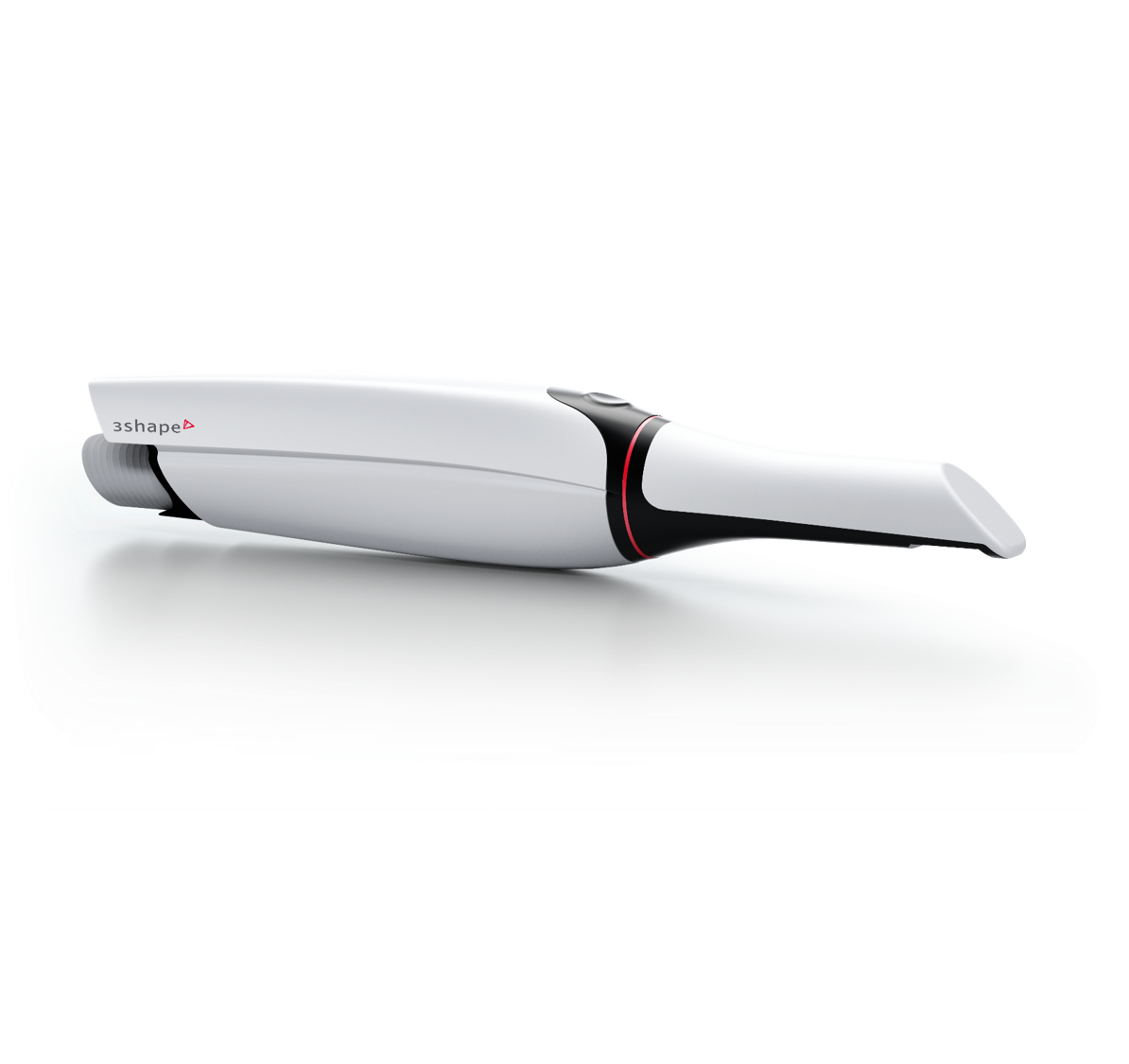
Digital technologies can often improve patient satisfaction. Intraoral scanners, for example, are widely preferred by patients compared to the more traditional alginate impressions.[6] Patients have reported greater comfort with digital scanners, expressing a preference for the smell, taste and sound, among other factors.[7] When using solutions such as the 3Shape Trios scanner, available from the Straumann Group, clinicians can also benefit from high resolution images that support highly accurate diagnostics and treatment planning, in addition to enhanced patient comfort and satisfaction.
Patient-centred business growth
It has been reported that a word-of-mouth recommendation is the key reason why over 90% of consumers would choose a product or service.[8] This means that it remains an essential marketing tool for all dental practices. By doing what you can to enhance the patient experience in your practice – through exceptional treatment results, stunning facilities, good communication and cutting-edge equipment – you too could see your business grow as patient referrals increase. This is especially important for practices looking to grow the private side of their business, who will value the security that a growing patient base offers for the future.
No matter the size or age of your practice, your dental speciality, your local demographic or your future ambitions, optimising the patient experience is essential for their satisfaction. At a time when patients like to shop around, anything you can do to encourage their loyalty is a must for the business.

For more information on intraoral scanners and digital solutions from the Straumann Group, visit: https://www.straumann.com/digital/en/home/equipment/io-scanners.html
[1] Sarapultseva M, Zolotareva A, Nasretdinova N, Sarapultsev A. The Healing Environment of Dental Clinics through the Eyes of Patients and Healthcare Professionals: A Pilot Study. Int J Environ Res Public Health. 2022 Oct 19;19(20):13516. doi: 10.3390/ijerph192013516. PMID: 36294114; PMCID: PMC9603286.
[2] Motalebi, G., & Vojdanzadeh, L. (2015). Effect of Physical Environmental of Medical Space in Reducing Patients’ Anxiety and Stress (Case Study: a Dental Office). Honar-Ha-Ye-Ziba: Memary Va Shahrsazi, 20(2), 35-46. doi: 10.22059/jfaup.2015.56716
[3] Gürler G, Delilbaşı Ç, Kaçar İ. Patients’ perceptions and preferences of oral and maxillofacial surgeons in a university dental hospital. Eur Oral Res. 2018 Sep;52(3):137-142. doi: 10.26650/eor.2018.483. Epub 2018 Sep 1. PMID: 30775717; PMCID: PMC6365137.
[4] Touati R, Sailer I, Marchand L, Ducret M, Strasding M. Communication tools and patient satisfaction: A scoping review. Journal of esehtic and Restoratiev Dentistry. January 2022. 34(1):104-116 https://doi.org/10.1111/jerd.12854
[5] Mehrabian, A., & Ferris, S. R. (1967). Inference of attitudes from nonverbal communication in two channels. Journal of Consulting Psychology, 31(3), 248–252. https://doi.org/10.1037/h002464
[6] Sivaramakrishnan G, Alsobaiei M, Sridharan K. Patient preference and operating time for digital versus conventional impressions: a network meta-analysis. Aust Dent J. 2020 Mar;65(1):58-69. doi: 10.1111/adj.12737. Epub 2019 Dec 19. PMID: 31749234.
[7] Christopoulou, Isidora & Kaklamanos, Eleftherios & Makrygiannakis, Miltiadis & Bitsanis, Ilias & Tsolakis, Apostolos. (2021). Patient-reported experiences and preferences with intraoral scanners: a systematic review. The European Journal of Orthodontics. 44. 10.1093/ejo/cjab027.
[8] Dentistry IQ. Even in the digital age, word-of-mouth is still king for growing your patient base/ February 2015. https://www.dentistryiq.com/practice-management/marketing/article/16350766/even-in-the-digital-age-wordofmouth-is-still-king-for-growing-your-patient-base [Accessed February 2023]







