


A successful orthodontic case
Featured Products Promotional FeaturesPosted by: Dental Design 9th May 2023
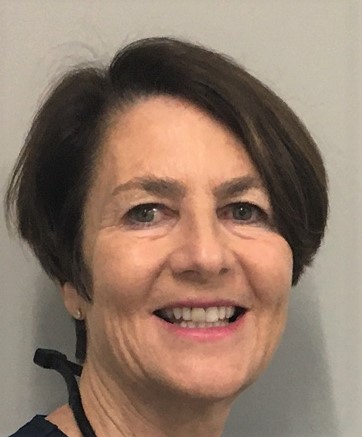
Dr Margaret de Verteuil is an Associate GDP at Stedham House Dental Practice. She started her orthodontic journey with the IAS Academy in 2016, and since then she has progressed with the ClearSmile Aligner system, the ClearSmile Brace system and last year completed the Advanced Diploma course from the IAS Academy. Here she presents a case which discusses the benefits of finishing orthodontic treatment with whitening and composite bonding following the ABB (align, bleach and bond) concept.
Initial presentation and orthodontic assessment
A 34-year-old male presented to the surgery as he was unhappy with the appearance of his anterior teeth. He had seen the orthodontic treatment I had previously provided to his wife, and wanted to see if it was possible to improve the appearance of his own smile.
A comprehensive orthodontic assessment was performed. This included the taking of periapical radiographs and clinical photographs. The extraoral examination revealed a high Frankfort Mandibular Plane Angle (FMPA) and increased lower face height (LFH), and the patient had competent lips and an average lip line on smiling. (Figure 1) The intraoral examination revealed a class I incisor relationship with an overjet of 2mm and an overbite of 30%. (Figure 2-3) The patient’s centrelines were non coincident, (Figure 4-5) and the molar and canine relationships were also class I. The patient had mild crowding in the upper arch with a tooth size discrepancy (diminutive lateral incisors), (Figure 6) and there was moderate crowding among the lower incisors – the LL2 was of particular concern. (Figure 7)
Treatment aims and plan
The aim of the treatment was to align the upper and lower incisors.
To address these concerns, a treatment plan was created which included aligning the upper and lower incisors using the ClearSmile Brace system. This system uses coated NiTi wires and small tooth-coloured brackets for a discreet appearance with all the advantages of using fixed appliances. Once alignment was complete, we planned to follow the ABB (align, bleach and bond) concept, undertaking tooth whitening and composite bonding to optimise the appearance of the incisors and build up the upper lateral incisors. In addition to this, we planned to use fixed and removable retainers after the orthodontic treatment has been completed, for long-lasting results.
All other treatment options were presented, as well as the option of no treatment. The patient provided informed consent to proceed with the proposed orthodontic treatment plan following the ABB concept.
Treatment process
Impressions were taken and sent to the IAS Lab for Archwize™ Software analysis to assess spacing, and ensure that the lower arch could be aligned without any extractions. The crowding in the lower arch was borderline for treatment without extraction. This was explained to the patient, along with the limitations of the treatment, and the patient consented to proceed, preferring to avoid extraction if possible. Due to the severity of the crowding, I suggested the ClearSmile Brace system as it provides maximum control of tooth movement.
Maintaining excellent oral hygiene is crucial for successful orthodontic treatment. Regular brushing and interdental cleaning are essential for reducing plaque, and maintaining healthy teeth and gingiva during treatment. This was explained to the patient, and compliance was good throughout.
Interproximal reduction (IPR) was performed progressively to create space between teeth to enable alignment of the crowded teeth in the lower arch. (Figure 8-9)
NiTi coated wires were used, starting with size 0.012 and progressing through 0.016, 20*20 and 19*25. The wires were changed at 6 weekly intervals. The orthodontic stage of treatment took approximately 9 months, and went very smoothly. (Figure 10-12) At the end of the this, the patient proceeded to whiten his teeth at night for two weeks using White Dental Beauty 16% carbamide peroxide. Once the patient was happy with the result, composite bonding was performed using Renamel Microfill SB3 composite. The incisal edges and diminutive lateral incisors were built up to improve the appearance of the anterior teeth. (Figure 13-15)
Finally, fixed bonded retainers and removable retainers were provided. Retention is crucial for long-lasting results, and the importance of compliance was explained again to the patient.
Outcome
The final results were far better than the patient or I could have imagined. (Figure 16-18) The appearance of the anterior teeth was improved and, on reflection, I don’t think I could have produced a better final outcome or would have done anything differently.
I thoroughly enjoy the aesthetic and long-term results that orthodontic treatment can give my patients. Many orthodontic cases can be finished off nicely with whitening and composite bonding. The support given on the IAS Academy forums is excellent.

Figure 1 – Pre treatment left lateral

Figure 2 – Pre treatment anterior smile

Figure 3 – Pre treatment right lateral

Figure 4 – Pre treatment anterior

Figure 5 – Pre treatment anterior

Figure 6 – Pre treatment upper occlusal

Figure 7 – Pre treatment lower occlusal

Figure 8 – Mid treatment left lateral

Figure 9 – Mid treatment upper occlusal

Figure 10 – Post alignment left lateral

Figure 11 – Post alignment anterior

Figure 12 – Post alignment right lateral

Figure 13 – Post treatment left lateral

Figure 14 – Post treatment anterior

Figure 15 – Post treatment right lateral

Figure 16 – Final outcome left lateral

Figure 17 – Final outcome anterior smile

Figure 18 – Final outcome right lateral

For more information on upcoming IAS Academy training courses, please visit www.iasortho.com or call 01932 336470 (Press 1)







