


Handling ‘those’ patients as a new dentist
Featured Products Promotional FeaturesPosted by: Dental Design 18th August 2023
Dentistry is as much personal as it is technical. When you finally finish your years of studying and training, it’s vital to ensure that your communication and people skills are kept polished. They are vital for when you encounter challenging patients, who can be a great source of stress for the dental team, and especially so for those in the first few years of their career.
Soft skills: the secret to harmonious dentistry?
Defined as ‘interpersonal, psychological, self-promoted and non-technical qualities’,[i] soft skills encompass various themes such as communication, time management, work ethic, problem solving skills, team work, self-confidence and an overall positive attitude. Like many healthcare practises, dentistry is patient-focussed and so honing your soft skills and interactive abilities is a sure-fire way to provide an outstanding level of care to patients.
What do patients seek from their dentist? A study demonstrated that alongside the dentist’s competence and quality of service, interpersonal factors like patience and respect are also valued highly by patients when choosing a dentist.[ii] For many patients, attending the dental practice can cause some trepidation, anxiety and even outright fear – this is where difficulties begin to arise. They may be uncooperative, rude – this can place incredible stress on the dental team. Likewise, if a patient believes they haven’t received a high quality of care, or desired treatment that you felt was not clinically necessary or ethical, then this may also cause anguish for the patient. They may file a complaint against you, which is actually thought to be one of the leading causes of stress in younger dentists.[iii]
 When patients become rude, aggressive and unapproachable, it can feel paralysing – what should you do? How can you handle this? A difficult patient might not only ruin that particular day, but could cause you upset for several days, perhaps even weeks afterwards. With the right mindset and approach, you can take control of the situation and work with your patient towards a more positive outcome.
Developing these skills
Your early years as a dentist are formative, and a bad experience may be more pronounced during this time. Experience is the key to developing a personal way of working and interacting with your patients, and there are no shortcuts. But learning, training and professional support can help. Alongside continued training for your hard skills, you should also take the time to develop your soft ones. The literature suggests that soft skills enhance confidence, social competence, social participation and professionalism,[iv] and, ultimately, they are needed within the dental profession. The aforementioned points can be a boon for personal and professional growth. Confidence and social participation, for instance, can be a driver for skill development, which in turn further promotes confidence and can eventually help you boost revenue and the standard of patient care.
So, how can you develop your soft skills? It may be best to focus on the areas where you feel improvement is most needed, and work from there. Confidence, for example, can be nourished by seeking the guidance of a mentor, who can provide you with keen insight into your development. Attending courses specifically tailored to soft skill development will prove of use, in addition to other courses for clinical skill growth, where you will be interacting and potentially networking with peers. Pushing yourself out of your comfort zone is another way to gain valuable experience, which in turn can nurture your confidence, your communicative skills and how you perceive and interact with others.
When faced with a difficult or demanding patient, it can provide you with a valuable lesson. Don’t take the aggression or rudeness personally – try to empathise, and get to the root issue of their behaviour. Even if you cannot resolve the problem, take solace in the fact that you have done what you can, but reframe how you will remember, and learn from, the interaction.
Make every interaction count
The soft skills you develop across your career will enhance your clinical skills, and vice versa. When you
can deliver treatment confidently, with the ability to communicate effectively and personably with every patient, you can achieve fantastic successes and milestones.
To support the next generation of dentists, the Association of Dental Implantology (ADI), have developed the NextGen Young Dentist Committee. The ADI is committed to providing the right
support for young professionals entering and developing within the field of dental implantology. We recognise how vital high-quality education, research and mentoring in the field of dental implants are, and so we engage with young and/or prospective implant dentists to ensure we can strengthen the foundations for the next generation of clinicians. As a result, we can ensure we’re always moving forward as an organisation and also as a profession.
A long and successful career depends not only on the positives, but also on how you handle the challenging and stressful aspects of your work. Difficult patients can be a great deal of discontentment, and as a newly-qualified dentist they can really impact your confidence. But with the right skills, you can adequately manage these patients to ensure the best outcome every time.

For more information about the ADI, or to join, please visit the website
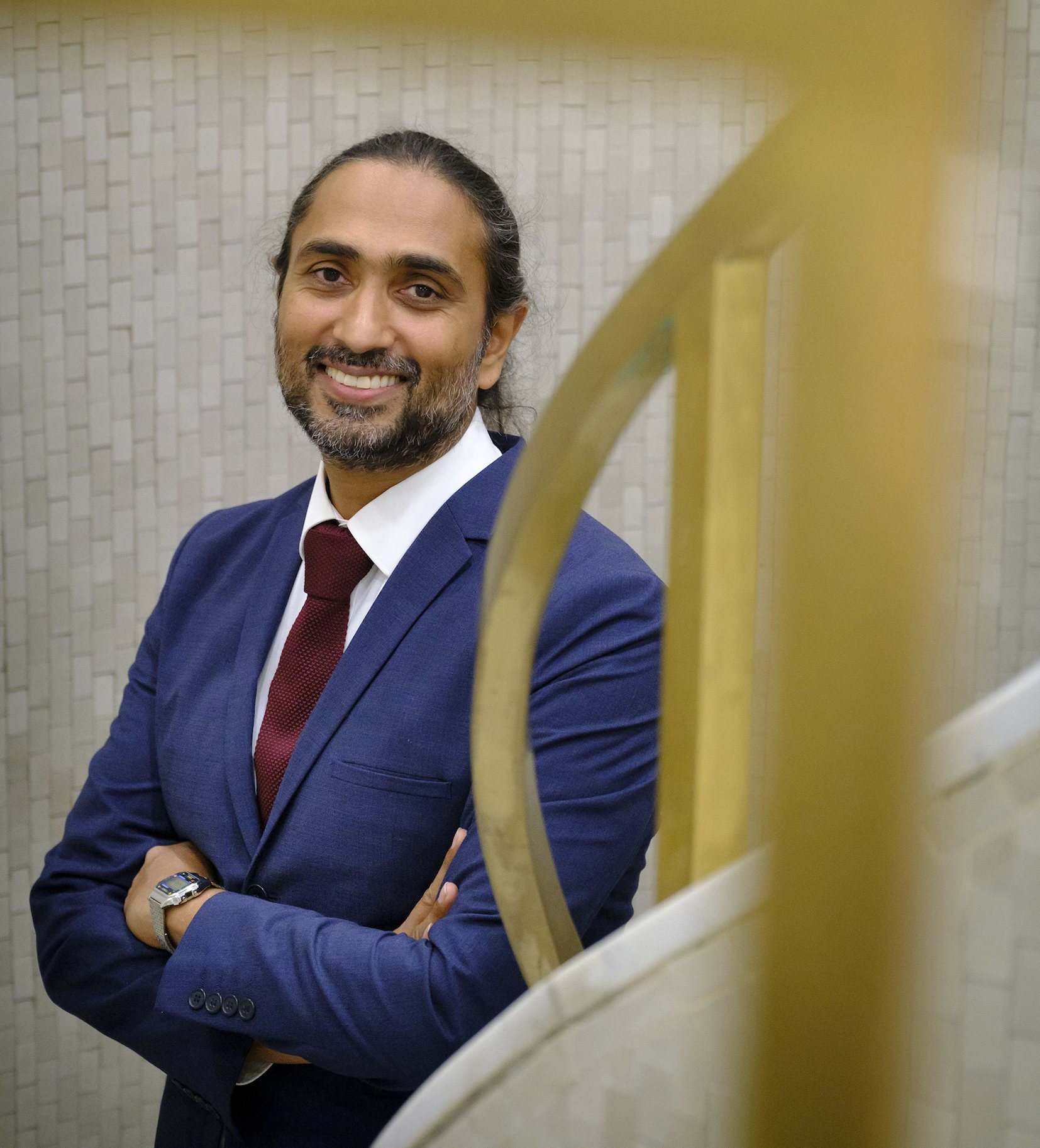
Amit Patel –
President of The Association of Dental Implantology (ADI) is registered with the General Dental Council as a specialist in periodontics. His special interests are dental implants, regenerative and aesthetic periodontics. Amit graduated from the University of Liverpool and completed a four year specialist training programme in Periodontics at Guy’s, King’s & St Thomas’ Dental Institute.
[i] Dalaya, M. (2015). An Interesting Review on Soft Skills and Dental Practice. JOURNAL OF CLINICAL AND DIAGNOSTIC RESEARCH. [online] Available at: https://www.ncbi.nlm.nih.gov/pmc/articles/PMC4413170/ [Accessed 30 May 2023].
[ii] Ungureanu, M.-I. and Mocean, F. (2015). What do patients take into account when they choose their dentist? Implications for quality improvement. Patient Preference and Adherence, [online] 9, p.1715. Available at: https://www.ncbi.nlm.nih.gov/pmc/articles/PMC4669916/ [Accessed 30 May 2023].
[iii] More than half of dentists say stress is affecting their practice. (2019). British Dental Journal, [online] 226(1), pp.7–7. Available at: https://www.nature.com/articles/sj.bdj.2019.18 [Accessed 30 May 2023].
[iv] Khajeghyasi, R.V., Liaghatdar, M.J., Nili, M.R. and Shirazi, M. (2021). Ranking the soft skills of the dental profession based on the importance in job performance: A mixed method study in Isfahan and Mazandaran Universities of Medical Sciences. Dental research journal, [online] 18, p.24. Available at: https://www.ncbi.nlm.nih.gov/pmc/articles/PMC8248254/ [Accessed 30 May 2023].







