


The benefits and challenges of working across multiple settings
Featured Products Promotional FeaturesPosted by: Dental Design 9th October 2023
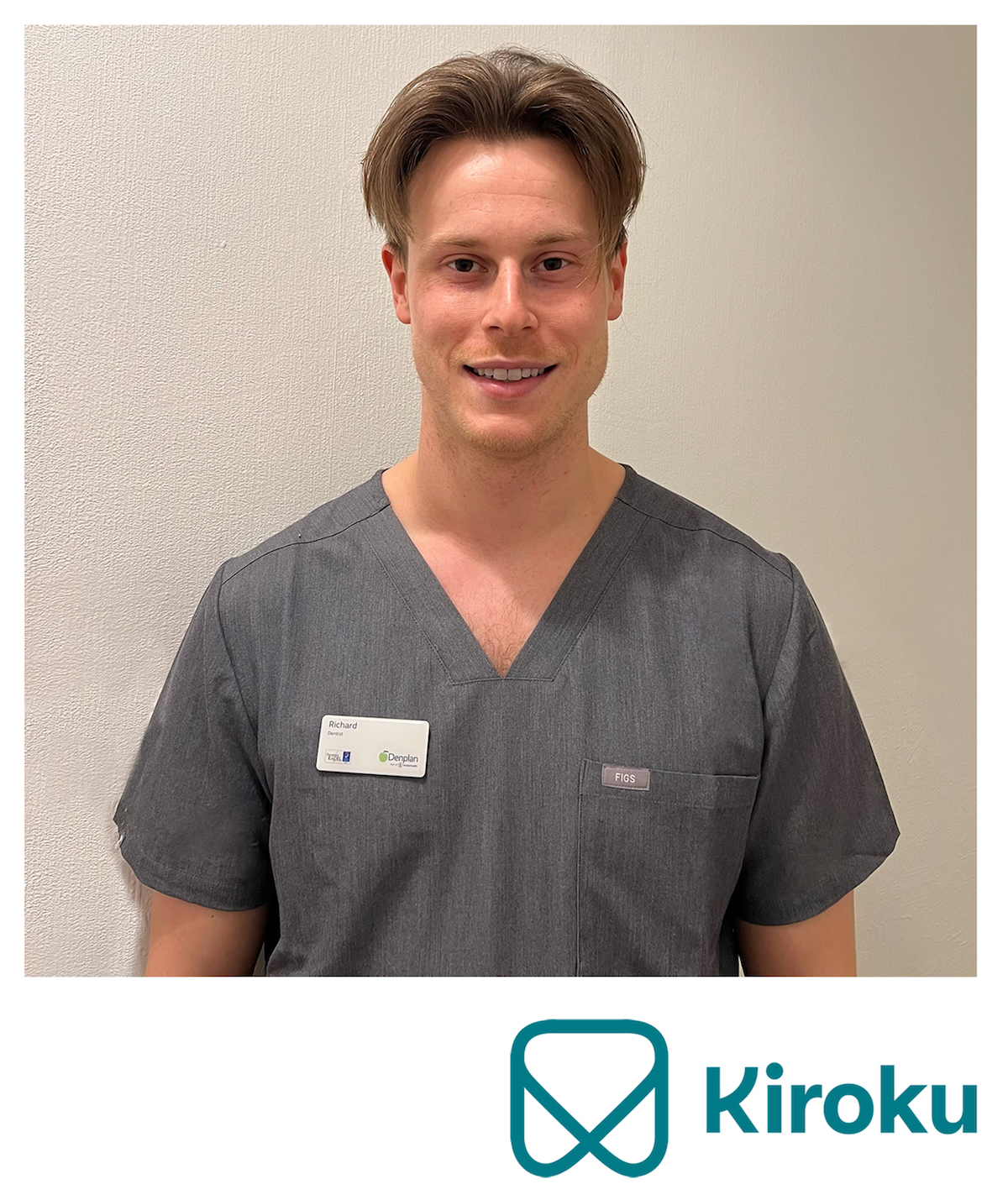
Dr Richard Grey is an associate dentist, working across a number of different settings. He discusses his experiences so far, and the ways in which working in both clinical and non-clinical settings has allowed him to further his career.
I qualified from the University of Bristol in 2015. Following this, I worked in a mixed practice until 2022, becoming a partner in 2021. In 2022, my ambitions shifted away from wanting to be a practice owner. I took a career break and subsequently spoke to Hannah Burrow (co-founder of Kiroku), who asked me to join the Kiroku clinical team. I have since also joined the local emergency dental service, as I wanted to practise dentistry differently.
Currently, my working week consists of 2 days as an associate in another mixed practice, 2 days working for the Sussex Community Dental Service, and 1 day per week as part of a digital dental platform’s clinical team.
Working as an associate dentist
As an associate dentist, I have always enjoyed solving problems and offering my expertise to people. Many dental patients feel anxious, so I do my best to put them at ease and consider their unique circumstances to offer personalised care. I enjoy getting an understanding of their hopes and expectations, to establish common goals and emphasise the importance of prevention. I find that many patients are hoping to seek out a quick fix to their dental problems and are unaware of or unmotivated by the need for prevention – I really try and counter this by starting with the basics, providing the best advice I can from the very start of their journey.
In general practice, I provide composite work, crowns, dentures, oral surgery, root canal treatment, and non-surgical periodontal treatment. I try to develop my knowledge and skills through courses. In 2021, I completed an aesthetic restorative course with Dr Ian Cline that really improved my confidence and understanding in delivering private aesthetic work. I undertake plenty of CPD through online webinars and face-to-face study clubs/workshops with Dental Tubules.
New patients can present with unstable caries and periodontal disease but are unaware of their situation. This is why education is a crucial aspect of the care that I provide. I try to instil confidence in my patients, so they can take ownership of their oral health at home, thereby preventing disease, rather than relying on dentists and dental hygienists for treatment.
Experiences unique to the Special Care (Community) setting
In the Special Care setting, I also see patients who have been referred for anxiety, along with children and vulnerable adults (i.e., those with autism, learning disabilities, mental health issues, drug and alcohol dependence etc.). Community dentistry requires additional administration, as more time is taken to record and process patients’ information. There are, however, many opportunities to learn, with different specialists and experienced dentists on hand to provide a second opinion in difficult cases.
As a part of my Community role, I also provide domiciliary care. This comes with additional challenges – like discussing care with the family members of dementia patients, or liaising with care homes, for example. A patient’s ability to engage with and communicate about their care impacts how you plan their treatment. Ultimately, I’m here to help with judging what’s in the patient’s best interest.
Because I work across multiple settings, I have to be adaptable. I have different experiences every day which suits my personality and values better than working in one setting 4/5 days per week.
Growing and learning in the emergency dental service
 In the local emergency dental service, I can spend half an hour with each person, which is enough time to provide treatment, advice, and preventive education, to help improve their long-term situation. Should I need to perform an extraction, including difficult teeth, I am afforded the time to do that. The patients I treat in this setting are often in a lot of pain, and have encountered many barriers to dentistry, like anxiety, financial difficulties, as well as limited access to NHS dental care. I see patients of all ages, and from a wide range of backgrounds – with this comes a range of issues we don’t often see in general practice. This can be very eye opening, and at times requires referral to oral surgery clinics, or hospital for general anaesthetic.
To begin with, working across multiple settings was a little confusing. It takes a lot of organisation, not only preparing equipment for each day, but getting in the right frame of mind for each service. I enjoy this challenge, and it’s certainly never dull. It has offered me the opportunity to learn new things, which has helped me to feel more fulfilled.
Expanding opportunities outside of clinical dentistry
By working part-time in clinical settings, dental professionals can explore other options for career development such as digital dentistry and public health roles, for example. I found a digital product that I was interested in and was able to use my knowledge and experience in a non-clinical environment.
I actually hadn’t used Kiroku’s digital note taking platform prior to joining the team. I then started using it in the emergency setting and found it saved me time and made my notes consistently thorough and contemporaneous. I now use it across all the settings I work in.
My role within the Kiroku clinical team has given me the opportunity to experience a different aspect of dentistry. For example, attending the BDIA Showcase to demo Kiroku on our stand, creating and editing Kiroku templates and helping users through virtual calls, email or live chat. I have created specific templates for the British Academy of Cosmetic Dentistry, as well as templates for dental trauma, orthodontics, and composite bonding. It has been incredibly rewarding and satisfying to use my own bespoke templates for my practice, to hear positive feedback from other users and to feel like a member of a different kind of team.
Dr Grey’s experience demonstrates the versatility that is possible when dental professionals work across a range of clinical and non-clinical settings. This can offer a wide variety of benefits, with more experiences of various conditions, working with patients with additional needs, and developing the world of digital dentistry. This results in a well-rounded, fulfilling career, including options that some may not have considered.
To find out more about Kiroku, or to start your free trial, please visit trykiroku.com







