


Nature comes through again?
Featured Products Promotional FeaturesPosted by: Dental Design 26th October 2023
Dental professionals, researchers and academics are constantly looking for new ways to help patients reduce the accumulation of plaque in the mouth. The foundation of the entire profession is based on minimising bacteria in the oral cavity during treatment and encouraging patients to do the same between appointments.
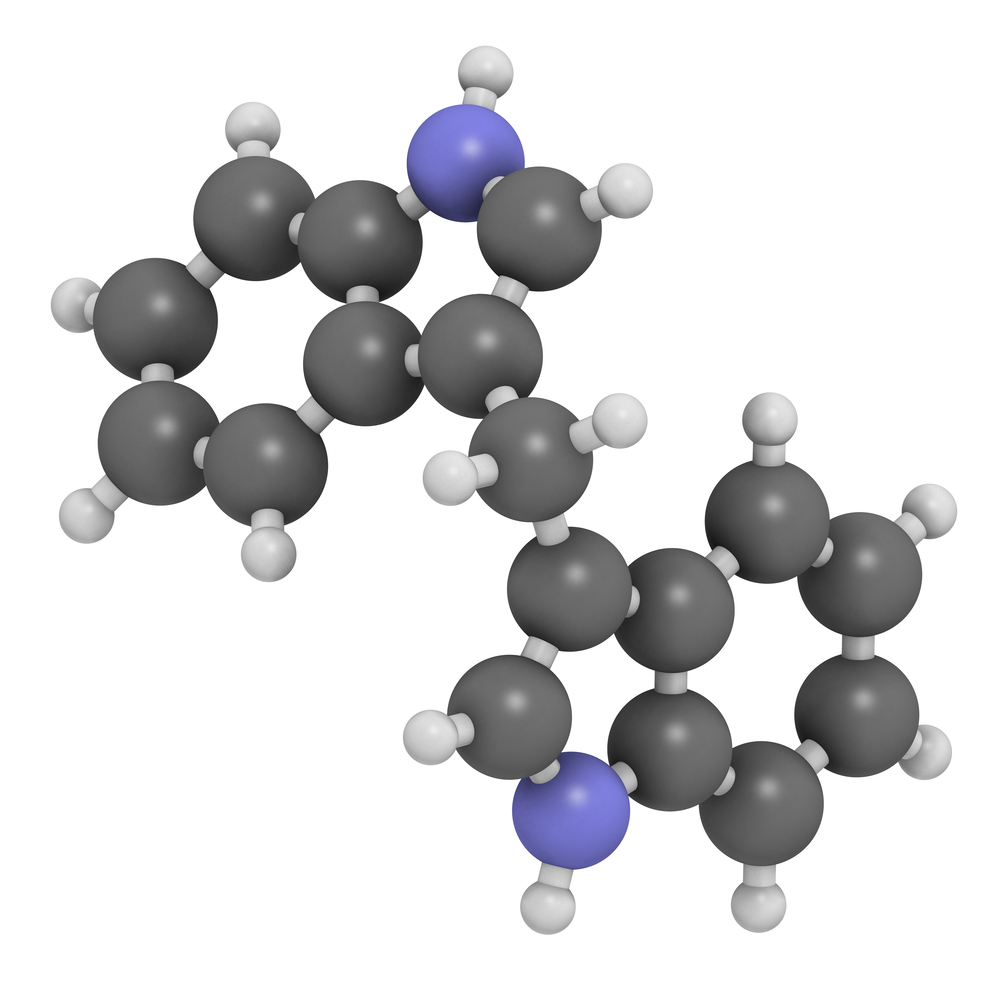
I was interested to come across an article in the medical press recently about a natural molecule that might deliver greater oral hygiene benefits for a wide range of people. The molecule is 3,3’-Diindolylmethane (DIM) – more affectionately known as bisindole. This occurs naturally when indole glucosinolates from certain vegetables decompose in the stomach.[i]
The latest research suggests that DIM has the ability to inhibit biofilm formation by Streptococcus mutans[ii] – which is considered the main agent in dental caries. Treating the area with DIM led to a 92% reduction in biofilm, as well as lowered extracellular substance production and decreased durability. These anti-biofilm properties could prove useful in the improvement of oral hygiene in the future. If DIM can be utilised within everyday oral hygiene solutions like toothpaste or mouthwash, it could offer a new level of protection for patients.
This is just one example of where dental product manufacturers and professionals have turned to nature for support in oral hygiene. Other naturally-occurring substances already used in dental products include:
- Xylitol – a natural, low-calorie sugar substitute with possible antioxidant properties
- Chitosan – a natural cationic polysaccharide used for antifungal and antimicrobial activities
- Hyaluronic acid – found in human cells, it is used in connective tissue grafts due to its high biocompatibility, hydrophilicity and non-immunogenicity[iii]
- Olive oil – which has anti-bacterial properties and plaque-fighting benefits[iv]
These are just some examples, but we have drawn inspiration from nature many times over the years in order to develop and refine dental products and techniques. Although more research is needed on bisindole and its applications for modern dentistry, it would be no surprise if the advantages of another natural substance could be harnessed for the dental good of the nation.


EndoCare, led by Dr Michael Sultan, is one of the UK’s most trusted Specialist Endodontist practices. Through the use of the latest technologies and techniques, the highly-trained team can offer exceptional standards of care – always putting the patient first. What’s more, EndoCare is a dependable referral centre, to which dentists from across the country send their patients for the best in specialist endodontic treatment.
[i] Biersack B. 3,3′-Diindolylmethane and its derivatives: nature-inspired strategies tackling drug resistant tumors by regulation of signal transduction, transcription factors and microRNAs. Cancer Drug Resist. 2020 Oct 12;3(4):867-878. doi: 10.20517/cdr.2020.53. PMID: 35582221; PMCID: PMC8992569.
[ii] Baruch Y, Golberg K, Sun Q, Yew-Hoong Gin K, Marks RS, Kushmaro A. 3,3′-Diindolylmethane (DIM): A Potential Therapeutic Agent against Cariogenic Streptococcus mutans Biofilm. Antibiotics. 2023; 12(6):1017. https://doi.org/10.3390/antibiotics12061017
[iii] Paradowska-Stolarz A, Wieckiewicz M, Owczarek A, Wezgowiec J. Natural Polymers for the Maintenance of Oral Health: Review of Recent Advances and Perspectives. Int J Mol Sci. 2021 Sep 25;22(19):10337. doi: 10.3390/ijms221910337. PMID: 34638678; PMCID: PMC8508910.
[iv] Shaikh S, Kumar SM. Beneficial effects of specific natural substances on oral health. Saudi Med J. 2017 Dec;38(12):1181-1189. doi: 10.15537/smj.2017.12.20516. PMID: 29209665; PMCID: PMC5787627.







