


High-quality, predictable endo
Featured Products Promotional FeaturesPosted by: Dental Design 5th November 2023
While many dentists and endodontists carry out root canal treatment on a regular basis, it can still be a high-risk procedure, and one which is perceived by the patient to be very painful. Even though, often times, pain can be managed effectively both during and following treatment, root canal treatment can cause patients stress and discomfort, and some may feel that they haven’t received the best care. As a clinician, it is your responsibility to ensure that the most appropriate steps have been taken at every stage, to minimise any risks to their health and to produce the best possible result for your patient.
The threat of litigation
Today’s dentistry is commonly intertwined with litigation, with some clinicians choosing to practice defensively to minimise the risk of patient complaints.[i] While some complaints are justified, with mistakes not an impossibility, at times, litigation could have been avoided with the correct steps in place. Dentists do all they can to provide the best possible care to their patients, but are still picked up by claimant lawyers if they have not taken the necessary actions to accurately document all events, conversations, and risks at every stage of a procedure or routine care. Because of this, communicating effectively with all patients, and taking comprehensive records (as outlined in the GDC Standards for the Dental Team[ii]) are crucial for providing patients with excellent results, and reducing the risk of complaints and litigation.
Communication and compliance
The majority of the time, litigation can be avoided when the appropriate guidance has been followed. By taking comprehensive clinical notes throughout the duration of the treatment, including planning and assessment stages, and taking preoperative radiographs where appropriate, you can demonstrate your compliance with all stages of treatment accurately recorded. However, there are some additional factors which can play a role in mitigating the risk of complaints – and of errors occurring during treatment.
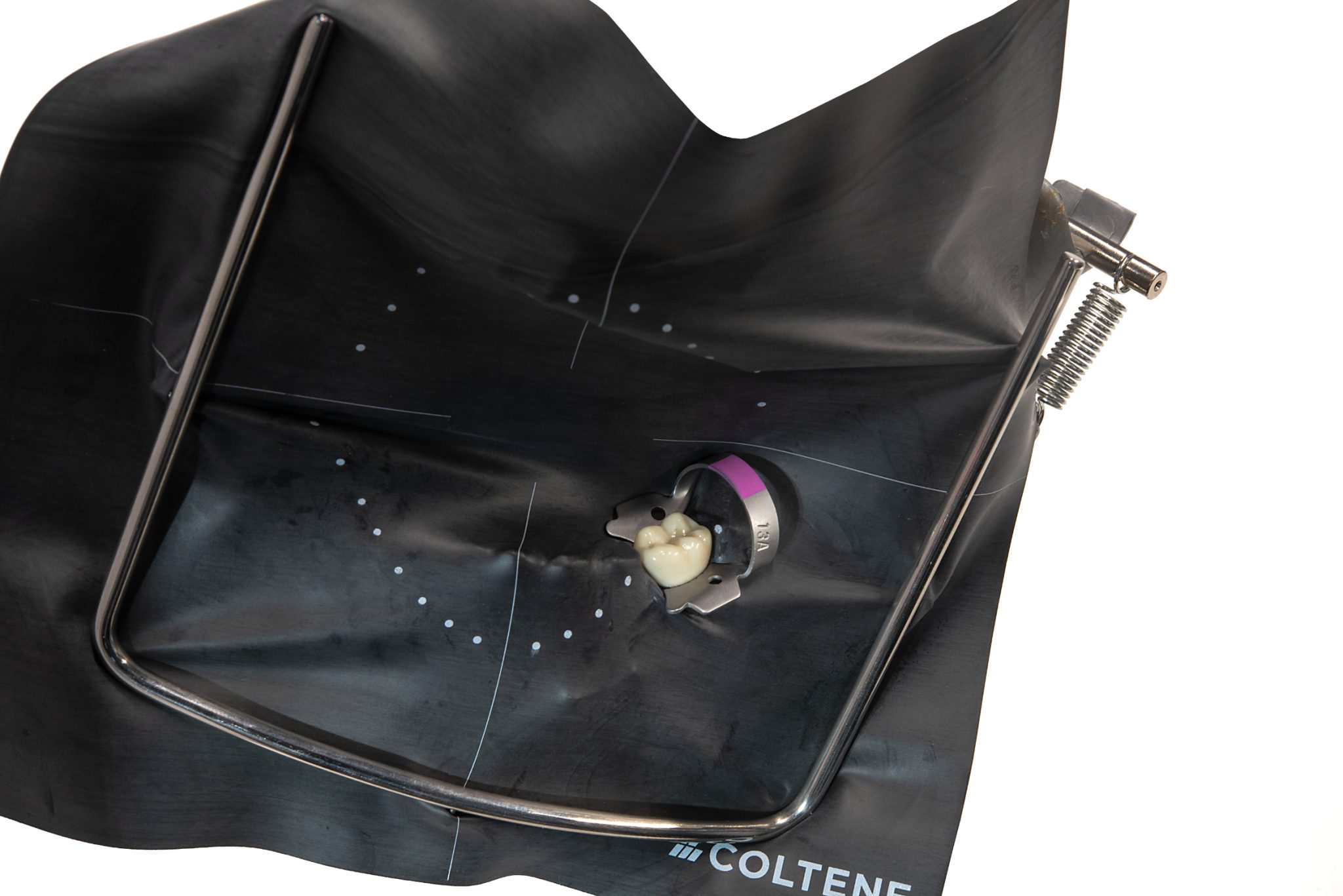
Rubber dams are essential during endodontic treatment, and some may consider not using one negligent. Not only do they reduce the risk of swallowing or inhaling debris, but they also provide a clean, dry operating field, improving visuals. Additionally, ensuring that you are qualified and competent to provide the treatment that you’re offering is essential.[iii] If you have any doubt in your abilities here, it is wise to refer the patient to a more experienced dentist or specialist, depending on the needs of the case.
Effective communication is also key. Even if the patient refuses care, and in turn, experiences issues, they may feel that they were unaware of the consequences of forgoing treatment. Because of this you must make it clear to the patient the risks and benefits of having/not having treatment, and what this might mean for them long-term – these are important conversations to record in the clinical notes too.[iv] Rising patient expectations also play a role here, which makes it crucial to clearly explain what a feasible outcome of endodontic treatment might be.[v]
Additionally, clearly communicate any risks which may occur following treatment. For example, root canal treatment can cause the teeth to become brittle, even in cases with excellent outcomes, so they must be prepared to receive further restorative treatment following endo, such as a crown or, in the long-term, a dental implant.
Using high-quality equipment to minimise risks
 In addition to following GDC recommendations, the use of high-quality equipment is important to further reduce the risk of errors during treatment, and subsequent legal action. As technology continues to develop, endo motors are becoming more advanced. It can be beneficial to introduce equipment which improves results and helps you to provide more predictable dentistry. The CanalPro™ Jeni endo motor from COLTENE is the ideal solution for providing more predictable endodontic treatment. The endo motor features a digital assistance system for root canal preparation, enabling it to guide you safely through the root canal, supporting the mechanical and chemical preparation steps. CanalPro™ Jeni also monitors root canal length, for more accurate and predictable preparation, and the endo motor will alert you using audio signals when it’s time to irrigate and change the file.
By implementing modern equipment in your practice, which supports you during root canal treatment, you can minimise the risks of errors during treatment. Using these systems is beneficial to help monitor progress throughout the duration of treatment, as well as irrigate at the best times, and change files when needed to reduce the risk of breakage. Communicating clearly with patients is also crucial. They must have all the information they need, explained to them in a way they understand, to ensure they can make an informed decision about their treatment. This means explaining the benefits, risks, and consequences of every option, along with any associated costs. Ensure that you are confident and competent to provide the treatment required, and take comprehensive notes at each stage of treatment.

For more on COLTENE, visit www.coltene.com,
email info.uk@coltene.com or call 0800 254 5115.

[i] Barrow, Hannah, et al. “Are the standards of professionalism expected in dentistry justified? Views of dental professionals and the public.” British Dental Journal 234.5 (2023): 329-333.
[ii] GDC. Standards for the Dental Team 4.1. Accessed July 23. https://standards.gdc-uk.org/pages/principle4/principle4.aspx
[iii] GDC. Standards for the Dental Team 7.2. Accessed July 23. https://standards.gdc-uk.org/pages/principle7/principle7.aspx
[iv] GDC. Standards for the Dental Team 2.2. Accessed July 23. https://standards.gdc-uk.org/pages/principle2/principle2.aspx
[v] Barrow, Hannah, et al. “Are the standards of professionalism expected in dentistry justified? Views of dental professionals and the public.” British Dental Journal 234.5 (2023): 329-333.







