


Regrowing teeth – is the dream still alive?
Featured Products Promotional FeaturesPosted by: Dental Design 21st December 2023
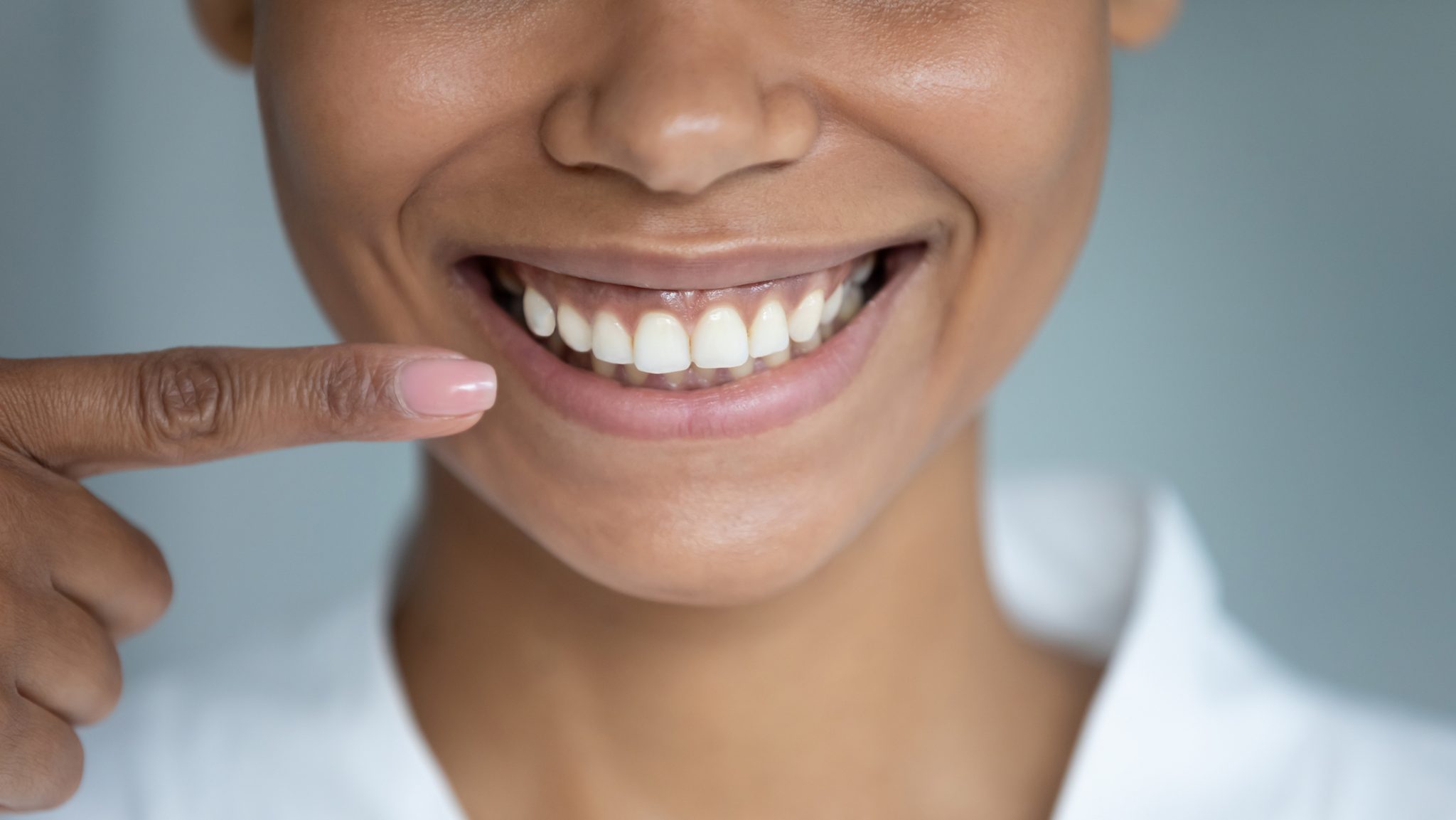
I was fascinated to read recently that a Japanese pharmaceutical company is looking to start human trials for a drug they suggest can ‘regrow teeth’.
Of course, looking into it all in a bit more detail, what researchers are actually doing is stimulating natural tooth growth in the mouth. They are focusing on tooth buds that are naturally-occurring below the gumline but not developing properly, and attempting to block the protein that stops this growth. ‘USAG-1’ protein is responsible for disrupting BMP and Wnt, which are both needed to stimulate tooth growth. The drug being developed will contain antibodies that stop USAG-1 from achieving this, enabling teeth to grow naturally.
Initial trials of the drug in mice found that a third generation of teeth could be stimulated by supressing this USAG-1 protein. The published findings reported that while tooth growth was re-established, the tooth germs developing were ‘not typical’ in shape or size.[i] This was followed up with studies in postnatal ferrets with both deciduous and permanent teeth – these showed supernumerary tooth formation in the maxillary incisors, this time with similar shape to that of a normal permanent incisor though with a shorter root.[ii]
All being well, human trials are due to begin in 2025 for children between 2- and 6-years-old with anodontia.
Though fascinating, this is not the only research of its kind. A paper from 2018[iii] looked at the possibility of using bioengineered tooth buds to ‘grow’ teeth. This found that the method proved promising, though further research would be needed to facilitate the growth of adequate dentine and enamel crystal structures, which were still lacking from the most recent investigation. Another line of study involves the manipulation of tooth stem cells to help repair teeth that have been damaged.[iv] Again, more in-depth research is still needed to see whether this could offer inroads to ‘growing teeth’.
As an endodontist who focuses on saving teeth, the ability to grow them back is an interesting one. The first option is, and should always be, to save what’s already there, whenever possible. But what happens if we as a profession gain the ability to grow back a tooth where another has a hopeless prognosis? Would this provide an alternative to a dental implant? Would the length of treatment time and/or cost of treatment prohibit its viability for some patients? Perhaps these barriers would be ironed out over time, ultimately providing our patients with even more choice.
As is true of all scientific breakthroughs, it is our place to be aware of the latest research findings and implications for dentistry, but to maintain caution before changing the way we practise. The ability to grow new teeth in place of those that are diseased or missing would support the holistic and minimally invasive dentistry we strive for. But the science is not ready yet, so for now, we wait.


EndoCare, led by Dr Michael Sultan, is one of the UK’s most trusted Specialist Endodontist practices. Through the use of the latest technologies and techniques, the highly-trained team can offer exceptional standards of care – always putting the patient first. What’s more, EndoCare is a dependable referral centre, to which dentists from across the country send their patients for the best in specialist endodontic treatment.
[i] Mishima, S., Takahashi, K., Kiso, H. et al. Local application of Usag-1 siRNA can promote tooth regeneration in Runx2-deficient mice. Sci Rep 11, 13674 (2021). https://doi.org/10.1038/s41598-021-93256-y
[ii] Murashima-Suginami A, Kiso H, Tokita Y, Mihara E, Nambu Y, Uozumi R, Tabata Y, Bessho K, Takagi J, Sugai M, Takahashi K. Anti-USAG-1 therapy for tooth regeneration through enhanced BMP signaling. Sci Adv. 2021 Feb 12;7(7):eabf1798. doi: 10.1126/sciadv.abf1798. PMID: 33579703; PMCID: PMC7880588.
[iii] Smith EE, Angstadt S, Monteiro N, Zhang W, Khademhosseini A, Yelick PC. Bioengineered Tooth Buds Exhibit Features of Natural Tooth Buds. J Dent Res. 2018 Sep;97(10):1144-1151. doi: 10.1177/0022034518779075. Epub 2018 Jun 7. PMID: 29879370; PMCID: PMC6169029.
[iv] Xuan K, Li B, Guo H, Sun W, Kou X, He X, Zhang Y, Sun J, Liu A, Liao L, Liu S, Liu W, Hu C, Shi S, Jin Y. Deciduous autologous tooth stem cells regenerate dental pulp after implantation into injured teeth. Sci Transl Med. 2018 Aug 22;10(455):eaaf3227. doi: 10.1126/scitranslmed.aaf3227. PMID: 30135248.







