



Preservation inspiration
Featured Products Promotional FeaturesPosted by: Dental Design 11th March 2024
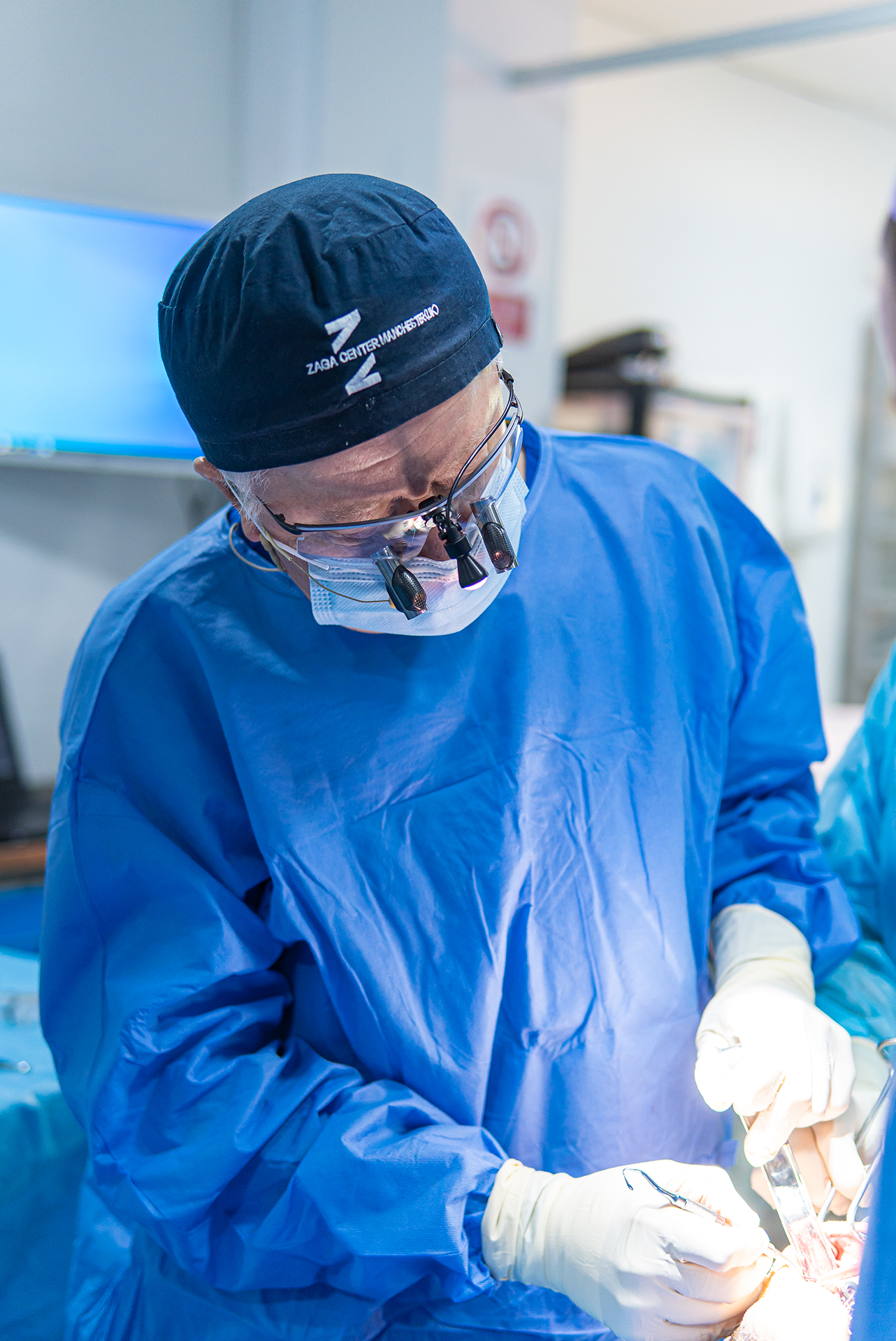
Socket preservation is a crucial technique to ensure successful dental implant treatment
Socket preservation is a critical technique in dentistry that is increasingly being used to maintain the integrity and dimensions of the alveolar socket following tooth extraction. This procedure plays a vital role in preparing the area for future dental implant placement or prosthetic restoration. Socket preservation aims to prevent bone loss, reduce post-operative complications, and enhance the overall success of subsequent dental procedures.[i]
To understand the significance of socket preservation, it is important to first grasp the anatomy of the alveolar socket. The alveolar socket is a bony space that houses the tooth root. This socket is surrounded by a thin layer of bone and is lined with bundle bone – a specialised bone tissue, which provides structural support for the teeth. When a tooth is extracted, the alveolar socket is left empty and exposed, leading to dimensional changes such as bone resorption and soft tissue collapse.[ii]
There are various socket preservation techniques that can be employed to prevent these complications and promote optimal healing. One commonly used technique involves the placement of a bone graft material into the empty socket. This can be done immediately after the extraction or during a second surgical procedure. The bone graft material serves as a scaffold for new bone formation and promotes the regeneration of lost bone in the socket.[iii]
Grafting materials
 There are several types of bone graft materials that can be used for socket preservation, including autografts, allografts, xenografts, and synthetic materials.[iv] Autografts involve harvesting bone from the patient’s own body, such as from the chin or the hip. Allografts are bone grafts obtained from a human donor, while xenografts are derived from animals, typically bovine or porcine sources. Synthetic materials, on the other hand, are created in a laboratory and can mimic the properties of natural bone.
Once the graft material is placed in the socket, it needs to be secured and protected to ensure successful healing. This can be achieved by covering the socket with a membrane, such as a resorbable collagen membrane or a non-resorbable titanium-reinforced membrane. The membrane acts as a barrier, preventing soft tissue invasion into the socket and promoting the growth of new bone.[v]
In addition to bone grafting and membrane placement, there are other socket preservation techniques that can be used to enhance the success of the procedure. One such technique is the use of platelet-rich fibrin (PRF), which involves processing a small sample of the patient’s own blood to obtain a fibrin matrix rich in growth factors and platelets. PRF can be placed into the socket to accelerate the healing process and promote the regeneration of bone and soft tissues.[vi]
Surgical technique
 Success of socket preservation is not limited to the use of graft materials and membranes. Other factors such as proper surgical technique, adequate haemostasis, and appropriate post-operative care also play a vital role in ensuring successful socket preservation. For instance, careful extraction techniques should be employed to minimise trauma to the surrounding tissues and prevent damage to the alveolar socket. Additionally, patients should be instructed to maintain excellent oral hygiene, avoid smoking, and follow any post-operative instructions provided by the dentist.[vii]
Socket preservation is essential for preserving the bone and soft tissue structures, promoting successful future dental procedures such as delayed dental implant placement. Alternatively, an implant can be placed immediately in a fresh extraction site. There are evidence-based indications and guidelines available when it comes to making a clinical decision about when to carry out socket preservation and when to place an implant immediately. By utilising various techniques such as bone grafting, membrane placement, and the use of growth factors, dentists can ensure optimal healing and prevent complications associated with socket extraction.
For those looking to improve their socket preservation techniques, an Advanced Certificate in Management of Tooth Loss: Immediate Implants vs Socket Preservation is a new course offered by ICE Postgraduate Dental Institute and Hospital/University of Salford. It is designed for both beginners and experienced implant dentists looking to expand their knowledge and clinical skills in tooth loss management. This includes minimally traumatic extraction techniques and socket preservation. The course, led by eminent specialist oral surgeon Professor Cemal Ucer, covers disuse atrophy, osseointegration and soft tissue management as well as immediate implant placement and loading using analogue or fully digital workflows.

Please contact Professor Ucer at ucer@icedental.institute or Mel Hay at mel@mdic.co
01612 371842
https://icedentalimplants.co.uk/

[i] Kim YK, Ku JK. Extraction socket preservation. J Korean Assoc Oral Maxillofac Surg. 2020 Dec 31;46(6):435-439. doi: 10.5125/jkaoms.2020.46.6.435. PMID: 33377470; PMCID: PMC7783174. [Accessed November 2023]
[ii] Udeabor SE, Heselich A, Al-Maawi S, Alqahtani AF, Sader R, Ghanaati S. Current Knowledge on the Healing of the Extraction Socket: A Narrative Review. Bioengineering. 2023; 10(10):1145. https://doi.org/10.3390/bioengineering10101145 [Accessed November 2023]
[iii] Alenazi A, Alotaibi AA, Aljaeidi Y, Alqhtani NR. The need for socket preservation: a systematic review. J Med Life. 2022 Mar;15(3):309-312. doi: 10.25122/jml-2021-0308. PMID: 35450006; PMCID: PMC9015182. [Accessed November 2023]
[iv] Kumar P, Vinitha B, Fathima G. Bone grafts in dentistry. J Pharm Bioallied Sci. 2013 Jun;5(Suppl 1):S125-7. doi: 10.4103/0975-7406.113312. PMID: 23946565; PMCID: PMC3722694. [Accessed November 2023]
[v] de Carvalho Formiga M, Dayube URC, Chiapetti CK, de Rossi Figueiredo D, Shibli JA. Socket Preservation Using a (Dense) PTFE Barrier with or without Xenograft Material: A Randomized Clinical Trial. Materials (Basel). 2019 Sep 8;12(18):2902. doi: 10.3390/ma12182902. PMID: 31500375; PMCID: PMC6766191. [Accessed November 2023]
[vi] Han SL, Zhou HG, Li N, Zhang XH, Chen HH. Research progress of platelet-rich fibrin in alveolar ridge preservation. Rev Assoc Med Bras (1992). 2022 Aug;68(8):1115-1119. doi: 10.1590/1806-9282.20211383. PMID: 36134841; PMCID: PMC9574995. [Accesssed November 2023]
[vii] Oral Health Foundation, https://www.dentalhealth.org/what-to-do-following-an-extraction







