



Evaluating bioceramic root canal sealers
Featured Products Promotional FeaturesPosted by: Dental Design 24th March 2024
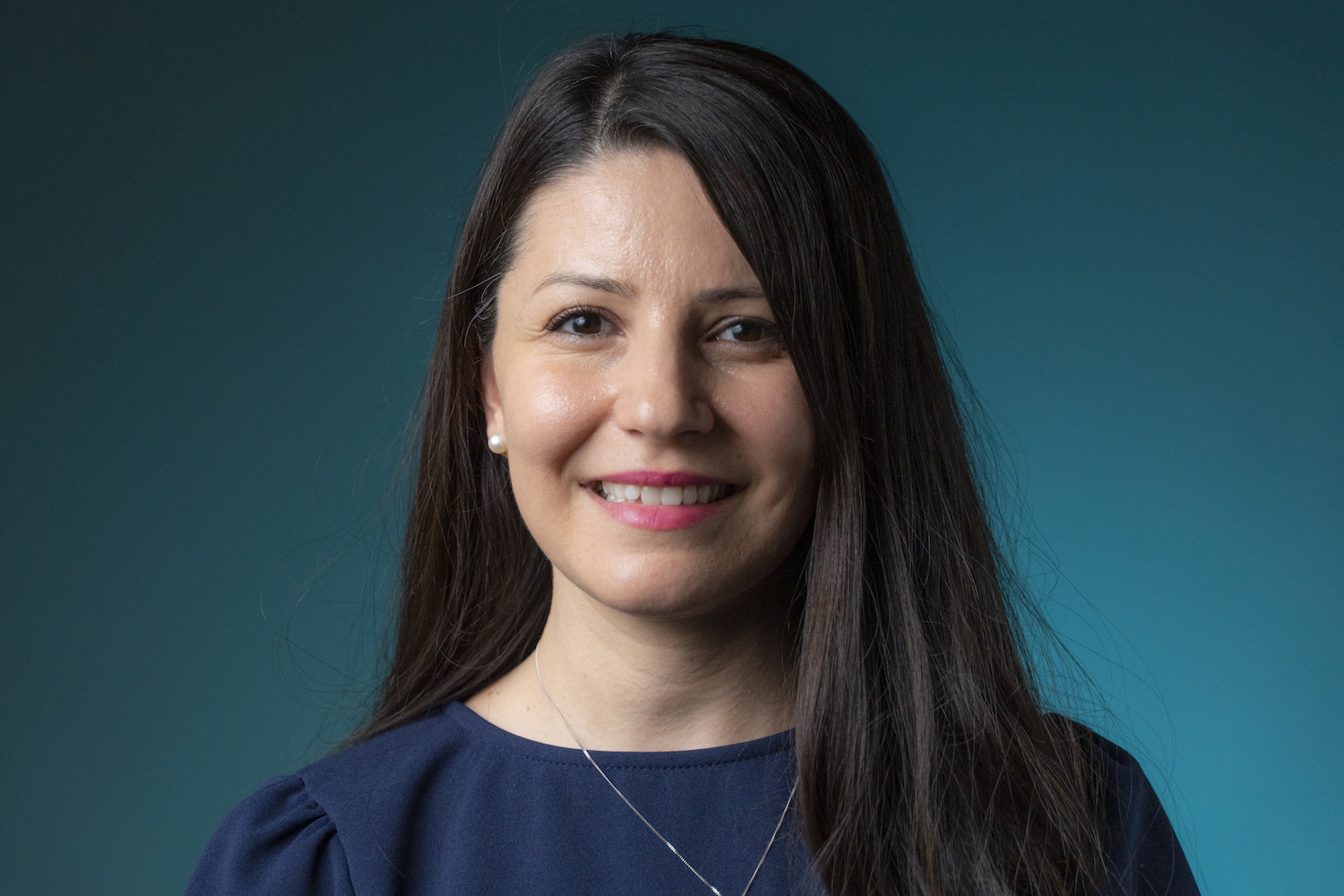
Author: Dr Asmaa Al-Taie [FDS (Rest. Dent) RCS (Ed) and MPros RCS (Ed), PhD, MSc (Distinction), MFDS RCS (Ed), BDS]
Calcium-silicate “bio-ceramic” based root canal sealers have emerged as promising options for the obturation of root canal treated teeth. They have unique properties when compared to traditional sealers due to their biocompatibility, antimicrobial activity and excellent sealing ability as well as bioactive potential to stimulate healing and bone regeneration.[i],[ii] Additionally, their hydrophilic nature allows the sealer to set in a humid environment in addition to improving its wettability and the quality of the seal. Therefore, due to the appealing biological properties of bio-ceramic sealers, in addition to the reduced clinical time they require, they gained significant attention in the field of endodontics, particularly in to context of single cone obturation. However, limited evidence is available on the sealing quality of these new single-cone root fillings when compared with conventional obturation techniques.
Identifying the benefits of biocompatibility
The evolution of root canal sealers over the years has presented clinicians with a wealth of innovation and possibility. Conventional materials include zinc oxide eugenol which provides a sedative effect in deep preparations, but has a low compressive strength.[iii] Contemporary options include epoxy-based resin and methacrylate-resin based sealers, in addition to mineral trioxide aggregate (MTA) and bioceramic sealers. These biocompatible options have opened up opportunities to demonstrate the ways in which endodontic sealers can offer even more than creating a seal – they have the ability to mineralise by forming hydroxyapatite crystals.[iv]
The biocompatibility of root canal sealers is of great importance, as the material is placed in direct contact with the root canal tissue. The way the dental tissues respond to sealer materials is essential for a successful endodontic treatment outcome.[v] The importance of using biocompatible materials in dentistry has been increasingly discussed in recent years. This increased recognition of the ways in which patients’ natural tissues may react to certain materials and techniques, producing an immune response and, ultimately, treatment failure, has prompted clinicians to make these same considerations in practice.[vi]
Investigating the efficacy of bioceramic root canal sealers
The aim of my research[vii],[viii] was to investigate the sealing ability of commercial bio-ceramic based root canal sealers using the single matched cone obturation technique compared to cold lateral compaction technique. The quality of the obturation was evaluated using a state-of-the-art micro-CT analysis method, looking at the percentage of voids within the obturated canals.
The outcome of this study showed promising results that certain bioceramic-based root canal sealers can be used with the single matched cone technique, producing superior/similar outcomes to cold lateral compaction technique while being quicker to carry out. However, it is important to emphasise that the use of the single matched cone technique should be used with caution, particularly in teeth with wide root canals.
Research to further academic career
Applying and securing the British Endodontic Society (BES) Grant for Research Work was a valuable opportunity that helped me conduct my research[ix],[x] evaluating the newly introduced bioceramic root canal sealers. I had a very positive experience from submission to award, and excellent communication with the grant review committee throughout the entire duration of the process.
The British Endodontic Society (BES) Grant for Research Work allowed me to perform my research study to high standards using state-of-the-art research facilities. Winning this grant was greatly beneficial to my academic career. It allowed me to expand my research portfolio and generate high quality research output. Additionally, I had the opportunity to present my research internationally at the European Society for Endodontology Biennial Congress (Helsinki, Finland 2023), this allowed me to foster collaboration with experts in this field enhancing my professional development. Having been successful in this grant award will help me secure future opportunities to attract further research funding will which help my academic progression to associate professor in Restorative Dentistry.
Continuing education and community
Being a member of the BES has provided me with an excellent platform for professional networking, as well as the opportunity to enter for the BES Prizes and Research Awards which were key for my career development. Additionally, membership of the BES provides access to rich educational resources, including a monthly copy of the International Endodontic Journal, clinical guidelines, lecture series, and study clubs. Overall, being a member of the BES contributes to a well-rounded and supported professional experience.
By investigating the efficacy of bioceramic endodontic sealers, clinicians have access to the research resources they need to make informed decisions regarding the materials they use in practice. With evidence detailing the presence of voids found in each area of the root canal, clinicians can use this research to make decisions about the obturation techniques they should use, and the type of material they choose.

For more information about the BES, or to join, please visit the website
www.britishendodonticsociety.org.uk or call 01494 581542
[i] Sanz, J. L. et al. (2019) ‘Bioactivity of Bioceramic Materials Used in the Dentin-Pulp Complex Therapy: A Systematic Review’, Materials (Basel)
[ii] Camilleri, J. et al. (2022) ‘Present status and future directions: Hydraulic materials for endodontic use.’, International Endodontic Journal. England, 55 Suppl 3(Suppl 3), pp. 710–777. doi: 10.1111/iej.13709.
[iii] https://www.sciencedirect.com/topics/medicine-and-dentistry/zinc-oxide-eugenol
[iv] Tyagi, Sanjeev, Priyesh Mishra, and Parimala Tyagi. “Evolution of root canal sealers: An insight story.” European Journal of General Dentistry 2.03 (2013): 199-218.
[v] Rathi, Chanchal Harikishor, et al. “Functions of root canal sealers-a review.” J Evolution Med Dent Sci 9.17 (2020): 1454-58.
[vi] Vazquez-Tibau, Anita, and Blanche D. Grube. “Biocompatibility in Dentistry: A Mini Review.” Mod Res Dent 6.4 (2021): 49-54.
[vii] A.Altaie, L.Hassouneh and D.J.Wood. Micro-CT assessment of the sealing ability of BioRoot RCS using two root canal obturation techniques. School of Dentistry, University of Leeds, Leeds, UK. 2019
[viii] Almeshari, Saleh Abdullah A. Micro-CT assessment of the sealing ability of bio-ceramic root canal sealers. Diss. University of Leeds, 2020.
[ix] A.Altaie, L.Hassouneh and D.J.Wood. Micro-CT assessment of the sealing ability of BioRoot RCS using two root canal obturation techniques. School of Dentistry, University of Leeds, Leeds, UK. 2019
[x] Almeshari, Saleh Abdullah A. Micro-CT assessment of the sealing ability of bio-ceramic root canal sealers. Diss. University of Leeds, 2020.







