


Helping them say ‘yes’
Featured Products Promotional FeaturesPosted by: Dental Design 18th October 2020
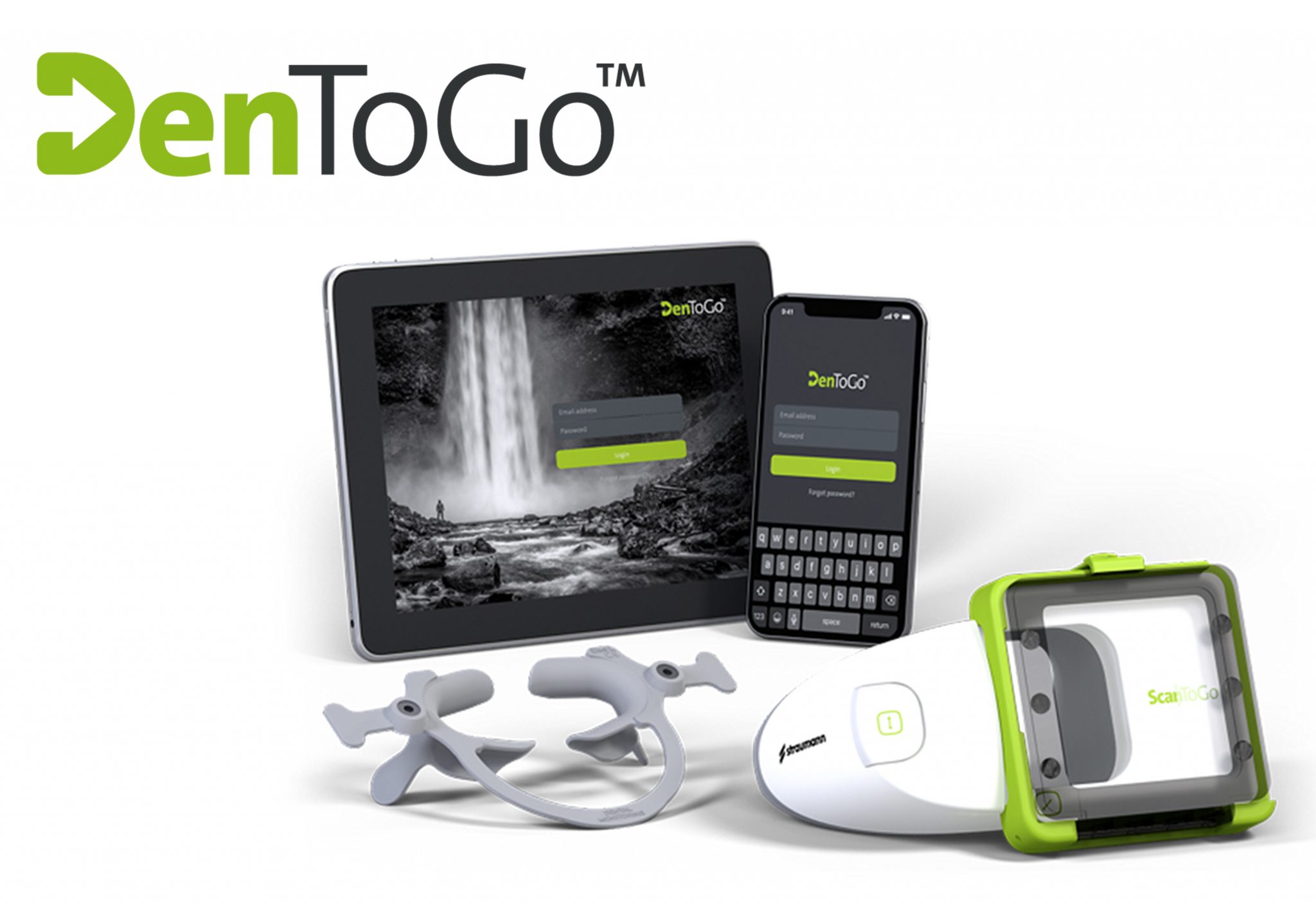
The field of dentistry has always been care-driven. However, the dental practice is also a business, so efficiency and profitability are important for continued stability. Even greater emphasis is currently being placed on streamlining processes and simplifying workflows, as practices attempt to recover from the unexpected and prolonged downtime experienced through the spring/summer of 2020. This, combined with new regulations that restricted daily productivity of practices upon re-opening, means that every minute and every penny count. By improving treatment acceptance among patients, you can ensure that more people receive the care they need and the future of your business is protected.
Overcoming barriers to treatment acceptance
How many times have you conducted a comprehensive new patient consultation to discuss treatment they expressed interest in and then never heard from them again? This is not only a waste of your time, but it also means that patient might be missing out on treatment that could benefit their health and/or self-esteem. It also prevents you from seeing someone else during that time.
There are various reasons why patients might not proceed with the treatment they originally enquired about.
Lack of understanding/dental education
In some cases, patients don’t return because they just don’t understand the treatment being proposed, or the reason for needing it. Helping them appreciate their dental condition, as well as properly educating them on the benefits of potential procedures, will help them make the right decision for them. This largely comes down to how information is communicated, so using simple language and visual aids like images and simulations can help significantly.
Treatment doesn’t address their chief concern
Patients will often be more concerned by some areas of their mouth than others. When considering the aesthetics of their smile, they may not effectively communicate what they dislike the most and what they are happy to live with. As a result, you might suggest treatment that does not address their chief complaints. To overcome this, it’s important to engage with the patient and encourage them to share their objectives for treatment. It can also help to give them time to digest the information provided in the initial assessment – if they can review it in their own time, they are more likely to realise the benefits available.
Cost
The cost of treatment will always be a potential barrier for some patients. It is particularly relevant for those who are being especially careful with their spending after a tight few months. While it is important to discuss fees with patients, this should not be the focus. Instead, they need to understand the value of treatment. Discuss how the outcome will improve their quality of life, how it will boost their confidence and how it could reduce the need for more complex or expensive procedures in the future. It’s also advantageous to demonstrate all the support and additional services included to help them protect their investment and enjoy the results of treatment for longer.
Number of practice visits
Time is a precious commodity for everyone and dental patients have always appreciated treatment that encroaches as little as possible on their daily lives. With concerns remaining high among the population regarding risk of infection and personal safety, the promise of multiple practice visits could discourage them further from proceeding a long course of dental treatment. To combat this, finding ways of reducing the need for physical appointments could substantially increase treatment uptake.
Realising the potential
Thankfully, there are various ways of overcoming the potential hurdles that prevent patients from accepting dental treatment. A key solution that improves nearly every aspect of the patient journey is virtual assessment and monitoring technology. Take DenToGo™ from the Straumann Group. This innovative software optimises efficiency, enhances patient engagement and education, reduces costs and minimises the number of practice visits required. The Virtual Check creates an-easy-to-understand dental health report generated by artificial intelligence (AI) algorithms. Once checked by the clinician, the patient has access to this report and can explore the information to better understand both their current oral health status and the options available to them. This can be followed up with a virtual consultation with a dental professional to answer any questions and determine the patient’s treatment objectives. Any resulting practice visits are booked mostly by patients with a keen interest in proceeding, which significantly increases treatment uptake. Beyond this, remote treatment monitoring minimises appointments without compromising the quality of care provided.
One dentist reported that of the 200 patients he engaged with through virtual assessments and consultations, 28 commenced treatment within one month of the practice re-opening. He attributes much of the 104% bounce-back his practice experienced in terms of gross income within the first month it re-opened to the virtual services he was able to provide while closed.
Say yes
By helping patients say ‘yes’ to dental treatment that will improve everything from their oral health to their self-esteem, you help them enhance their quality of life. Virtual assessment and treatment monitoring solutions could play a big part in boosting treatment acceptance in your practice. Enhance your patient care and protect the future of your business by saying ‘yes’ to virtual innovation today.
For more information, please visit www.straumanngroup-uk.co/dentogo







