


A new way of doing things
Featured Products Promotional FeaturesPosted by: Dental Design 1st November 2020
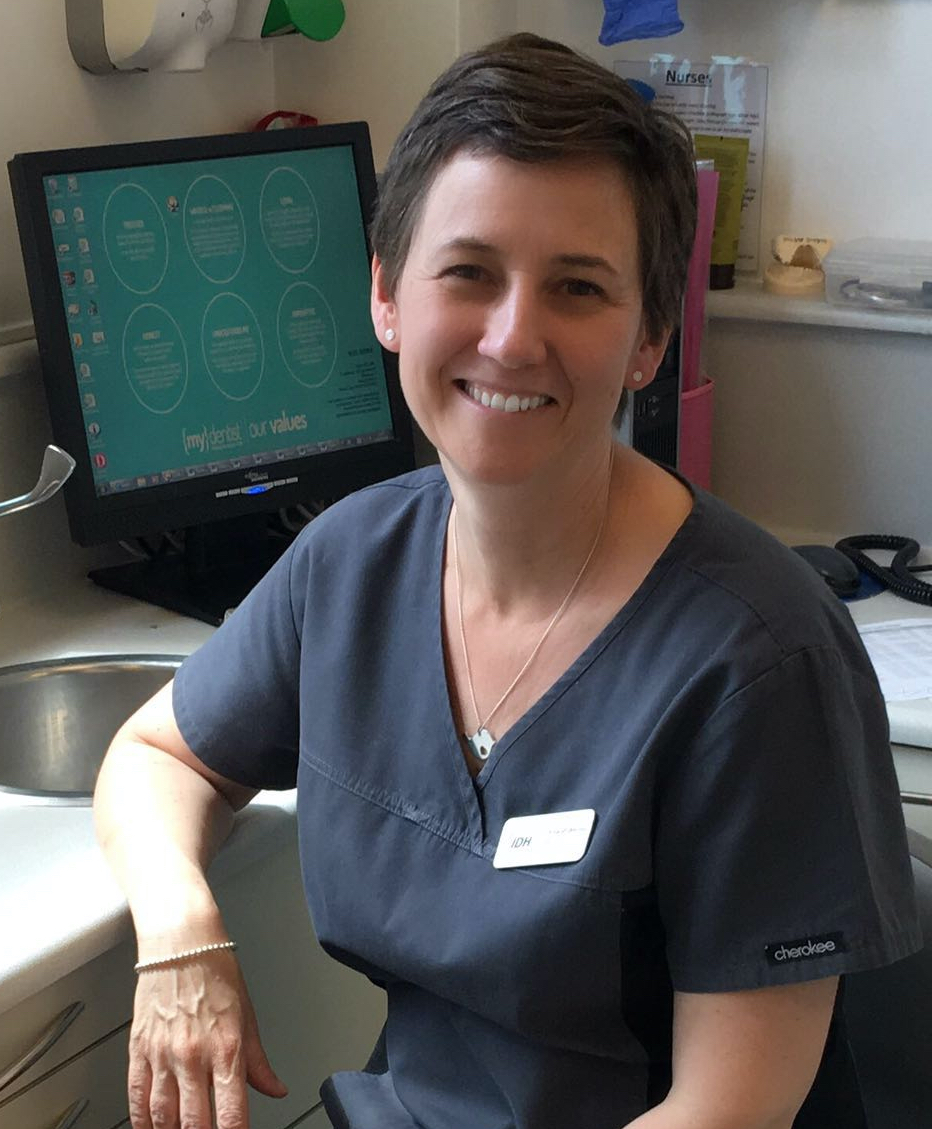
Dr Sarah Weston, from Woodbridge, presents the first removable orthodontic case she completed with the support of DenToGo™ remote treatment monitoring technology from the Straumann Group.
A 36-year-old female patient was referred to me internally by a colleague she had visited regularly over the past few years. Her main concerns were crowding and the overall aesthetics of her smile. The patient worked as a pilates instructor and as she was speaking in front of people a lot, she was conscious of her teeth every day. She was also a mother to young children and therefore sought a hassle-free treatment solution that wouldn’t take too much time out of her daily life.
When discussing her concerns, the patient advised that she’d never liked how her teeth looked and she was not aware of having undergone any orthodontic treatment previously.
A comprehensive intra-and extra-oral examination was performed. There was a premolar missing in each quadrant, which suggested that the patient may have actually received orthodontics as a child and the teeth had simply relapsed. Four small and very old occlusal fillings were recorded in the posterior teeth, but otherwise the dentition was unrestored. No periodontal problems were identified and the patient had already had a bite wing performed within the last 12 months, so there were no issues there.
All the possible treatment options were discussed with the patient. She had already expressed an interest in removable orthodontics, as this was the reason for her referral to me. The 3D treatment set-up for ClearCorrect® (Straumann Group) requires no upfront fee, so we proceeded to take the appropriate clinical photographs and impressions for this.
While this case was ideal for treatment with clear aligners – given the mild crowding present – it is important that patients understand any potential compromises in the possible outcome with removable orthodontics. The ClearCorrect® set-up creates a simulation of the predicted final result and it is then up to the patient whether they can accept this, or if they require different treatment to achieve a better outcome. This helps with consent and treatment acceptance.
This patient was very happy to proceed, so the clear aligners were ordered.
Treatment
Orthodontic treatment commenced in November 2019. The patient was initially returning to the practice every four weeks for review and for the next aligners in the sequence. From the second appointment onwards, we also placed attachments in order to encourage tooth movement once the patient had become slightly more accustomed to wearing the aligners. Interproximal reduction (IPR) was performed as and when necessary. The patient’s last appointment before lockdown was in February 2020.
Of course, we then needed to find a new way of doing things. The patient proceeded to use the last two aligners she had left and then just kept wearing the last one as a retainer to prevent any relapse. When practices were allowed to re-open in early July, I was given the opportunity to pilot the DenToGo™ remote treatment monitoring system, which I in turn offered to the patient. She accepted, came in to collect the scan box and the next selection of clear aligners, and was able to continue treatment. Like several subsequent patients who have tried the DenToGo™ system, she had no problems in using the scan box or the app – I haven’t had to demonstrate it once and I have provided it to patients of all ages.
Staying in contact with the patient remotely proved very simple. She was consistent in uploading her photos on time and I had no issues with the technology on my end. At one point, the patient received a message from the artificial intelligence (AI)-generated reports about a build-up of calculus, so she came in for hand scaling, but that was it.
From the final scan, retainers were ordered for the patient in August 2020, when alignment was complete.
Conclusion
This was a textbook case for treatment with clear aligners and DenToGo™ remote treatment monitoring – both the patient and I were very pleased with the final result.
For any clinicians starting out with ClearCorrect® or any other clear aligner system, case selection is really important. It’s vital to begin with simple cases to see what can be achieved and build from there.
As for those considering DenToGo™, go for it! I haven’t seen any downsides to using this with my patients. For the dentist, it frees up valuable time in the surgery, which is particularly important right now while we’re trying to do a lot in a short space of time. DenToGo™ remote treatment monitoring allows us to make the very most of our time. Plus, patients like not having to visit the practice so regularly – it is a game-changer for dentistry.
Case images


For details about ClearCorrect®, please visit https://www.straumann.com/clearcorrect/en/home.html
For more information on DenToGo™, please visit www.straumanngroup-uk.co/dentogo







