


Optimising the remote dental workflow
Featured Products Promotional FeaturesPosted by: Dental Design 12th November 2020
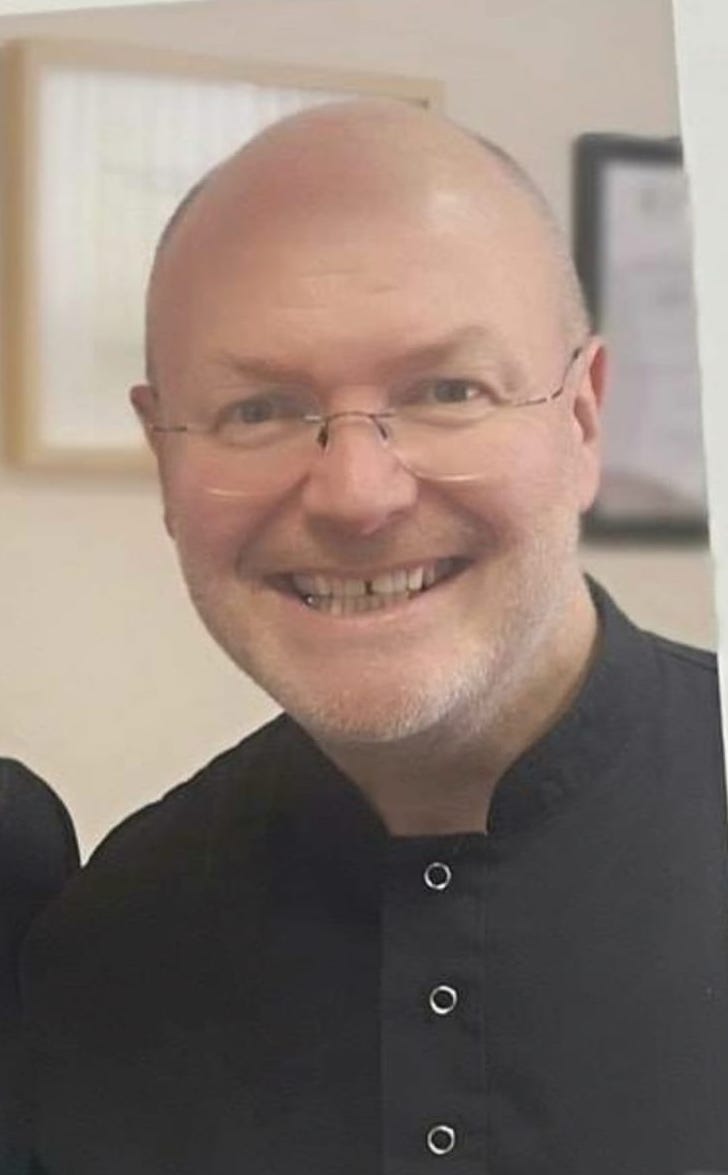
Dr Jonathan Allsopp has already demonstrated the significant benefits afforded by successful implementation of virtual assessment and treatment monitoring for his orthodontic patients. The more than 130% business bounce-back he experienced in the two months since re-opening his practice will be attractive to many principals. In the second of his two-part series, Dr Allsopp analyses the accuracy of the workflow in his experienced hands and offers some advice to help others make the most of remote dental tools to deliver safe and effective orthodontic treatment.
I am a Specialist Orthodontist and a scientist. This means that I need to know that the processes and technologies I use work, so I wanted to validate the remote assessment and treatment monitoring workflow. The benefits in terms of unprecedented treatment acceptance rates, patient engagement and business revenue became apparent very quickly. Having a validated workflow to achieve all of this is amazing.
Accuracy of virtually generated treatment plans
As you may know, the whole process begins with the patient uploading a set of five photos to the DenToGo™ Virtual Check (Straumann Group) software via our website – upper arch, lower arch, anterior closed bite in smile, closed bite retracted right lateral and closed bite retracted right lateral. The artificial intelligence (AI) technology generates a report from these that covers oral health, treatment need and possible treatment options.
In order to validate the entire remote workflow, it was important to me to determine the accuracy of this AI-generated report. I therefore conducted a pilot analysis of the first 20 patients that attended a comprehensive consultation in the practice.
Of those 20 patients, 18 of the virtual plans aligned exactly with the final treatment plan offered after all the necessary radiographs, clinical photos and intraoral scans. One plan was adjusted in terms of the extraction pattern due to radiographic findings, but all other steps remained the same. Only one treatment plan was changed completely from a non-extraction case to an extraction case.
Since then, we have welcomed a total of around 60 patients into the practice for consultations, giving us even more data to analyse. The scientist in me wanted a quantitative outcome, so I performed a Fishers exact test to determine the statistical significance of my results. This established p<0.05 chi-squared, confirming a statistically significant correlation. The virtual plan has been exactly the same as the treatment provided in reality for approximately 95% of our cases so far.
Understanding limitations
The capabilities of this software are incredible. However, it is crucial to appreciate that, though minor, there are limitations to what this technology can do. For example, the photos initially uploaded by the patient for the AI-generated report do not include facial images with the lips or side profiles. These are important for orthodontic treatment planning, especially where there are questions about suitability of treatment. Of course, these will be taken as part of the clinical photographs during the practice consultation, overcoming the issue. Many cases are also fairly clear-cut for the experienced clinician assessing the five photographed views provided.
Clinician experience and support
To achieve the very best results with this virtual workflow, clinician experience and access to support is crucial. These tools give you a feel for what is needed, but you need clinical experience to be able to work with them optimally. I believe there is great benefit in seeking support or guidance from colleagues who are familiar with the technology when introducing it into your own practice for the first time. This ensures the safety of treatment, as well as the reliability and accuracy of the workflow.
Image quality
For the AI to produce a predictable initial report, the quality of the images submitted by patients is key. I have found the majority of photos – at least 80% – to be adequate. In cases where the images are not good enough for the AI to provide an accurate enough assessment (usually where the patient does not bite properly), we have simply contacted them directly and resumed the traditional patient journey. When possible, we also send out cheek retractors so patients can take better photos, though this tends to be more appropriate for remote treatment monitoring than the initial enquiry, for obvious reasons.
A win-win
Once you have all your ducks in a row, remote assessment and treatment monitoring technology is a win-win for patients, dental practitioners and dental practices. Patients have access to treatment information and basic assessment tools, not only free-of-charge, but also with the added convenience of not having to go anywhere or see anyone in person. Dentists and their businesses benefit from increased patient engagement and maximised conversion rates, as well as a streamlined workflow that enables them to optimise surgery time – despite the regulatory restrictions we currently face.
We are already looking to utilise this remote DenToGo™ workflow in other areas of the business – for patients who express an interest in dental implants, for example. I honestly believe remote assessment and treatment monitoring is the future of dentistry. With the right training and support, this technology offers experienced clinicians a new way of working that benefits everyone.
For more information, please visit www.straumanngroup-uk.co/dentogo







