


Why elderly patients must be encouraged to say “yes” to endo
Featured Products Promotional FeaturesPosted by: Dental Design 2nd June 2021
It is never too late to enjoy the transformative power of dental treatment. For elderly patients, they will have seen how much dentistry has evolved during their lifetimes and now, with your support, they will understand the importance of regular maintenance visits and correct cleaning. Never underestimate the loyalty of older patients, many of whom will have established their trust in you and will be receptive to new advice. We are seeing more tooth retention in people aged 65 and over, and this is encouraging, but we also know that this group’s needs will change, and become more complex, as they get older.[i]
When you are with these patients, it’s about praising their efforts, while reminding them that the natural ageing process will lead to oral changes which may require interceptive treatment. This doesn’t mean they have failed to look after their teeth properly, and they should not feel disheartened. Modern dental treatment is preventive, a means by which to stay on the right track to health and should always be framed as a positive choice.
Even exemplary patients need to stay on track
Your older patients need to understand that, even if their dental hygiene is exemplary, the impact of years of wear and tear will require monitoring and, occasionally, an intervention to stop a more serious issue developing. Over time, changes to their teeth, periodontium, oral mucosa, salivary glands, also to their oral motor and sensory function, will occur.[ii] As well as “normal” degeneration, previous restorative work which was not as concerned about preserving healthy tooth as modern methods are, can present another challenge. Not every problem will be one they can see or feel; elderly people are more prone to caries, including root caries, which can often be painless.[iii] Age-related changes in the “pulpo-dentinal complex” include a thicker pre-dentine layer, the pulp space having reduced dimensions and dentine that is “more likely to have cracks within its structure”.[iv] Pulpitis
can often be undetected until the infection has set in, and urgent attention is needed. The patient will then need to decide if they want to save the tooth, or have it extracted.
Good patient-clinician relationships always mean better outcomes and never is this truer than when you’re taking care of elderly people. A supportive, empathetic and highly personal approach is needed to ensure they keep going with their at-home oral care, but also accept that they may need a bit more help as they get older.
Preventive care in action
If endodontic therapy is recommended, you want them to say “yes”. A recommendation of root canal work represents treatment that, with proper maintenance, will offer years of future protection; this is best-practice preventive care in action and is worth investing in. What is key is that a patient knows the aims of root canal therapy are the same, no matter how old they are: to eliminate the infection, prevent reinfection and promote healing.[v]
 Use treatment planning to assure them endodontic therapy is the most efficient, ethical and predictable way to restore a tooth. Losing a tooth can have significant physical and emotional impacts; even the thought of extraction can be traumatic. When delivered by a specialist, endodontic therapy will successfully allow a patient to avoid these impacts in years to come.
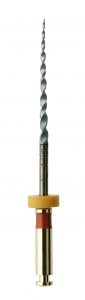
Give them the full picture. Make sure they understand what is required of them, to keep their treated tooth stable. Give them many opportunities to ask questions – this is where virtual consultations can be useful, as patients often feel less intimidated in non-clinical settings. They can also have a friend or family member to sit with them. Show them that you know your tools – explain what you are going to use to make the process as efficient as possible, as well as a success. The latest tools mean the words “root canal therapy” don’t need to frighten anyone anymore; COLTENE has an endodontic range that supports patient comfort and stable outcomes. Its flexible HyFlex™ EDM file sequence means you’ll only need one or two to complete treatment, it now includes the REMOVER file for highly ethical, non-surgical retreatments; the innovative CanalPro™ Jeni offers digital assistance in the root canal in a combined endometer/apex locator. The tools are perfect for use with older patients, because they allow for cost-effective, predictable treatment delivery, so they can leave the practice happy and ready to get on with enjoying life.
Elderly patients require tailored care that will give them the best chance of maintaining good health and wellbeing for years to come. Endodontic therapy can keep a tooth in function, as well as prevent future problems which could have far more serious consequences. It’s quick, comfortable and the latest tools allow endodontic specialists to deliver upgraded, safe and enduring treatment – at any age, this is what every patient deserves.
For more on COLTENE, visit www.coltene.com,
email info.uk@coltene.com or call 0800 254 5115.
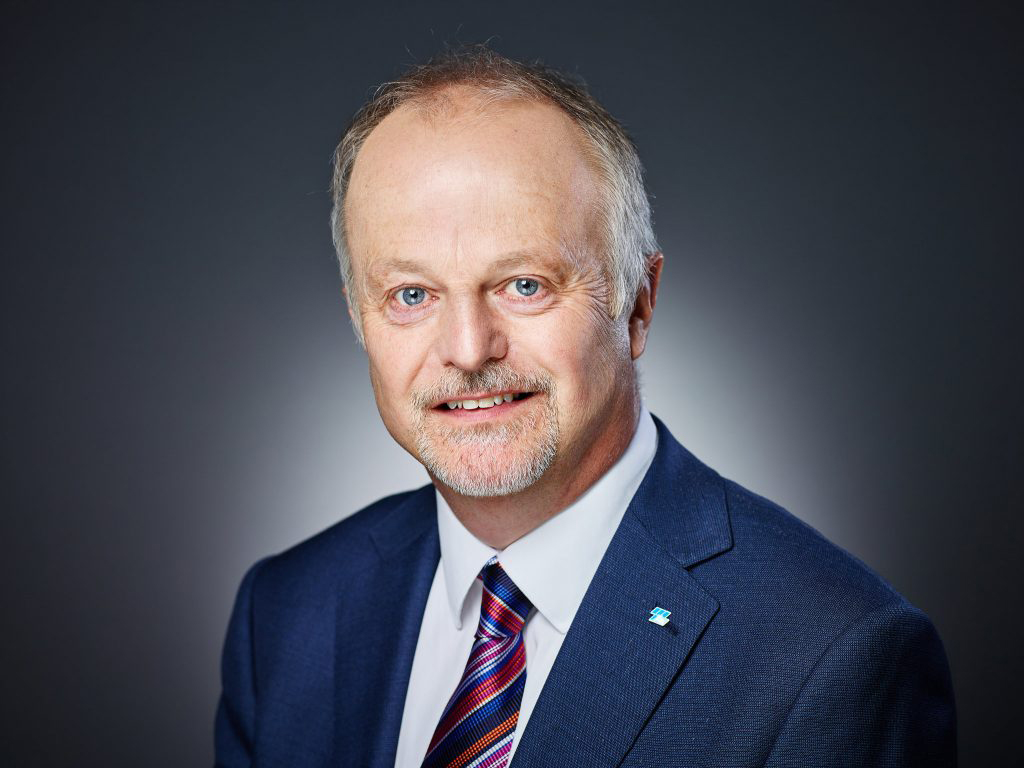
Author: Mark Allen, General Manager at COLTENE
[i] Walls AW, Steele JG. Geriatric oral health issues in the United Kingdom. International Dental Journal. 2001 Jun 1;51: 183-7.
[ii] De Rossi SS, Slaughter YA. Oral changes in older patients: A clinician’s guide. Quintessence International. 2007 Oct 1;38 (9).
[iii] Griffin SO, Jones JA, Brunson D, Griffin PM, Bailey WD. Burden of oral disease among older adults and implications for public health priorities. American Journal of Public Health. 2012;102(3):411-8.
[iv] Johnstone M, Parashos P. Endodontics and the ageing patient. Australian Dental Journal. 2015 Mar; 60:20-7.
[v] Australian Dental Journal. 2015 Mar; 60:20-7.







