


Helping patients combat plaque biofilm
Featured Products Promotional FeaturesPosted by: Dental Design 18th November 2021
Plaque biofilm plays a central role in the progression of gum disease and dental caries in patients. [i] With cavities affecting a staggering 82% of adults under 35, [ii] it is evident that patients need to take steps to protect themselves against a build-up of plaque and the resulting oral health issues. Fortunately, there is a simple yet effective, clinically-proven solution found within the Arm and HammerTM range of toothpastes: baking soda.
What is plaque biofilm?
When established on the tooth surface, biofilm harbours and protects plaque bacteria in an organic matrix comprised of polysaccharides, proteins, and DNA. [iii] It is these plaque bacteria that contribute to the majority of caries and gingival disease experienced today. i
How can plaque biofilm lead to dental caries?
As a by-product of their metabolic activity, the bacteria within the biofilm produce acids [iv] that lower the overall pH of the biofilm and initiate cavitated pre-caries lesions to develop on the tooth surface. iv v vi These lesions facilitate the colonisation of additional bacteria by providing protective areas where they can thrive. The lower pH can also transition the bacteria to a more pathogenic mix. [v] Without the adequate cleansing of tooth surfaces, the carious process will be allowed to continue, v putting the health of patients’ mouths at risk.
Is tackling biofilm at home working?
To help prevent and remove the accumulation of biofilm there are products that patients can use at home, many of which harness the power of abrasion. For example, the bristles of a toothbrush are considered the primary abrasive element in biofilm removal [vi] and when combined with the abrasive ingredients in toothpaste, they work to boost the brushes’ efficiency in both plaque and stain removal. [vii]
However, as the majority of abrasives are inert, their efficacy is considered to diminish beyond the reach of a brush. vii [viii] Additionally, while patients are encouraged to floss hard-to-reach surfaces, the vast majority of people in the UK don’t – with only 31% of people saying that they clean between their teeth on a typical day. [ix] It is also worth noting that men are less likely to floss than women (25% vs 36%). ix
How is biofilm key to home-hygiene success?
Toothpaste is not a substitute for flossing, but brushing with baking soda has been proven to help in the fight against biofilm. A gentle mechanical scrubbing action, combined with a biological biofilm-disruptive action, ivv vi vii viii [x] [xi] provides a powerful combination and makes baking soda unique to other less-effective abrasives. This dual mode of action is harnessed by toothpastes containing significant amounts of baking soda, including the full range by Arm and HammerTM , making them clinically proven to remove more plaque, particularly from hard-to-reach surfaces. i vii *
A recent JADA supplement states that the high solubility of baking soda makes it “ideally suited” to penetrate plaque biofilm viii while also reporting that baking soda toothpastes are “superior in plaque control of less accessible areas of the dentition”. [xii]
Neutralise plaque acidity fast with baking soda
Raising the pH of plaque biofilm can have substantial results, such as reducing enamel demineralisation, enhancing remineralisation, and creating an environment in which pathogenic bacteria gives way to less harmful organisms v – all of which help to reduce the prevalence of pre-caries lesions. Baking soda toothpastes are known to have a comparably high pH of around 8.5, and so provide great support in reducing plaque acidity.
Harness the natural power of baking powder
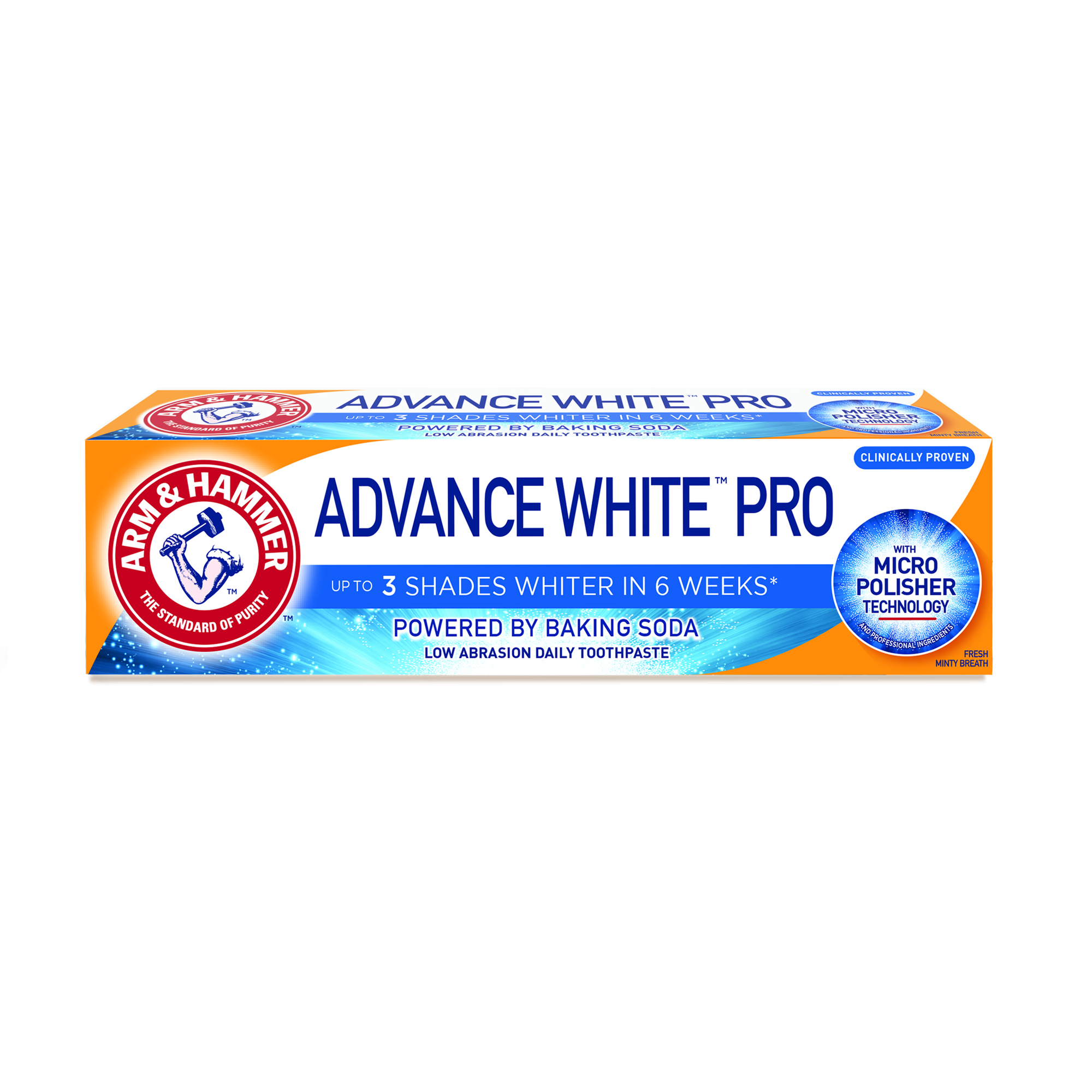
As stated by Hara, et al. (JADA 2017), toothpaste should only be abrasive enough to assist in the removal of plaque and stains. vii Due to the exceptionally low abrasiveness of baking soda, vii Arm and HammerTMbaking soda toothpastes enjoy a formula that is both gentle, yet powerful in its ability to eliminate stains and significantly more plaque. i vii * For those looking for a brighter smile the Advance White ProTM Toothpaste banishes stains for teeth up to three shades whiter in six weeks, while patients experiencing sensitivity can benefit from up to 16 weeks pain relief with Sensitive Pro Toothpaste – meaning there’s a toothpaste for every patient.
A helping hand for at-home hygiene
While clinicians always encourage our patients to schedule regular dentist and dental hygienist appointments, there are a number of ways that we can help them to maintain a healthy dentition from home. Whether it’s a plaque-busting toothbrush or toothpaste, recommending the right tools for the job can help patients to build a comprehensive daily dental hygiene routine, and reduce the risk of gum disease and dental caries.
For more information about the carefully formulated Arm & Hammer™ toothpaste range, please visit https://www.armandhammer.co.uk/ or email: ukenquiries@churchdwight.com
Arm & Hammer™ oral healthcare products are available at Boots, Superdrug, Sainsbury’s, Tesco, Asda and Morrisons throughout the UK.
[i] Thong S, Hooper W, et al. Jnl Clin Dent 2011; 22:171-178.
[ii] TBC – source not included in original article
[iii] Marsh PD. BMC Oral Health 2006;6(Suppl1):S14-S21.
[iv] Clancio SG. JADA Nov 2017;148(11 suppl):1-3.
[v] Zero DT. JADA Nov 2017;148(11 suppl): 10-14.
[vi] Caufield Pw, Schon CN, et al. J Dent Res. March 2015;94(9 suppl):1s-9s.
[vii] Hara AT, Turssi CP. JADA Nov 2017; 148(11 suppl):27-33.
[viii] Putt MS, et al. J Clin dent 2008;19:1-9.
[ix] YouGov. ‘Three in ten Brits only brush their teeth once a day’. Available at: https://yougov.co.uk/topics/politics/articles-reports/2017/10/23/three-ten-brits-only-brush-their-teeth-once-day. [Last accessed 02.08.2021].
[x] Fleming EB, et al. J Periodontol. 2018;89:933:-939.
[xi] Myneni SR. JADA Nov 2017;148(11 suppl):4s-9s.
[xii] Sabharwal A, Scannapieco FA. JADA Nov 2017:148(11suppl):15-19.







