


A conformative and conservative approach to extensive smile restoration
Featured Products Promotional FeaturesPosted by: Dental Design 7th April 2022
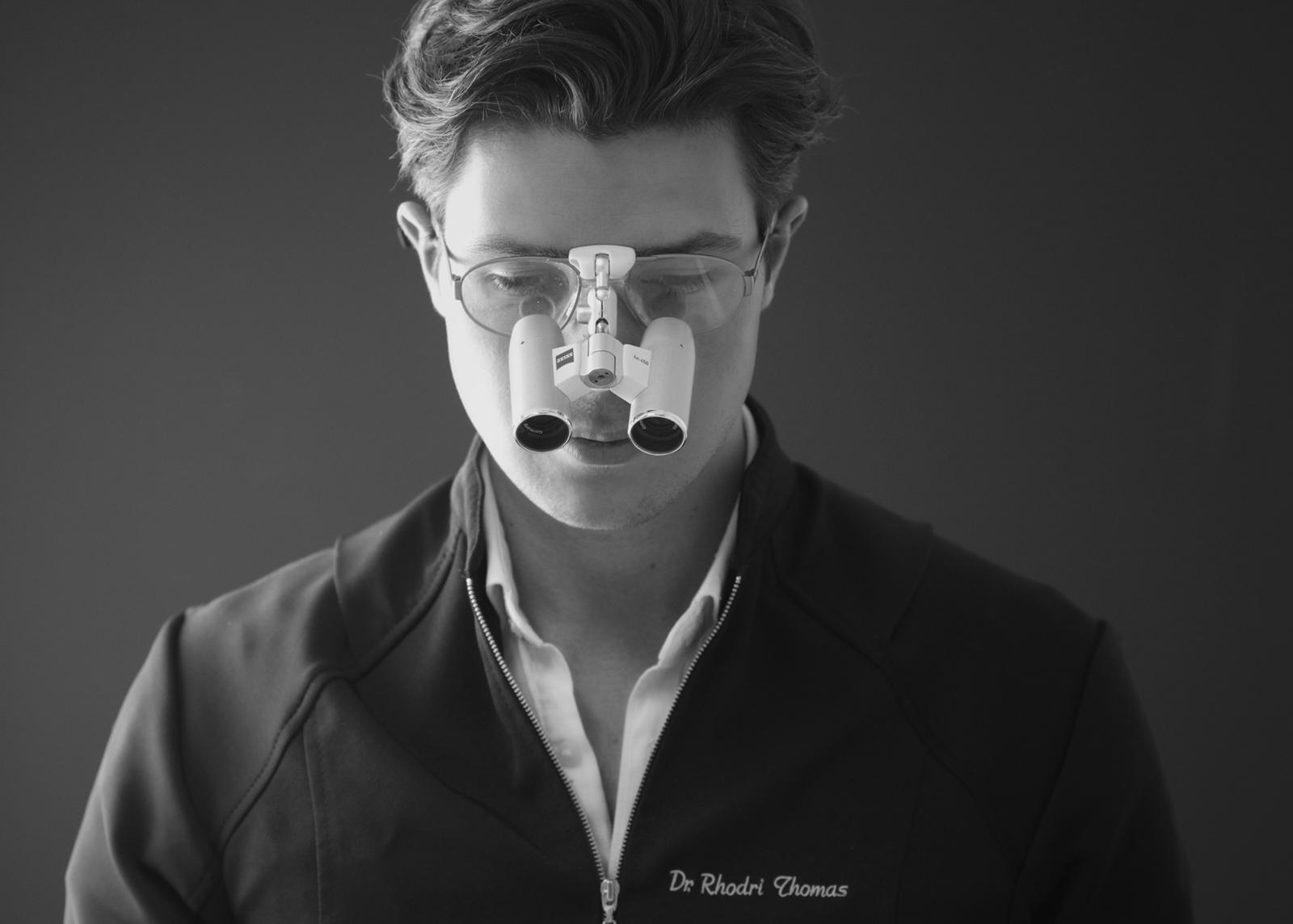
Dr Rhodri Thomas is a leading cosmetic dentist who presents a case that quickly changed from a 6-unit to a 16-unit restorative situation.
Case presentation
A male patient in his 70s was referred by a colleague. He had drunk a lot of cider in his time, so there was substantial wear and tooth surface loss (TSL) to the anterior and posterior dentition. He was originally referred for composite bonding on the anterior teeth, but it quickly became apparent that the patient required a much more intense course of treatment.
Upon assessment, several failing crowns were noted in the posterior region with severe wear also affecting the premolars, changing this from a 6-unit to a 16-unit case.
The occlusal vertical dimension (OVD) was good as several of the healthy crowns that remained were gold so had maintained the occlusion well. It was decided to take a conformative approach to retain the same OVD throughout treatment as we focused on improving oral health whilst restoring the upper and lower wear. We also had to be mindful of the patient’s budget when developing a treatment plan.


Treatment planning
Considering the wear on the palatal aspects of the anterior teeth, standard veneers were contraindicated. A sandwich technique with buccal and palatal veneers combined with ceramic and/or resin may have been an alternative solution. Due to the imperfect nature of much of the interproximal tooth structure, I believed ¾ preparation crowns would provide the best result for this patient in a more minimally invasive way than full coverage crowns. I liaised with the dental technician, as I always do, so we would work together to agree the most appropriate plan.
After a full set of clinical photography, a digital smile design technique was utilised via keynote to assess the mid lines and incisal lengths – this was an aesthetically-driven case so we began with the desired end result and worked backwards. The anterior restorations were planned out digitally, flipping the reverse smile line that had been created by the extensive TSL to follow the curve of the lower lip. This required adding significant length and volume to the teeth. The digital designs were sent to the technician who produced a wax-up as a guide to rebuild the worn teeth, taking into account the envelope of motion and all excursive and protrusive movements. This could then be used as a ‘trial smile’, which is essentially a chair side Luxatemp based smile that fits over the patient’s teeth using a silicone stent of the wax-up. This was tried in the patient’s mouth for around 20 minutes during the next appointment. This gave him time to get used to the look and feel of his proposed smile and we assessed the occlusion and took further photos as well for extra feedback with the technician.


Some of the restorations in the posterior region also required replacement, for which we discussed the possible materials along with their benefits and limitations. The patient was interested in solutions that would give him as much longevity as possible. So, a mixture of gold and ceramic was therefore chosen for the posterior restorations. For the lower anterior teeth, the patient was happy to proceed with resin build-ups. The teeth only required lengthening by 1-2mm, all the while staying mindful to retain a stable occlusion.
Once the patient was satisfied with the plan for his new teeth, he gave informed consent to proceed. Substantial time was dedicated to educating the patient about his oral hygiene and helping him to improve his at-home care routine. The necessity of oral health for the best and long-lasting treatment results was emphasised.
Restoration
The plan was followed all the way through treatment with no changes or alterations needed. We began in the posterior region, removing the old restorations and preparing the teeth for gold crowns and e.max onlays. For the anterior teeth, a preparation guide was used to prepare the teeth for zirconia restorations on the upper 3-3. Isolation was achieved with a split dam before the old resin restorations were removed. Where the TSL had exposed the dentine in the cervical area of the teeth, this was cleaned, etched and bonded. Resin was placed to fill the under cuts and initial ¾ preparation performed using the prep guide from the laboratory, running from papilla to papilla palatally, rather than down to the gingival margins. The margins were moved equigingival with the bur and I ensured everything was smooth with no rough edges. Size 000 Zhermack retraction cord was placed around the preps to move the gingiva approximately 1mm apically, allowing me to review the margins and make any final adjustments.


Both analogue (with metal stock tray and heavy body/ light body silicone) and digital (iTero intraoral scanner) impressions were taken and sent to the lab. I typically capture both so that the technician can work from whichever they prefer for exceptional accuracy. For minimal prep veneers, I don’t think there’s anything better that analogue impressions and a stone cast for detail replication. In my experience, digital impressions work well for anything involving a slightly heavier preparation, so that’s why I leave it to the technician.
Temporaries were placed using a careful shrink wrap technique with Luxatemp to still allow interdental cleaning.
The patient returned to the practice two weeks later. A final 4% chlorhexidine scrub was used to support gingival health and a rapid cementation workflow, before the final restorations were placed. Further time would be needed for the gingiva to infill.
The crowns were designed to be age-appropriate so some staining, craze lines and marks were added, with a little cervical recession incorporated to ensure a realistic and healthy aesthetic for the patient’s age.
The patient was very happy with the outcome achieved, immediately after treatment and at the 1- and 3-year follow up appointments, which confirmed the stability of the occlusion as well.

For more information about Dr Thomas or Lodge Dental, or to refer a patient, please visit www.lodgedental.co.uk

Author bio
Dr Rhodri Thomas graduated from Cardiff University in 2014. He now lectures and runs hand- on courses internationally. He was ‘Best Young Dentist under 35 in 2016, 2017, 2018, 2019, 2020 and 2021 and has won awards for his research. He is also the founder of ‘Art of Dentistry’ – a series of unique training programmes and aesthetic-based courses for dentists. Rhodri happily accepts referral for cosmetic dental patients at Lodge Dental in South Wales.







