


Aligning a proclined upper incisor with removable orthodontics
Featured Products Promotional FeaturesPosted by: Dental Design 11th December 2022
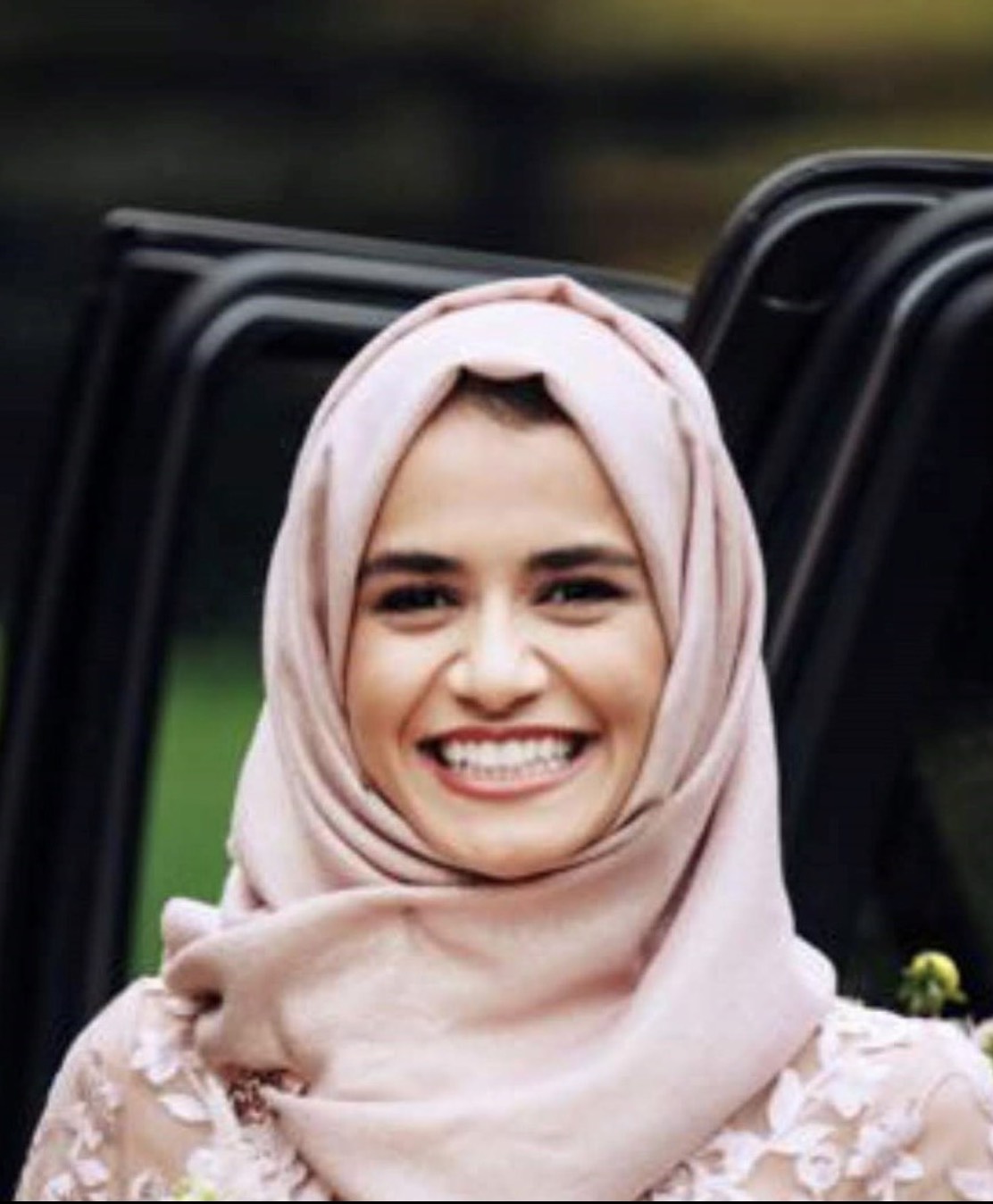
Dr Salma Ainine works at Oliver’s House Advanced Oral Health Centre in East Herrington. Recently named the ClearCorrect® Global Rising Star 2022, she shares a case that shows just what can be achieved with removable orthodontics in the right circumstances.
A 15-year-old female patient had been on the waiting list for orthodontic treatment at the dental hospital for about two years. She had reached the top of the list when Covid broke out and so had to wait even longer for treatment to start, as she was no longer a priority case. Her mum attended the practice privately and asked about private options for her daughter.
The patient attended for an initial consultation. Her anterior tooth was almost horizontal, very high up and protruding significantly – when she smiled, that was the only tooth you could see. She was being bullied at school because of it and was extremely self-conscious. She was otherwise fit and healthy with a clear medical history.
During the consultation, I explained what could likely be achieved with removable aligners, detailing the potential compromises in treatment results compared to comprehensive orthodontics. The patient’s role in maintaining oral hygiene, as well as estimated costs were discussed at length.
The patient was very keen to proceed as there was no waiting list and she would be able to improve her smile and her confidence. Her mum agreed and so a complete orthodontic assessment was performed to confirm case suitability and support the creation of a treatment plan.
Assessment
Other than the prominence of the 11, the patient had no disease, caries or other similar issues. Congenitally missing laterals were noted in the lower arch. There was also an overjet of 11mm and the upper arches were narrow.
Treatment planning
A digital impression was taken using the CEREC Primescan, in addition to a full range of clinical photos, an X-ray and OPG. Everything was uploaded to the ClearCorrect® Doctor Portal, One treatment option. The initial smile simulation was reviewed too – at this time I was unsure of the case suitability for treatment with removable aligners in the upper arch due to the severe proclination of the 11. However, the 3D treatment set-up confirmed that we could proceed and offered a guide to treatment progression.
A revision was requested to this treatment set-up to avoid placing an engager on the anterior tooth from the day of fitting the first aligner. I prefer for the patient to settle a little into treatment before placing engagers, so this was moved back to aligner 9 for the second treatment set-up.
The ability to communicate with the technician directly is really useful during this stage of the treatment process. The portal is easy to use and it allows two-way interaction for close collaboration. The 3D treatment set-up is also a very helpful tool in delivering predictable treatment and communicating with the patient to manage their expectations.
The treatment was explained to the patient in detail, including benefits, limitations and risks, with an opportunity for her to ask questions. When she was totally comfortable with the procedure, informed consent was obtained and recorded.

Treatment
Upper and lower aligner treatment began in April 2021 and initially proceeded according to the plan. One of the engagers was lost in August and required replacement, but otherwise this and interproximal reduction (IPR) was performed progressively as needed.
Patient compliance with the recommended amount of aligner wear was good and the teeth moved mostly as expected. Her progress was supervised via Dental Monitoring – she simply uploaded a photo of her teeth each week for me to review remotely. At aligner 9, tooth movement slowed so we changed to fortnightly image uploads. The patient never missed a scan and this enabled us to manage her treatment very closely. A couple of times we postponed the changing of aligner to allow the teeth to properly settle before moving through the aligner sequence; this was mostly because the proclined 11 was very slow to move.
By October 2021, the patient had become eager to complete treatment. Though I would have preferred a few more aligners to encourage ideal tooth movement, the patient wished to conclude as soon as possible so we agreed to order two finishing aligners.
Following these, composite edge bonding was discussed with the patient to optimise the aesthetic outcome. We ended up providing some composite bonding to the upper anterior teeth to perfect their shape, which the patient appreciated, and treatment was completed in December 2021. The patient was very happy with the results and pleased to have finished active treatment. The importance of lifelong retention was highlighted and removable retainers were provided.
Discussion
For this case, I think it’s important to consider the ClearCorrect® treatment option that is most suitable. Although it only required 20 steps for the initial course of treatment, I would select the Unlimited for this type of case in the future as it offers flexibility to provide as many revisions as needed, while ensuring predictable treatment costs. Though this patient’s compliance was great, she had had enough before we achieved the perfect outcome and so there may be an opportunity to come back for the final tooth movements in the next few years. Plus, this option also includes as many retainers as required within 5 years, which would be great for younger patients who may be more likely to lose theirs.

Figure 1 – Pre treatment anterior

Figure 2 – Pre treatment upper arch

Figure – Pre treatment lower arch

Figure 4 – Pre treatment impression

Figure 5 – Pre treatment left lateral

Figure 6 – Pre treatment right lateral

Figure 7 – Pre treatment upper occlusal

Figure 8 – Pre treatment lower occlusal

Figure 9 – post treatment anterior

Figure 10 – Post treatment left lateral

Figure 11 – Post treatment right lateral

Figure 12 – Post treatment anterior impression

Figure 13 – Post treatment upper occlusal

Figure 14 – Post treatment lower occlusal
For details about ClearCorrect®, please visit https://www.straumann.com/clearcorrect/en/home.html
Author:
Salma qualified from Dundee in 2012 and then spent four years doing advanced training in oral surgery, restorative dentistry and orthodontics, in a hospital setting. She has travelled around the world presenting her own research in Europe and America. On completing her training, Salma went into a private practice, taking her skills with her and bringing into the practice her passion for digital dentistry. She performs all aspects of dentistry and implantology, as well as a range of removable orthodontic services.







