


Biomimetic dentistry – a modern solution
Featured Products Promotional FeaturesPosted by: Dental Design 23rd February 2023
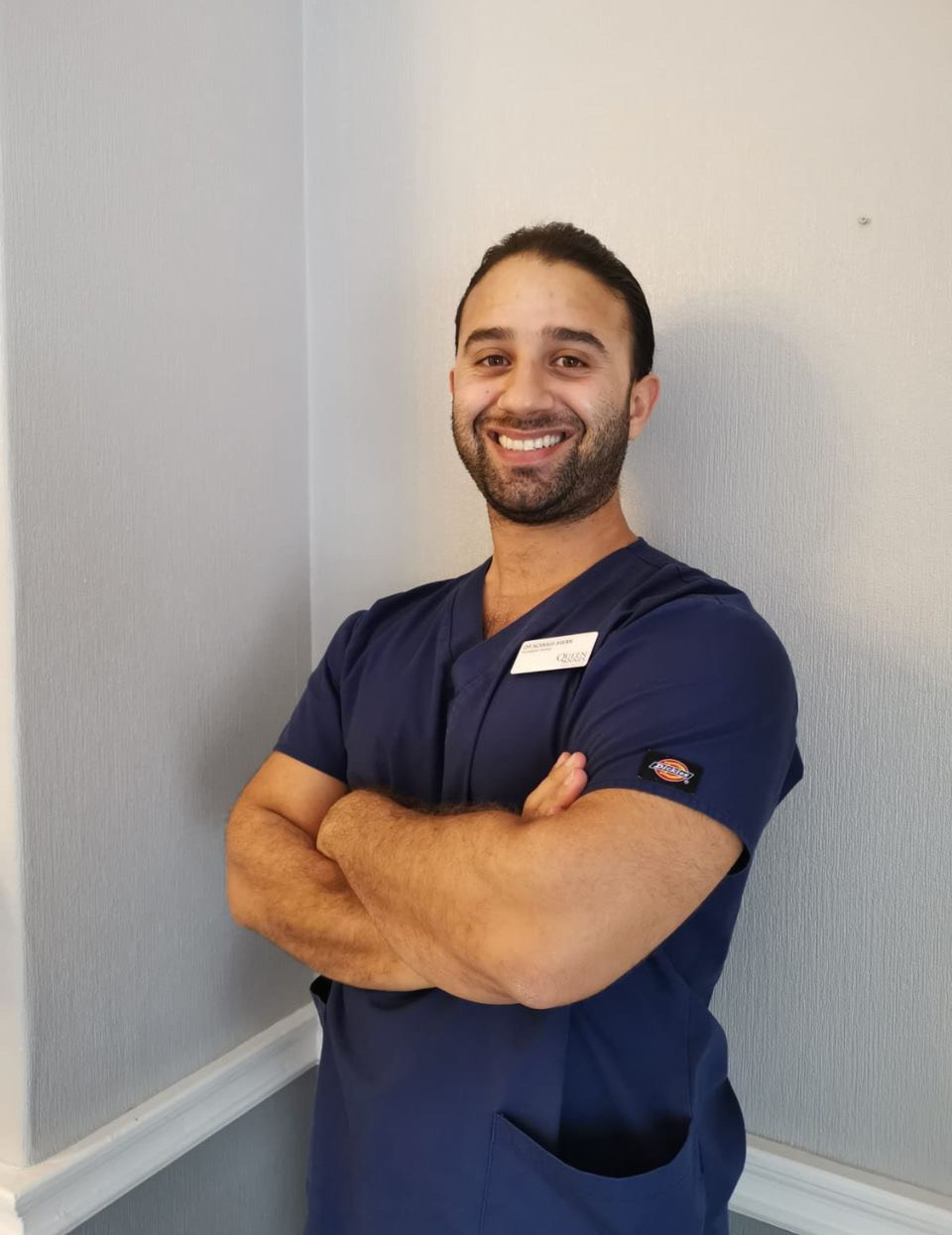
Biomimetic dentistry attempts to recreate, as accurately as possible, the structure of the natural tooth with a defect-driven approach. The conservative nature of this concept helps to delay the restorative cycle of death of the tooth, allowing you to prolong the restorative journey. Dr Nowais Awan explains the importance of biomimetic restorative dentistry, and what makes it an excellent approach for clinicians:
“This kind of conservative, advanced adhesive dentistry has been around for more than 20 years, but it’s rising in popularity among younger dentists at the moment largely due to the influence of social media. Dentists are seeing how well a biomimetic approach can be executed – and it’s inspiring them to try it for themselves.
“Biomimetic dentistry causes less destruction and prolongs the life of a tooth – restoring and preserving the natural tooth for as long as possible and giving maximum restoration options over time. On the contrary, traditional dentistry has a key focus on retention and resistance, which ultimately leads to more tissue removal. Fortunately, with the backing of scientific evidence and certain materials, we are able to achieve a stable bond strength in the region of 40-50mpa to dentine, mimic the dentine enamel junction (DEJ), and bond the tooth from top to bottom. allowing it to behave and function like a natural tooth.”
Aims and misconceptions
A biomimetic approach removes less tooth structure when treating caries than traditional techniques, which has led to misconceptions about the process. Dr Awan explains:
“Some clinicians don’t understand the reasons behind selective caries removal in biomimetic dentistry. The aim when using this approach is to deprive the bacteria of oxygen by sealing it in, hence preventing its progression but more importantly preventing pulpal exposure especially in deep caries. It’s important to have a good understanding of the techniques here, and build up the skills you need.
“There are three main challenges when learning the biomimetic approach. These are: time, as procedures take longer; understanding the strict protocols involved, because it’s vital to follow these correctly for successful outcomes; and there is a need for patience and practice. It is also very technique sensitive.
“I was able to overcome many of these challenges in my FD year, by taking time to learn the basic skills – including the use of a rubber dam and caries dye. If clinicians are able to dedicate time for this, as well as finding mentors, they will see successful outcomes with biomimetic dentistry quite quickly. Even for clinicians with busy schedules, this is a valid treatment approach. Begin by being selective and dedicating time to cases while you practise the method. For example, schedule 40 minutes for a filling rather than 30 if you can. This allows you to invest in yourself and your patients.”
 Fundamental materials
There are a number of useful products to have on hand to execute this approach well. Dr Awan describes the materials he uses and why:
“Caries Detector manufactured by Kuraray is fundamental. It facilitates restorative precision by revealing caries infected/affected dentine and therefore the hierarchy of bondability. With practice and the right mentorship, you can learn exactly how to manage caries using certain measurements – this allows you to stop cleaning before risking damage to the nerve, minimising post-operative sensitivity and preserving tooth vitality. Caries dye reveals your accuracy when applied to what you may perceive to be a clean cavity. It is also incredibly useful as it reveals the type of substrate that you’re bonding to. Biomimetic dentistry centres around adhesion, so caries dye prevents you from bonding to a weak substrate in the peripheral seal zone, which could otherwise cause the bond to degrade leading to early failure and leakage.
“I would also recommend the use of a good bonding agent, such as the Clearfil SE Bond 2. This allows you to obtain a hybrid layer with similar bond strengths as the natural DEJ but with the use of air particle abrasion over the dentine surface prior to adhesive application, and using a self-etching option results in reduced sensitivity. If you were to etch the tooth manually you may over etch the dentine.
“Clearfil Majesty Flow is another a great flowable composite to use as a line over the formed hybrid layer, a technique known as resin coating. It allows you to create a secure bond, meaning you are able to prevent the infiltration of caries and reduce the risk of recurrent decay. Clearfil AP-X has similar modulus of elasticity to deep dentine. It is also radiopaque, and good for cementing bonded onlays, especially when heated. The combination of materials mentioned will allow you to closely mimic a natural tooth structure.
“I source my materials from J&S Davis. The ordering process is simple and the team is fantastic. My materials always arrive on time.”
Igniting a passion for restorative dentistry
To summarise, Dr Awan adds:
“I am still in the early stages of my career, and I’m still learning. However, I have seen biomimetic dentistry ignite a passion in my colleagues. This isn’t the only way to perform restorations, but I do believe it will be the future of restorative dentistry. For GDPs who are looking into biomimetics, it’s important to allow yourself time to learn and, more importantly, find a course/mentorship/mastership programme, to ensure you are taught right. A quote I saw on Instagram from a well-known biomimetic dentist said ‘It’s better to be a good clinician using standard materials than a bad clinician using gold standard materials’ – the point being that you need to know how to properly use your materials.

For more product information and samples,
visit www.js-davis.co.uk, call 01438 747 344
or email jsdsales@js-davis.co.uk.
Dr Nowais Awan, Ace Dental, Kentish Town
Dr Awan graduated from the University of Madrid, and went on to complete his NHS training in Devon. He is a general dentist with an interest in aesthetic and Advance adhesive restorative dentistry – believing it is important to pay attention to details.
He has just completed MIMETIKA; a year-long mentorship in biomimetic restorative dentistry.







