


The digital touch
Featured Products Promotional FeaturesPosted by: Dental Design 8th February 2023
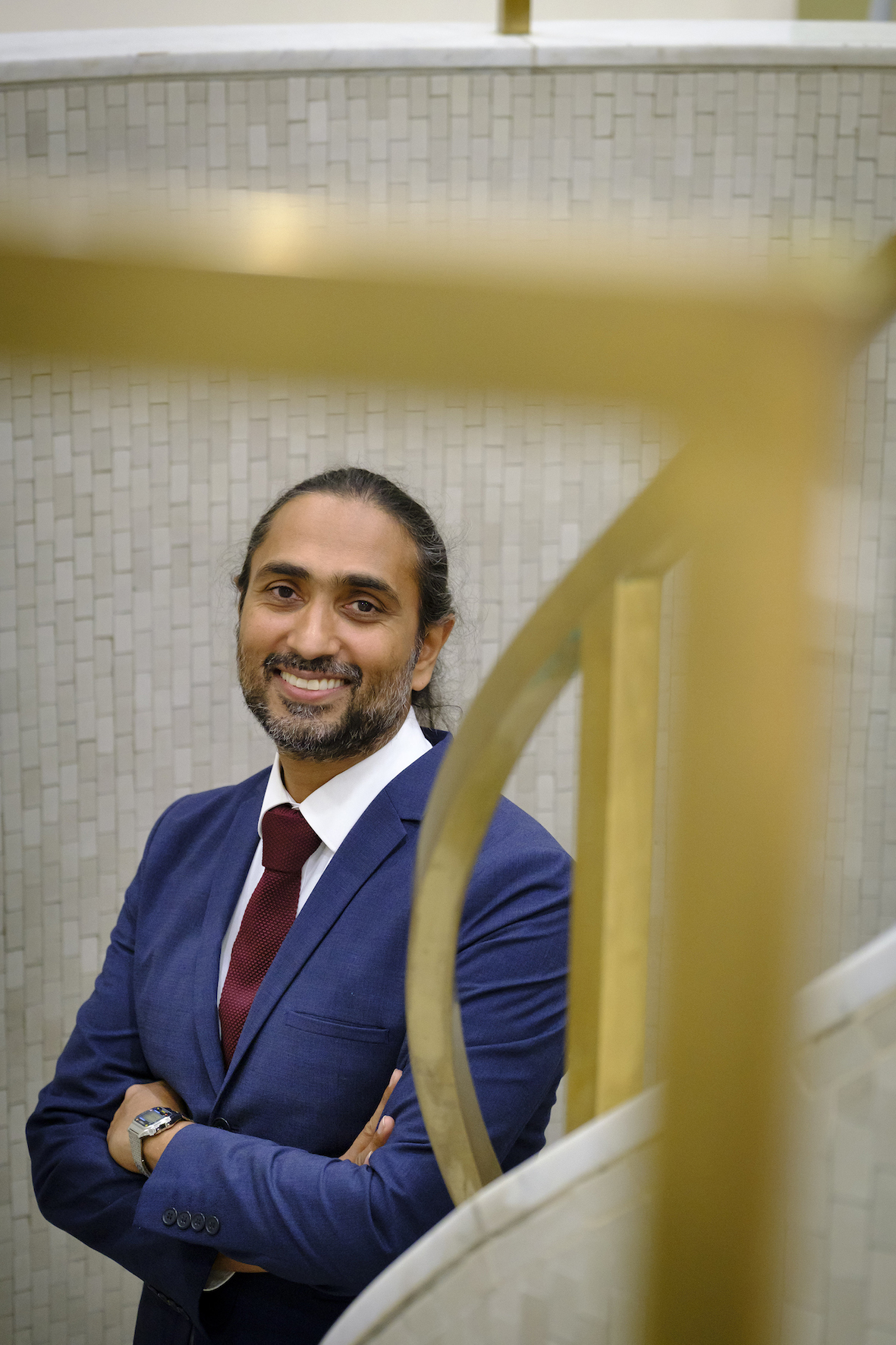
Dentistry continues to shift and innovate in order to keep pace with patient demand. Opinions surrounding social media in dentistry are often differential, and while there are many stories about the dangers of social media, its benefits cannot be overlooked. Online platforms can be vastly instrumental in connecting with patients and peers, boosting practice profitability while establishing connections with professionals from around the world.
Sentiments surrounding social media are unlikely to change as it becomes more advanced. However, as a dental professional, it’s important to recognise the value of having an online presence in modern day dentistry.
Social media and patients
Much has circulated about the dangers of social media with regards to patient misinformation. The term ‘fake news’ has become widespread as social media has matured, and its effects on real lives can be devastating.
When it comes to oral health information, the impact of fake news can lead to long-term consequences. It’s commonplace to see advertisements plastered over Facebook, Twitter, Instagram or YouTube claiming a particular product or item can deliver ‘instant’ results ‘at-home’. Certain products might be used to promote whiter teeth, such as charcoal powder, hydrogen peroxide, lemon juice and baking soda or oil pulling. Unfortunately, misinformation such as this is often presented convincingly, as it promotes the concept of immediacy, simplicity and low costs. But not only are these techniques often completely ineffective, patients’ oral health may even be at risk. Additionally, many bloggers, influencers, celebrities and online personalities are guilty of pushing incorrect or misinformed material out there, often being paid by companies to promote a certain product. Younger audiences are especially at a higher risk of being lured in by these attractive messages.
Researchers conducted a quantitative study to ascertain the level of fake news surrounding health information/news.[i] They found that 40% of the frequently shared links contained text that the researchers classified as fake news – these links had been shared more than 450,000 times.i
Dental professionals – at the front line
Dental professionals are in a prime position to counteract fake news surrounding dental care. Of course, due to the nature of social media, misinformation cannot be entirely eradicated, but nonetheless dental professionals should do all they can to ensure only credible and reliable information is consumed by the public. One way to do this would be to garner your own following on a professional profile. Here, you can publish trusted advice surrounding oral health care, in addition to promoting your business and services. Tapping into the digital world means you can reach more patients and, in addition, more patients can access your resources. It goes without saying that dental personnel should enforce strict boundaries between their own personal social media platforms and their professional ones, in order not to diminish their own and their business’s reputation.[ii]
Social media is also a useful tool for communication between professionals. Professional pages or groups on platforms such as LinkedIn or Facebook, for example, provide professionals from all backgrounds and levels of expertise the opportunity to share opinions, cases, queries and discoveries. They also offer the chance to network, form professional relationships and feel part of a community. Such groups can be created by anyone, but it’s important to ensure you belong to a regulated, professional forum where the members do not engage in inappropriate or negative behaviour. Professional pages should, essentially, be a place where clinicians can come together to promote exceptional dentistry.
Become an ADI member
Members of the Association of Dental Implantology (ADI) have access to the ADI Members Only Facebook Group, a page where clinicians of all experience levels are encouraged to participate in online discussion. Members can share cases, collaborate and discuss matters relating to implant dentistry. Not only do members receive access to the Facebook Group, but they also benefit from free ADI Study Clubs, free attendance to the biennial ADI Members’ National Forum, a free premium membership of Dentinal Tubules and much more! The ADI ensures their members stay abreast of all the developments within implant dentistry, so they can continue to deliver outstanding patient care.
The use of social media within dentistry has become increasingly prevalent, as more professionals realise its benefits for communication, education, promotion and marketing. Not only that, but as misinformation and fake news continue to be a risk for patients, dental professionals are in the best position to encourage and share reliable and trusted information regarding oral health.

For more information about the ADI, or to join, please visit the website
[i] Waszak, P.M., Kasprzycka-Waszak, W. and Kubanek, A. (2018). The spread of medical fake news in social media – The pilot quantitative study. Health Policy and Technology, [online] 7(2), pp.115–118. Available at: https://www.sciencedirect.com/science/article/pii/S2211883718300881 [Accessed 9 Nov. 2022].
[ii] Guidance on using social media. (n.d.). [online] The General Dental Council (GDC). Available at: https://www.gdc-uk.org/docs/default-source/guidance-documents/guidance-on-using-social-media.pdf?sfvrsn=de158345_2 [Accessed 9 Nov. 2022].







