


Enter the era of discreet orthodontics
Featured Products Promotional FeaturesPosted by: Dental Design 6th March 2023
Orthodontic appliances often have a bad reputation among patients. After all, traditional fixed appliances come with a number of perceived downsides, most notably their patient perceived poorer aesthetics. Additionally, these fixed solutions often make oral hygiene more challenging if patients are unable to clean around them properly, which could lead to additional problems further along the treatment journey.
However, orthodontic solutions have evolved considerably in recent years, with a number of discreet options now becoming available. For example, lingual braces are growing in popularity, but why is this the case?
Invisible and aesthetic
In the modern age, smile aesthetics matter more than ever before. Where people were once happy to accept a less aesthetic solution, today people are far more likely to opt for an appliance that isn’t visible at first glance.
Our smiles have a huge impact on our confidence and how others perceive us. For example, surveys have often come to the conclusion that people see smiles as the “most attractive” physical feature on others.[i]Additionally, research suggests that a beautiful smile helps to boost self-confidence and can even impact how successful someone is in areas such as their work life.[ii] Effectively, a good smile is incredibly desirable, and can make all the difference.
As such, it makes sense that people want to explore options that don’t detract from their smile aesthetics during treatment. Lingual braces are placed behind the teeth, meaning that they eliminate many of the negative aesthetic concerns associated with traditional fixed appliances. A result of this is that patients are likely to enjoy greater self-confidence during treatment.
For individuals in people-facing roles this is particularly appealing, as it enables them to maintain their natural-looking smile throughout the treatment journey without having to worry about the impact this will have on other people’s opinion about their appearance.
 Custom solutions for predictable care
While many orthodontic solutions are custom to the patient, lingual options are always bespoke, meaning that they can be utilised to provide predictable care for all. They can easily be customised to improve comfort and shaping, as well as maximising efficiency, and this usually means that they can provide better long-term wellbeing for patients. Additionally, unlike other popular solutions such as removable aligners, lingual braces still offer the benefits of a fixed solution, meaning that they continually straighten teeth and are likely to be a more efficient option when compared to removable aligners.
Lingual braces also offer a great level of versatility. While they won’t be suitable for every case and it is, of course, essential to ascertain whether they are a viable choice for a patient, they can be utilised across a range of orthodontic indications, making them a valuable string to add to your bow.
Where to begin?
Placement of lingual appliances differs from traditional fixed appliances in a number of ways. While these two different treatment modalities can usually be used to correct the same issues, cases such as patients with a deep overbite will restrict the use of lingual braces.
Plus, the general assessment and planning stages of lingual brace treatment will differ, and clinicians have to know how to perform both arch and space calculations, as well as consider occlusal planning and retention as they would with all orthodontic cases.
On the practical side, placing wires and brackets labially is often considered more challenging when compared to traditional methods, so professionals will need to receive extra training to ensure they can perform this with confidence.
As such, the best way to proceed is to find a course dedicated to lingual braces that covers all of the theoretical knowledge and hands-on skills you need. The Lingual Brace course from IAS Academy is exactly this. A curated blend of practical and theoretical teaching, the course explores all of the benefits of lingual braces while also equipping professionals with the skills they need to place them. The full-day course also includes mentoring and other benefits to ensure that delegates leave feeling confident about lingual braces and implementing this treatment modality into their practices.
Give your patients the discreet option
With so many individuals concerned about their smile aesthetics and seeking discreet orthodontics, it makes sense to include lingual braces in your treatment offerings. These solutions are discreet, boost confidence and are highly versatile, making them an excellent option in a wide array of cases.

For more information on upcoming IAS Academy training courses, please visit www.iasortho.com or call 01932 336470 (Press 1)
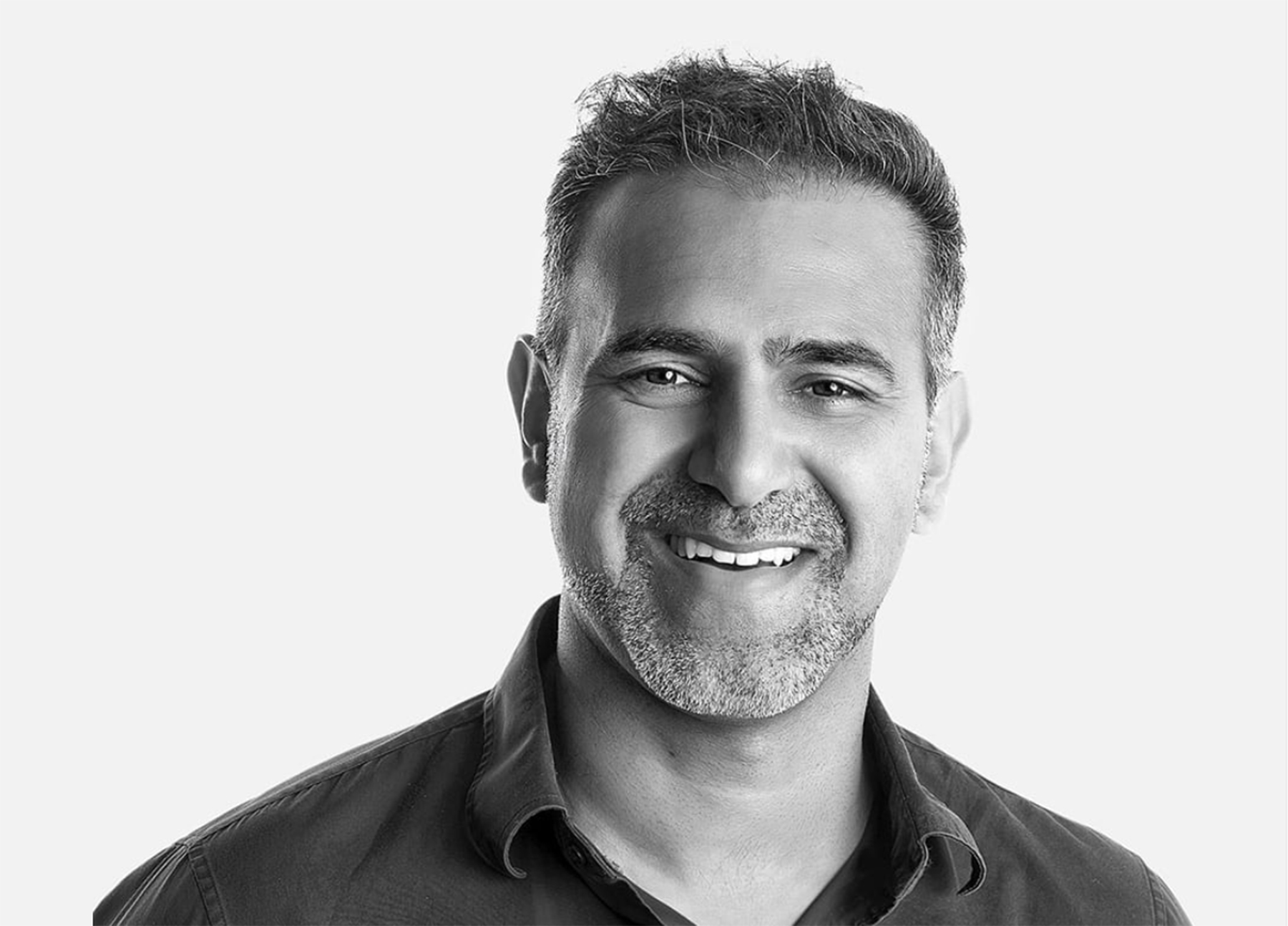
Dr Tif Qureshi founder and a clinical director of IAS Academy
Dr Tif Qureshi founder and a clinical director of IAS Academy, qualified from Kings College London in 1992. He is a Past President of the British Academy of Cosmetic Dentistry, an International faculty that provides mentored education for general dentists on a pathway from appropriate simple to comprehensive orthodontics.
Tif has a special interest in simple orthodontics and truly minimally invasive dentistry. He has committed his life’s work to empowering dentists to provide important alternative techniques. He offers a wide variety of treatments to many more patients, while always respecting the fundamental precepts of orthodontics.
Tif also pioneered the concept of Progressive Smile Design through Alignment, Bleaching, Bonding – a course that combines tooth alignment, composite bonding and teeth whitening to produce superior smiles using techniques with the absolute minimum of invasiveness available today.
An experienced teacher in the Dahl concept, Tif shows how this technique is used to plan tooth alignment and minimise invasive dentistry in the development of a beautiful smile.
Tif now lectures and published scientific articles internationally.
[i] Dentistry IQ. Survey finds smile is “most attractive” physical feature. Link: https://www.dentistryiq.com/practice-management/industry/article/16371644/survey-finds-smile-is-most-attractive-physical-feature [Last accessed January 23].
[ii] Your Dental Health Resource. Studies Prove Your Smile Has a Direct Impact on Your Self-Confidence. Link: https://yourdentalhealthresource.com/studies-prove-your-smile-has-a-direct-impact-on-your-self-confidence/ [Last accessed January 23].







