


Creating excellent smile aesthetics
Featured Products Promotional FeaturesPosted by: Dental Design 6th April 2023
Smile aesthetics are of high importance to patients, with many attributing much significance to their smile. With greater patient awareness of cosmetic dental procedures, patients are becoming more likely to request this type of treatment.[i] These requests are often inspired by content trending on social media.[ii] Many patients will have seen before and after photos of cosmetic dentistry on social media sites, or may want to mimic celebrities’ smiles.[iii] When they come to the practice, it is important to discuss the reasons patients would like the specific treatment they are requesting, and explore all relevant treatment options. Clinicians will always prioritise patient safety and function, in addition to meeting their aesthetic desires.
Assessing patients’ desires
As many people pay closer attention to the colour, shape, size and position of their teeth, patients will be looking to achieve a straight, white, symmetrical smile.[iv] However, they may assume that extreme measures are needed to achieve their ideal smile aesthetics. Patients may not be aware of the more conservative ways to create aesthetic outcomes, so educating them about potential solutions is crucial for creating a suitable treatment plan. Patient education is key to increasing treatment acceptance.
It is also helpful to get a clear understanding as to what aspects of their smile the patient is unhappy with, and how these are affecting them. Research suggests that smile aesthetics can have a psychological impact on the patient, with tooth colour in particular significantly effecting self-confidence, and this going on to impact social interactions and self-esteem.[v] The ways in which patients perceive their own dentition can have an effect on their wellbeing, so it is important to take this into account too.[vi]
 Considering minimally invasive solutions
Orthodontic treatment, tooth whitening, and composite bonding are all solutions which aim to address patients’ key concerns. When performed as one cohesive treatment plan, you and your patient are able to work collaboratively to determine treatment plans dynamically. This ensures that dentistry offered is conservative.
By following the align, bleach, and bond approach, treatment remains conservative. This allows patients to see the impact that less invasive procedures can have on the appearance of their teeth.[vii] During the treatment, patients may find that they are satisfied with the resulting aesthetics, and they may change their mind about whether they still require further, more invasive treatment. This might mean that they no longer feel that they would like more invasive treatment options, like veneers, as they have been able to see the transformation over time.[viii]
Managing patients’ expectations
While these solutions can produce excellent aesthetics, it’s important that patients understand that they will achieve a more natural looking outcome when compared to the extreme results they may have seen in the media. Communication is key here. Spend time describing the ways in which their smile will change, and what they should expect at each stage of treatment. It is important that patients also appreciate that this is not an overnight solution, taking time to move the teeth over a number of months. Managing their expectations effectively will help to avoid any disappointment and boost patient satisfaction.
Gaining the skills to provide patients with minimally invasive aesthetic treatment confidently is crucial for excellent results. The Align Bleach and Bond (ABB) course from the IAS Academy is a two-day course which enables delegates to undertake simple to moderate alignment cases, as well as any additional treatments needed to finish cases post-orthodontic treatment for long-term stability and function. Delegates can expect ongoing support at every stage, as well as an online mentoring system which can be used for help at any point during treatment. The ABB course is the ideal introduction to integrating ortho-restorative dentistry.
The ABB treatment process can be very beneficial to patients for a number of reasons. It allows them to see their teeth transform over time, providing the opportunity to reassess their treatment goals, and understand the ways in which each treatment type can improve their smile aesthetics. For many patients, the colour, alignment, and shape of their teeth are their main aesthetic concerns, and many patients seek cosmetic treatment to improve these aspects. It is important to manage their expectations, and suggest the most appropriate treatment types to meet their needs.

For more information on upcoming IAS Academy training courses, please visit www.iasortho.com or call 01932 336470 (Press 1)
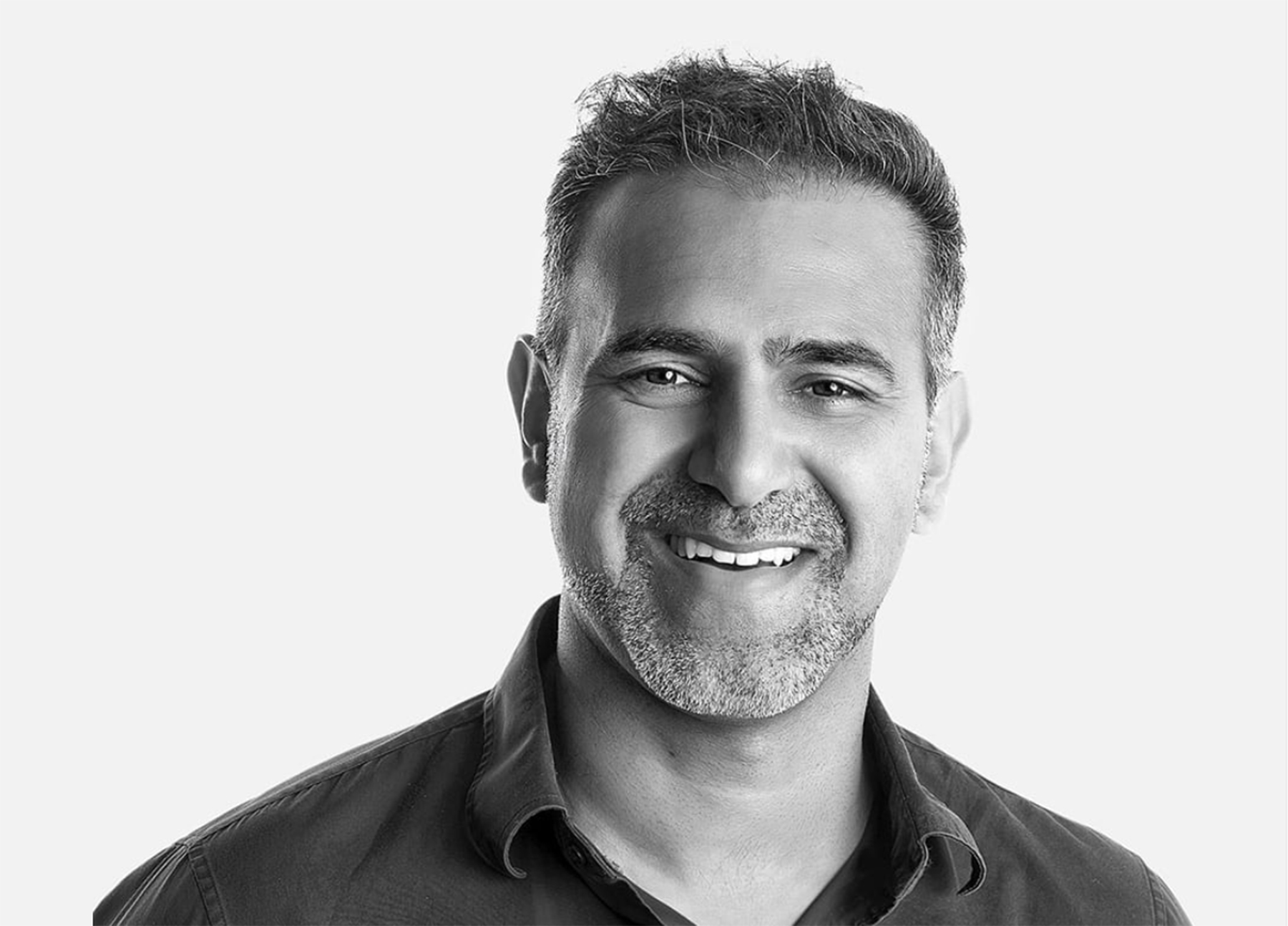
Dr Tif Qureshi founder and a clinical director of IAS Academy
Dr Tif Qureshi founder and a clinical director of IAS Academy, qualified from Kings College London in 1992. He is a Past President of the British Academy of Cosmetic Dentistry, an International faculty that provides mentored education for general dentists on a pathway from appropriate simple to comprehensive orthodontics.
Tif has a special interest in simple orthodontics and truly minimally invasive dentistry. He has committed his life’s work to empowering dentists to provide important alternative techniques. He offers a wide variety of treatments to many more patients, while always respecting the fundamental precepts of orthodontics.
Tif also pioneered the concept of Progressive Smile Design through Alignment, Bleaching, Bonding – a course that combines tooth alignment, composite bonding and teeth whitening to produce superior smiles using techniques with the absolute minimum of invasiveness available today.
An experienced teacher in the Dahl concept, Tif shows how this technique is used to plan tooth alignment and minimise invasive dentistry in the development of a beautiful smile.
Tif now lectures and published scientific articles internationally.
[i] Campos, Lucas Arrais, et al. “Psychosocial impact of dental aesthetics on dental patients.” International dental journal 70.5 (2020): 321-327. https://www.sciencedirect.com/science/article/pii/S0020653920337655
[ii] Abbasi, Maria Shakoor, et al. “Impact of Social Media on Aesthetic Dentistry: General Practitioners’ Perspectives.” Healthcare. Vol. 10. No. 10. MDPI, 2022. file:///Users/officeone/Downloads/healthcare-10-02055-v2%20(1).pdf
[iii] Abbasi, Maria Shakoor, et al. “Impact of Social Media on Aesthetic Dentistry: General Practitioners’ Perspectives.” Healthcare. Vol. 10. No. 10. MDPI, 2022. file:///Users/officeone/Downloads/healthcare-10-02055-v2%20(1).pdf
[iv] Campos, Lucas Arrais, et al. “Psychosocial impact of dental aesthetics on dental patients.” International dental journal 70.5 (2020): 321-327. https://www.sciencedirect.com/science/article/pii/S0020653920337655
[v] Campos, Lucas Arrais, et al. “Psychosocial impact of dental aesthetics on dental patients.” International dental journal 70.5 (2020): 321-327. https://www.sciencedirect.com/science/article/pii/S0020653920337655
[vi] Campos, Lucas Arrais, et al. “Psychosocial impact of dental aesthetics on dental patients.” International dental journal 70.5 (2020): 321-327. https://www.sciencedirect.com/science/article/pii/S0020653920337655
[vii] Qureshi, Tif. “Minimally invasive cosmetic dentistry: alignment, bleaching and bonding (ABB).” Dental Update 38.9 (2011): 586-592. https://www.inmanaligner.com/media/pdf/Minimally%20Invasive%20Cosmetic%20Dentistry.pdf
[viii] Qureshi, Tif. “Minimally invasive cosmetic dentistry: alignment, bleaching and bonding (ABB).” Dental Update 38.9 (2011): 586-592. https://www.inmanaligner.com/media/pdf/Minimally%20Invasive%20Cosmetic%20Dentistry.pdf







