


Is plastic-free dentistry possible?
Featured Products Promotional FeaturesPosted by: Dental Design 19th November 2023
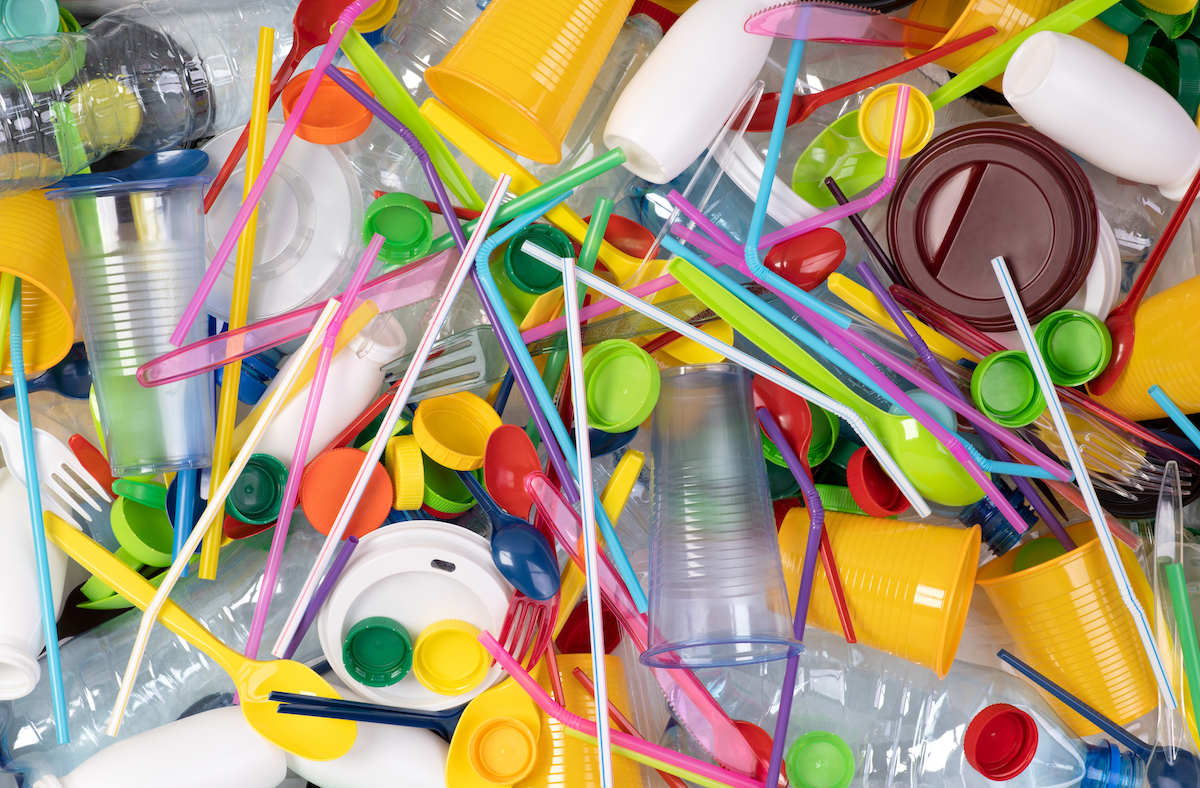
The importance of sustainability in our personal and professional lives has been brought to the fore in recent years. In particular, a spotlight has been on the dangers of the growing plastic waste problem. We are all now more aware than ever of how our actions impact the world around us and we appreciate the need to reduce the harm being caused to the environment. An example in the UK is the array of single-use plastic items that have been and continue to be discouraged. The latest of these is a ban on single-use plastic cutlery as of October 2023.[i]
But in dentistry, reducing plastic usage is still a challenge.
Reduce reuse recycle
The common phrase of ‘reduce, reuse, recycle’ is commonly applied when looking to enhance sustainability. It promotes the need to reduce the amount of plastic waste generated in the first place, by reusing more plastic items and recycling materials to lessen the amount sent to landfill. The concept is simple but the practice more challenging.
In the dental practice, single-use plastic items are a staple of good infection control protocols. This makes it difficult to reduce plastic waste production, but not impossible. Simple changes like swapping plastic cups for paper alternatives in the waiting room, using recycled paper for leaflets and choosing products that come in biodegradable packaging are all good steps to take. Establishing recycling bins within the practice for appropriate waste is also beneficial in encouraging both staff and patients to support recycling wherever possible. By aiding a circular economy whereby products are repurposed and reused as something else is another great way of minimising the amount of plastic that is sent to landfill.
Sustainable oral health
Outside the practice, we can implement and encourage patients to maintain more sustainable oral health as well. This might involve investing in toothbrushes or interdental brushes made from bamboo or other plastic alternatives, like birchwood. Many at-home products are available in recycled packaging or supplied by companies that are committed to offsetting their carbon footprint. There are even plastic-free toothpaste alternatives available and easily accessible to the public, should they wish to be even more eco-friendly.
Some novel approaches
Of course, such actions in the dental practice and among patients can only take us so far in our mission to create a plastic-free future. I have found it interesting to dig a little deeper into some of the novel ideas that are being explored in an attempt to find larger scale solutions to the plastic problem faced today.
One such area is the development of nanotechnology for reduced plastic packaging. It could replace the plastic layer that is currently used on cardboard or biodegradable materials to protect it from moisture, making it thinner and more cost effective. For foodstuffs, antimicrobial nano-materials are being developed to protect perishable goods from spoilage too. There may well be some possible applications in dentistry if such materials could be made to protect new instruments, for instance.
Another way to reduce the plague of plastic on the world is to find a safer and more eco-friendly way to dispose of waste material. For instance, microbes have been discovered that have the ability to digest certain plastics. Found in the Alps and the Arctic, these differ from other microorganisms that can do something similar because they work in the lower temperatures of just 15ºC. A selection of bacteria and fungi have been proven effective against various types of plastic and may offer an interesting part to the solution for managing plastic waste for waste facilities.[ii]
A project by an Imperial College London spin-out company[iii] also makes for some intriguing reading. Researchers there are working on whether it is possible to divert waste CO2 into the plastic industry, reducing the release of greenhouse emissions into the atmosphere as well as the need for petrochemical raw materials.
A pipedream or the next step?
So, will it be possible to deliver plastic-free dentistry? We are certainly taking steps in the right direction, but there are still some obstacles to overcome. Right now, many of the plastic alternatives require a greater investment than traditional products and processes, meaning that some options may well be cost-prohibitive for some individuals or businesses. As systems and materials develop, costs come down and sustainable solutions become more accessible, this could very well change the dental profession for the better. As usual, we’ll just have to watch this space to see how it all pans out.

For further information please call EndoCare on 020 7224 0999
Or visit www.endocare.co.uk

[i] Gov.uk. Far-reaching ban on single-use plastics in England. January 2023. https://www.gov.uk/government/news/far-reaching-ban-on-single-use-plastics-in-england {Accessed July 2023]
[ii] Joel R, Mattia C, Ivano B, Beat S, Michael S, Beat F. Discovery of plastic-degrading microbial strains isolated from the alpine and Arctic terrestrial plastisphere. Frontiers in Microbiology. 2023; 14 DOI:10.3389/fmicb.2023.1178474
[iii] UK Research and Innovation. The plastic paradox. October 2020. https://www.ukri.org/about-us/how-we-are-doing/research-outcomes-and-impact/the-plastics-paradox/ [Accessed august 2023]







