



Enhancing endodontic recovery
Featured Products Promotional FeaturesPosted by: Dental Design 3rd February 2024
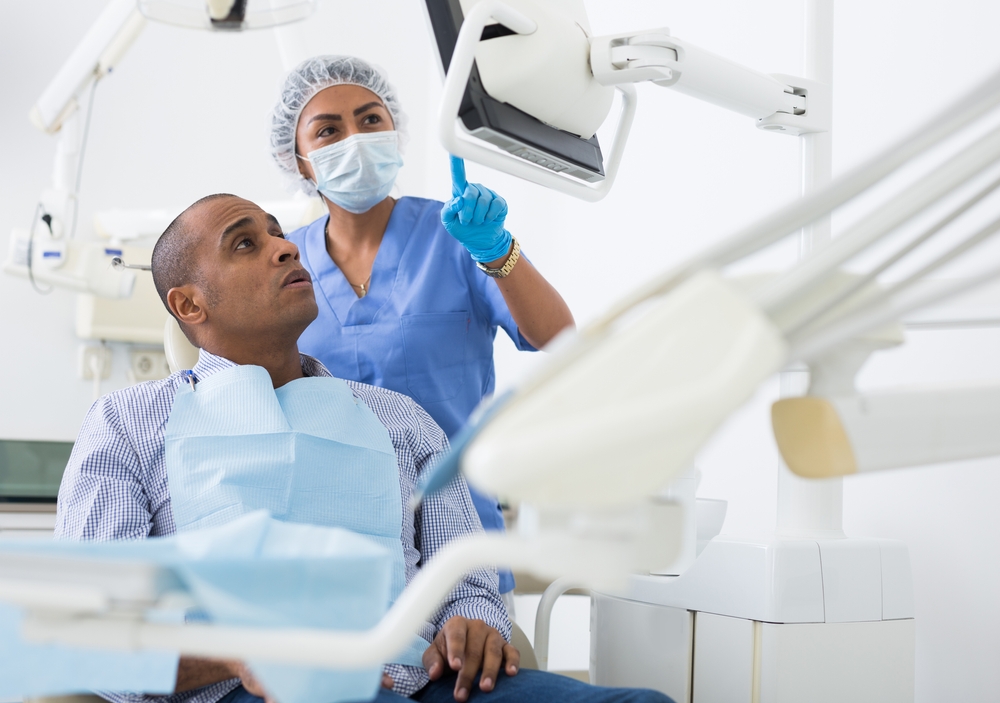
As dentists, we want to provide the best possible experience for all of our patients. Whether they are coming to us for routine care, or they require endodontic, orthodontic or periodontal therapy, our goal is to improve their health while achieving aesthetic and functional outcomes that will last. Among the list of elements we have to consider is how to optimise the recovery and healing process for patients, reducing the pain and discomfort that they experience. For my fellow endodontists or colleagues with an interest in endodontics, this can be a particularly difficult aspect to manage.
Postoperative pain
It has been reported[i] that patients experience pain following a root canal procedure in around 43% of cases. Though the intensity of discomfort lowers with time, it can last for anything from a few hours to a several days. A combination of mechanical, chemical and microbial factors is thought to play a role in peri-radicular inflammation. It has also been suggested that the severity of preoperative pain experienced can influence postoperative pain.
I was interested to come across a recent study[ii] that considered the impact of anaemia on post-endodontic pain. The research found that 82% of anaemic patients reported pain, compared to only 61% among the non-anaemic control (for clarity, ‘pain’ was registered in this study where even the most minor discomfort was felt). It has been postulated that an iron deficiency inhibits the haemoglobin’s ability to transport oxygen to the peripheral tissues, which reduces neuronal function. Anaemia is estimated to affect approximately 30% of the global population, with iron deficiency being the most common cause.[iii] As such, it is likely to affect several of our patients at any given time, making it a necessary consideration for the dental team.
Other factors that may lead to increased postoperative endodontic pain include the tooth being treated – treatment of maxillary molars has been associated with less pain than that of mandibular molars. The presence of acute pulpitis has also been linked with higher post-treatment discomfort for the patient.i
Prevention and management
As is true in any area of dentistry, avoiding complications and preventing sources of postoperative pain where possible are essential. When approaching an endodontic case, this might involve ensuring aseptic conditions throughout, careful instrument selection, biochemical debridement of the root canal space, and using anti-inflammatories or antimicrobial solutions, among other considerations.[iv]
A variety of medications can also be administrated following root canal therapy in order to manage pain and reduce symptoms. It can help to communicate clearly with patients and ensure that they understand the origins of any possible discomfort so that they are prepared to manage their pain at home.[v] Not only can this improve their overall experience of treatment, but it is also likely to have a positive impact on their recovery.
Applicable in all areas
Of course, no matter what area of dentistry you focus on, or what type of treatment your patient seeks, minimising postoperative discomfort is a must. A thorough medical history will highlight any systemic conditions that might impact their dental treatment journey. By combining this with clear communication and well-planned management strategies, you can ensure your patient has the best possible dental experience.

Dr Michael Sultan Bio:
EndoCare, led by Dr Michael Sultan, is one of the UK’s most trusted Specialist Endodontist practices. Through the use of the latest technologies and techniques, the highly-trained team can offer exceptional standards of care – always putting the patient first. What’s more, EndoCare is a dependable referral centre, to which dentists from across the country send their patients for the best in specialist endodontic treatment.
[i] Sadaf D, Ahmad MZ. Factors associated with postoperative pain in endodontic therapy. Int J Biomed Sci. 2014 Dec;10(4):243-7. PMID: 25598754; PMCID: PMC4289697.
[ii] Kazemipoor, M., Moradi, H., Mokhtari, F., & Kheirollahi, K. (2023). Assessing the occurrence and severity of pre- and postendodontic pain in anemic and healthy female patients. Clinical and Experimental Dental Research, 1–7. https://doi.org/10.1002/cre2.799
[iii] National Institute for Health and Care Excellence. Anaemia – iron deficieincy. How common is it? April 2023. https://cks.nice.org.uk/topics/anaemia-iron-deficiency/background-information/prevalence/#:~:text=Iron%20deficiency%20anaemia%20remains%20a,women%20have%20iron%20deficiency%20anaemia. [Accessed October 2023]
[iv] Alanassi BY. Endodontic postoperative pain: eitology and related factors – An update. International Journal of Dental Sciences and Research, 2017, Vol. 5, No. 2, 13-21 DOI:10.12691/ijdsr-5-2-1
[v] Di Spirito F, Scelza G, Fornara R, Giordano F, Rosa D, Amato A. Post-Operative Endodontic Pain Management: An Overview of Systematic Reviews on Post-Operatively Administered Oral Medications and Integrated Evidence-Based Clinical Recommendations. Healthcare (Basel). 2022 Apr 19;10(5):760. doi: 10.3390/healthcare10050760. PMID: 35627897; PMCID: PMC9141195.







