



Taking a hard look at soft tissues
Featured Products Promotional FeaturesPosted by: Dental Design 15th February 2024
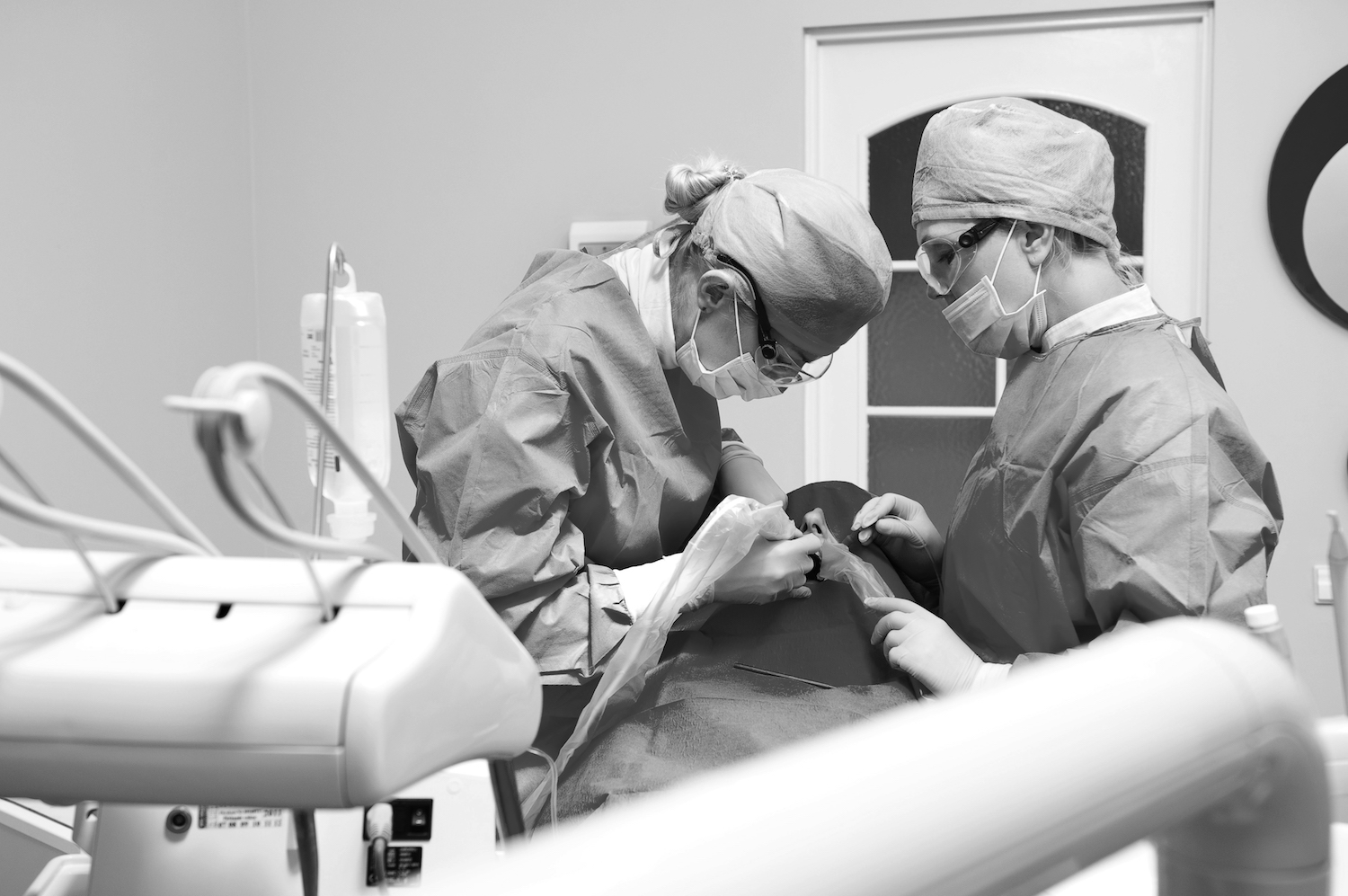
Why peri-implant soft tissues are key to maintaining peri-implant health
More and more patients are looking to restore their smiles with dental implants[i] and have high functional and aesthetic expectations.[ii] And why not? After all, they boast a number of advantages over conventional, fixed partial dentures – a decreased risk of caries and endodontic problems of adjacent teeth for one – and have a high success rate.[iii] However, that success rate is significantly impacted by how well the patient looks after them.[iv]
And while a lot of implant research focuses on the quality and quantity of hard tissue, the importance of peri-implant soft tissues cannot be overlooked.
One of the most common soft tissue complications in implant dentistry is peri-implant mucositis.[v] As you know, this is a reversible inflammatory condition that affects the soft tissues surrounding dental implants. It is characterised by inflammation, bleeding, and swelling of the gingiva. If left untreated, it can progress to peri-implantitis, a more severe condition involving bone loss around the implant. Peri-implant mucositis is primarily caused by plaque accumulation and poor oral hygiene. Regular professional cleaning and patient education on proper oral hygiene are therefore essential to prevent and manage this condition.
Another common soft tissue complication is recession of the peri-implant mucosa.[vi] This refers to the loss or displacement of the soft tissue around the implant, leading to exposed implant threads. Recession can be caused by various factors, including improper implant placement, inadequate bone and soft tissue support, and thin biotype of the patient’s tissue. To prevent or manage recession, proper implant placement, adequate bone and soft tissue grafting, and regular evaluation of the peri-implant tissues are key. In cases of severe recession, soft tissue grafting procedures can sometimes be necessary to restore the lost tissue and achieve more aesthetic outcomes.[vii]
Compromised aesthetics
Soft tissue dehiscence[viii] and fenestration[ix] are also potential complications in implant dentistry. As you are aware, dehiscence refers to the absence or thinning of the soft tissue covering the implant on the buccal aspect, while fenestration refers to the exposure of the implant threads through the thin, overlying soft tissue. These complications can lead to compromised aesthetics and increased risk of complications such as infection and bone loss. Proper implant placement in relation to the surrounding bone and soft tissues, as well as appropriate surgical techniques, can help prevent these complications.
The presence of soft tissue fibrosis, aka scar tissue, can impact the aesthetic outcome of dental implants too.[x]Scar tissue formation can occur due to trauma during surgery, poor blood supply, or excessive tension on the soft tissues. The prevention and management of soft tissue fibrosis involve exact surgical techniques, appropriate suturing and post-operative care to minimise trauma and promote optimal healing.
Early diagnosis
 Infections and abscesses are additional soft tissue complications that can occur in implant dentistry. These complications can arise due to a variety of factors, including the patient’s poor oral hygiene, peri-implantitis, inadequate sterilisation and a patient’s compromised immune response. Early diagnosis and appropriate treatment, such as antibiotics and debridement, are crucial to prevent the spread of infection and minimise potential damage to the surrounding tissues.[xi]
Dental clinicians looking to hone their implant dentistry skills will be interested the courses offered by Straumann®, the Swiss dental implant specialist, which partners with some of the UK’s leading educators and training providers to deliver programmes for clinicians and teams at every stage of their careers. Clinicians keen to understand more about the management of soft tissue complications will be excited to learn of an upcoming Hard and Soft Tissue Masterclass with Rony Jung at The Campbell Academy in Nottingham (11th-12th July 2024). For those interested in the advantages of immediate implant placement, there’s a two-day Full Arch – Immediate Loading & Placement course running at Delta Dental Academy in Bristol (8th-9th December 2023). Full details and booking information are available at Straumanncourses.com.
Soft tissue complications can significantly impact the success and longevity of dental implants. Indeed, their management and prevention are of key importance in modern implant dentistry and influences biologic and aesthetic outcomes. Understanding the causes, prevention, and management of soft tissue complications is crucial to ensure optimal patient well-being. Regular professional cleanings, patient education on oral hygiene, proper implant placement, adequate bone and soft tissue support, and excellent surgical techniques are essential in preventing and managing soft tissue complications in implant dentistry. By addressing any complications promptly and effectively, dental clinicians can ensure the long-term implant success and smile satisfaction of their patients.

For more details, please visit
https://www.straumanncourses.com/
[i] Oral Health Foundation https://www.dentalhealth.org/News/implants-and-veneers-top-list-of-nations-oral-health-questions
[ii] Al-Haj Husain A, De Cicco O, Stadlinger B, Bosshard FA, Schmidt V, Özcan M, Valdec S. A Survey on Attitude, Awareness, and Knowledge of Patients Regarding the Use of Dental Implants at a Swiss University Clinic. Dentistry Journal. 2023; 11(7):165. https://doi.org/10.3390/dj11070165 [Accessed October 2023]
[iii] Gupta R, Gupta N, Weber, DDS KK. Dental Implants. [Updated 2023 Aug 8]. In: StatPearls [Internet]. Treasure Island (FL): StatPearls Publishing; 2023 Jan-. Available from: https://www.ncbi.nlm.nih.gov/books/NBK470448/ [Accessed October 2023]
[iv] Oral Health Foundation https://www.dentalhealth.org/dental-implants
[v] Heitz-Mayfield, LJA, Salvi, GE. Peri-implant mucositis. J Periodontol. 2018; 89(Suppl 1): S257–S266. https://doi.org/10.1002/JPER.16-0488 [Accessed October 2023]
[vi] Baus-Domínguez M, Maza-Solano S, Vázquez-Pachón C, Flores-Cerero M, Torres-Lagares D, Serrera-Figallo M-Á, Macías-García L. Behaviour of the Peri-Implant Soft Tissue with Different Rehabilitation Materials on Implants. Polymers. 2023; 15(15):3321. https://doi.org/10.3390/polym15153321 [Accessed October 2023]
[vii] Kassab MM. Soft tissue grafting to improve implant esthetics. Clin Cosmet Investig Dent. 2010 Sep 17;2:101-7. doi: 10.2147/CCIDEN.S13478. PMID: 23662087; PMCID: PMC3645463. [Accessed October 2023]
[viii] Abbas SEM, ELKhashab MA. Soft Tissue Dehiscence Associated with a Titanium Patient-Specific Implant: A Prosthetic Solution as an Alternative to Soft Tissue Grafting. Case Rep Dent. 2021 Dec 21;2021:5125375. doi: 10.1155/2021/5125375. PMID: 34970459; PMCID: PMC8714330. [Accessed October 2023]
[ix] Rajula MPB, Varatharajan K, Mani R, Krishnakumar S. Gingival Fenestration Management: A Rarefied Case Entity and Literature Review. J Pharm Bioallied Sci. 2020 Aug;12(Suppl 1):S648-S651. doi: 10.4103/jpbs.JPBS_77_20. Epub 2020 Aug 28. PMID: 33149537; PMCID: PMC7595449. [Accessed October 2023]
[x] Shih YH, Wang TH, Shieh TM, Tseng YH. Oral Submucous Fibrosis: A Review on Etiopathogenesis, Diagnosis, and Therapy. Int J Mol Sci. 2019 Jun 16;20(12):2940. doi: 10.3390/ijms20122940. PMID: 31208114; PMCID: PMC6627879. [Accessed October 2023]
[xi] Thoma DS, Gil A, Hämmerle CHF, Jung RE. Management and prevention of soft tissue complications in implant dentistry. Periodontol 2000. 2022 Feb;88(1):116-129. doi: 10.1111/prd.12415. PMID: 35103320; PMCID: PMC9306802. [Accessed October 2023]







