



Clean up your communications lines to prepare for increased private dental demand, says Cymphony
NewsPosted by: Dental Design 21st November 2024
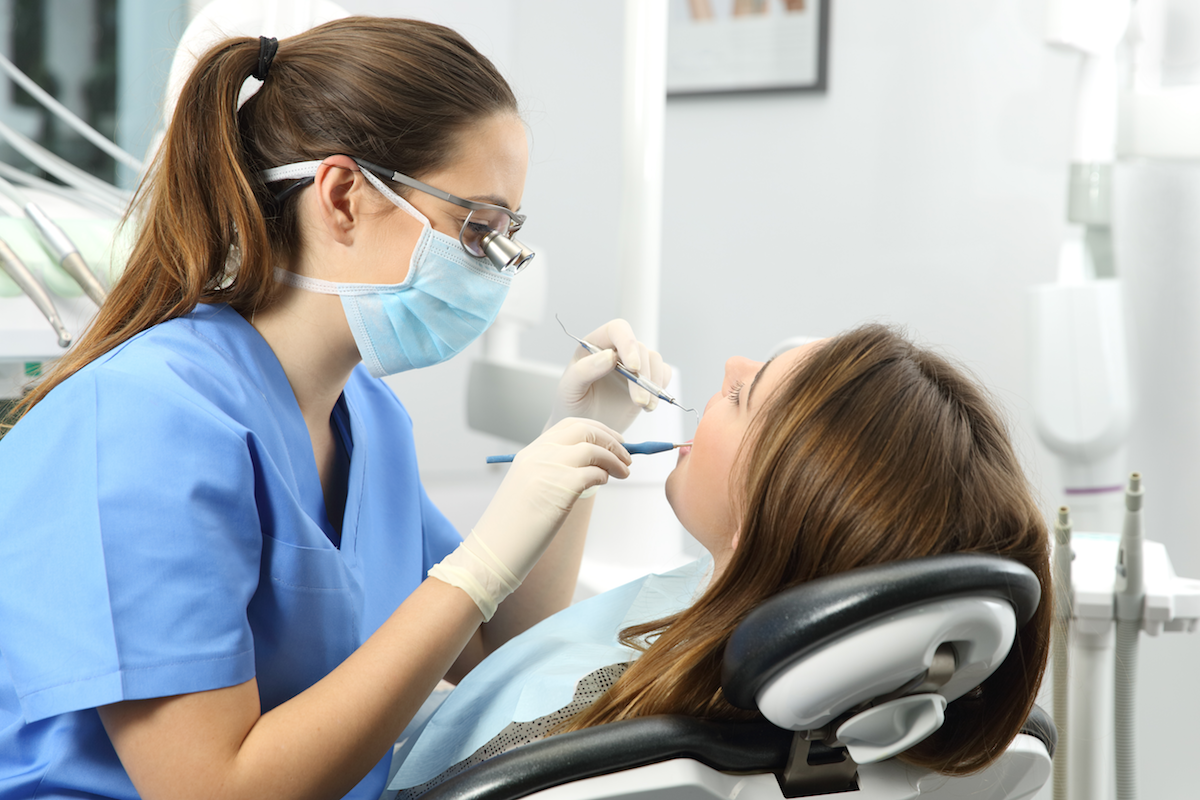
Recent research from Denplan’s Oral Health Survey 2024 has highlighted that more than 6 in 10 (61%) of NHS dental patients would consider paying for private dental care.
The dental payment plan provider surveyed 5,000 British customers, finding the most common reason (39% of surveyed participants) was customers seeking to access dental services faster. A similar number (38%) expressed a lack of access to NHS dental, with a further 34% wanting access to treatments that are not available on the NHS.
In tandem with a recent JRF report revealing a ‘critical shift in public expectations’ surrounding healthcare, there is currently a growing feeling that customers can no longer count on the NHS to provide a universal service that’s free at the point of delivery because some NHS services are now so difficult to access. With more turning to private healthcare options, dentistry businesses need to be prepared for the oncoming customer increase.
Sophie Kynnersley, Transformation Director at Cymphony, a leading healthcare communications provider, believes that dental practices aren’t prepared to handle the influx of patients or their expectations. “Whilst more and more patients are turning away from NHS services, their standards and expectations for premium care only increase when considering private healthcare options. As patients are preparing to pay the extra costs for access to healthcare, they also expect the standards to be worth premium prices.”
“This is where some dental practices are currently failing. Whilst they may have the premium healthcare professionals on standby to accommodate the increase in patients, sadly their communication and administrative lines are lacking by comparison. Healthcare businesses need to understand their infrastructure is just as important to upgrade when it comes to attracting and retaining new healthcare customers.”
Sophie highlights that problems in patient communications arise from simple-to-fix administration issues and a lack of customer service skills. These are issues currently caused by overwhelming office administrators or a lack of trained professionals ready to handle incoming enquiries. “For customers, simplicity is integral and cannot be overlooked when it comes to booking at a new practice. They want to be able to trust that they’ve made the right choice, so a seamless onboarding process is needed from a communications team that can provide that human touch and understanding at every stage. With so much new information being fed to the customer, coupled with the stresses and anxieties they may be experiencing at the time, care is key.”
“For something as personal as teeth – which patients may feel insecure about – it’s important that care is provided in an approachable, customer-friendly way. Patients are already feeling let down by NHS options, so providing a reliable service they can trust is important rather than kicking them while they’re down further. This is especially true for older customers seeking dental treatment; these customers have the money to pay for premium, but also often need efficient and seamless communications to ensure that appointments are met, follow-ups are arranged, and they aren’t left in the lurch dealing with abrasive booking and communications lines.”
Sophie concluded: “When it comes to private dental care in the UK, businesses have a great opportunity for growth as more and more consider options away from the NHS. However, dental practices will fail to capitalise on this growing opportunity if they haven’t considered choosing the right communications to complement their services.
“Dentists need an expert communications provider that knows the need for premium services that the healthcare industry must provide and can also supply it with a customer-friendly approach. In this way, all facets of your dental practice are prepared to leave customers walking away smiling.”







